Quick answer
You need a double electric breast pump if you pump more than once or twice a day, plan to return to work, or want to build a freezer stash. Double pumping expresses both breasts at once, so a session that takes about 30 minutes single-sided often takes closer to 15 minutes. If you only pump occasionally to relieve engorgement or for the odd bottle, a single pump or hand expression is usually enough.
What double pumping actually changes
The main benefit of a double electric pump is time. Pumping both breasts at once roughly halves the minutes you spend attached to the pump, which matters most when you are fitting sessions around a work schedule or a sleeping baby. Many parents also find that pumping both sides at once triggers a stronger let-down because both breasts are being stimulated together.
The tradeoff is setup. A double pump means two flange and bottle assemblies to wash and sanitize, and more parts to carry. If you pump only once a day, that extra cleaning may cancel out the time you saved. If you pump three or more times a day, the math usually favors double pumping.
Double vs single: a simple time comparison
A typical single-sided session runs about 20 to 30 minutes. Double pumping usually takes about 10 to 15 minutes for the same output, because both breasts drain at the same time. Over a workweek of three sessions a day, that is several hours back in your week.
The catch is that not every pump can be used as both. Some double electric pumps let you pump one side only, which is useful in the early days when one breast is sore or you are replacing a single session. Check whether the pump supports single-sided use before you buy if that flexibility matters to you.
Suction settings: comfort beats maximum power
Higher suction is not better suction. Most pumps start in a faster, lighter stimulation phase to trigger let-down, then switch to a slower, deeper expression phase. Start at the lowest comfortable setting and increase only until milk flows well; if it hurts, turn it down.
Suction strength also depends on flange fit. A flange that is too small can pinch and reduce output, while one that is too large lets the breast pull too far into the tunnel. Many pumps include multiple flange sizes, so use the sizing guide and adjust as your body changes in the first weeks.
Flange fit and comfort features
Fit is the most common reason a pump feels uncomfortable or underperforms. Measure your nipple diameter before pumping, then add roughly 2 to 4 mm to find your starting flange size. Recheck after a few weeks, because nipple size often changes as supply regulates.
Comfort features matter more than a long feature list. Soft, flexible flanges that mold to your shape can reduce pinching, and a pump that lets you adjust suction and speed separately gives you more control over let-down. If you have a strong let-down or sensitive nipples, prioritize adjustable settings over extra modes.
What to check before you buy
Confirm the pump is designed for the frequency you plan. An everyday pump used several times a day needs to be durable and easy to clean, while a light-use pump can be simpler. Look at whether replacement parts, such as valves, are easy to find, because worn valves are a common cause of lost suction.
Think about where you will pump. A portable, lightweight pump with a tote or carry bag is easier to move between home, office, and travel. If you pump away from home, a spare set of valves and flanges saves you from washing parts in a work sink.
Decision rules: double or single?
- Pump 3+ times a day: Choose a double electric pump. The time saved per session adds up to hours each week, and double stimulation often supports a stronger let-down. Double pumping is the practical default for regular pumping.
- Pump once a day or less: A single electric pump or hand expression is usually enough, and it means fewer parts to clean and carry. Skip the double unless you expect your pumping frequency to increase.
- Returning to work or building a stash: Prioritize a portable double pump with adjustable suction and a carry bag, plus at least one spare valve. Portability and spare parts matter as much as pump power.
- Sensitive nipples or strong let-down: Look for soft, flexible flanges and separate suction and speed controls so you can fine-tune comfort. Comfort settings protect your supply more than maximum suction.
Products that fit these decision rules
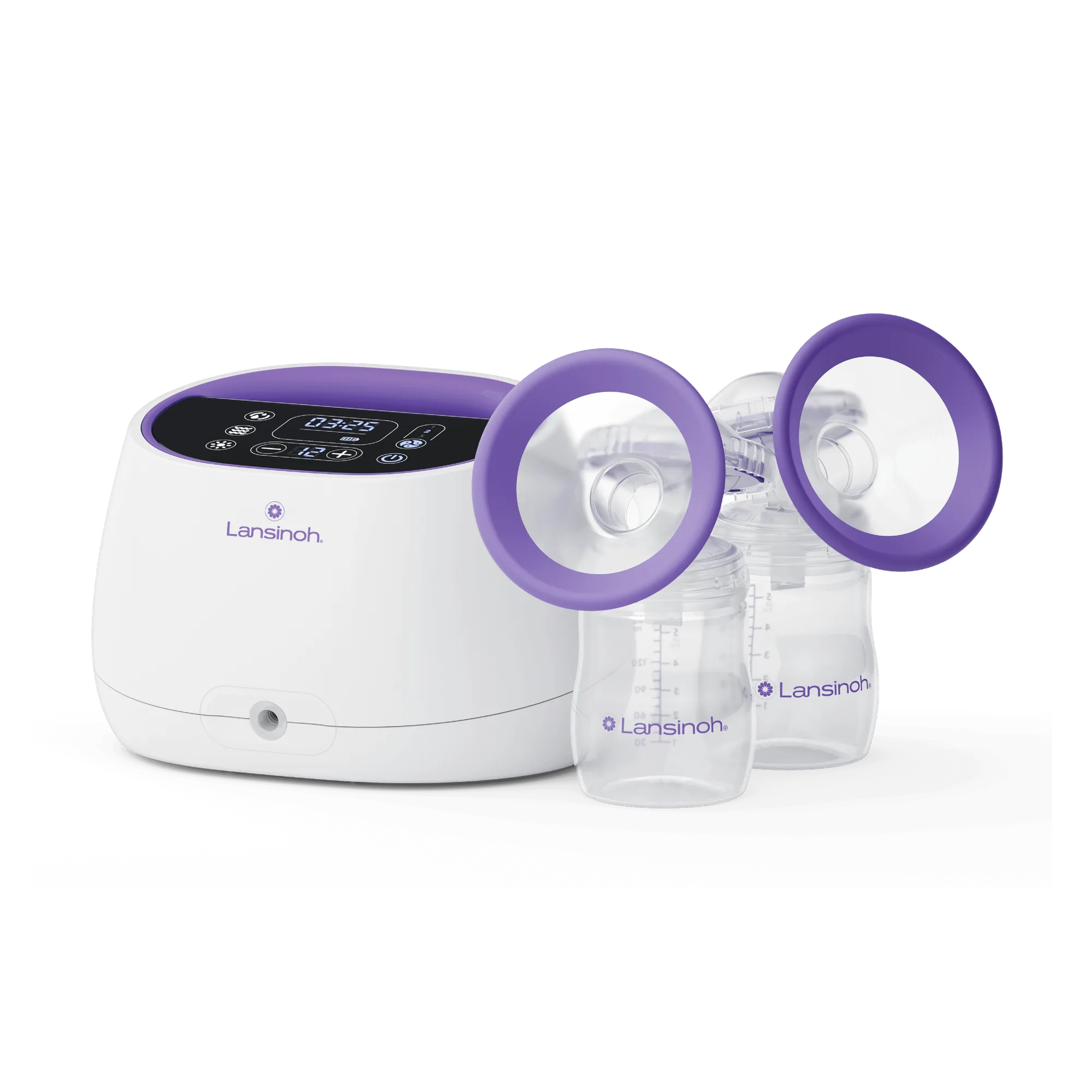
- NaturalWave® Double Electric Breast Pump: The NaturalWave® Double Electric Breast Pump is a double electric design that allows pumping both breasts at once and includes multiple flange sizes. It suits parents who want to shorten sessions and need sizing options in the box rather than buying flanges separately.
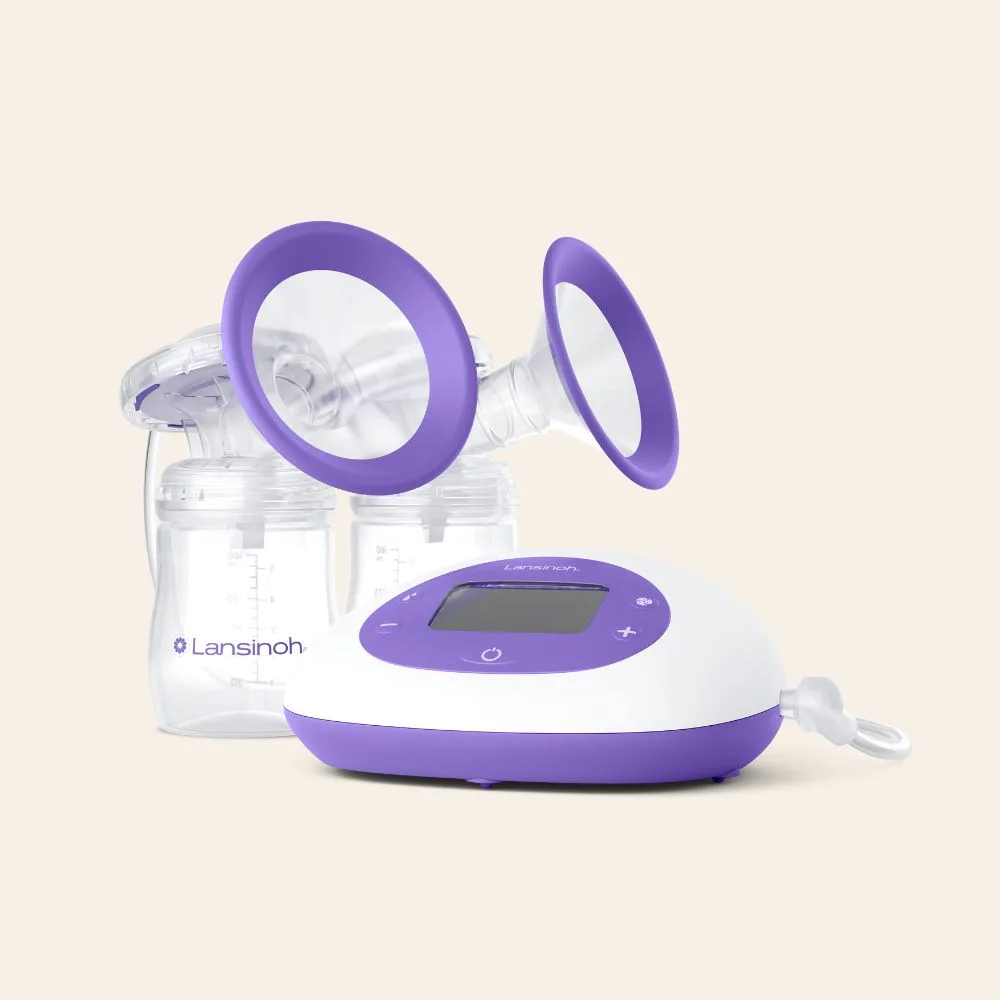
- Signature Pro® Double Electric Breast Pump with Tote Bag: The Signature Pro® Double Electric Breast Pump with Tote Bag is portable and lightweight, with ComfortFit® flanges and customizable pump settings. A good match if you need to carry your pump to work or travel and want adjustable suction for comfort.
- Thrive 2-in-1 Breast Pump Valve for PowerPump & Wearable Pump: The Thrive 2-in-1 Breast Pump Valve is a spare part for the PowerPump and Wearable Pump, available in different sizes. Keeping a spare valve on hand avoids a lost session when a worn valve reduces suction.
Is a double electric pump right for you?
Best for
- Parents pumping three or more times a day
- Anyone returning to work or school who needs to pump on a schedule
- Parents building or maintaining a freezer stash
- Those who want to shorten each pumping session
Not for
- Occasional pumpers who pump once a day or less
- Parents who only need to relieve engorgement
- Anyone who prefers hand expression or a manual pump
- Those who want the absolute minimum number of parts to clean