Quick answer
Yes, organic decaffeinated tea usually still contains a small amount of caffeine, because decaffeination reduces caffeine rather than removing every trace. If you are sensitive to caffeine or drinking late, treat decaf as lower-caffeine rather than caffeine-free, and choose a naturally caffeine-free herb or a decaf option you have tested in the evening.
Where the "caffeine-free" label goes wrong
The confusion comes from treating "decaffeinated" and "caffeine-free" as the same claim. Decaffeination is a reduction process, so a decaf tea can still carry a small residual amount of caffeine. Caffeine-free, by contrast, describes a drink that never contained caffeine in the first place, such as a pure herb or fruit infusion. If your goal is zero caffeine, a decaf tea is the wrong tool; if your goal is a gentler cup, it can work.
How is decaf tea made, and why residue remains
Decaffeination happens before the tea is finished, and different methods use different solvents or processes to pull caffeine from the leaf. Because the process targets caffeine rather than eliminating every molecule, a small fraction can remain. The exact amount varies by leaf, method, and how the tea is brewed, so a precise number cannot be promised from a label alone. That is why the honest answer to "does decaf tea have caffeine" is yes, just less.
Decaf black tea caffeine content in practice
If you are comparing decaf black tea caffeine content with regular black tea, expect the decaf version to sit lower, not at zero. Brewing choices still matter: a longer steep, more leaf, or a hotter pour can extract more of whatever caffeine remains. If you want to keep the cup as gentle as possible, shorten the steep and use less leaf rather than assuming the decaf label does all the work. For a genuinely caffeine-free evening cup, a rooibos or honeybush-style red tea is the more reliable direction.
Is organic decaf tea safe at night?
For most people, a decaf cup in the evening is a reasonable choice, but "safe at night" depends on your own sensitivity, not on the word decaf. If you notice that caffeine affects your sleep, test a decaf tea earlier in the evening first, and keep the steep short. If you are highly sensitive, choose a naturally caffeine-free infusion instead of relying on decaffeination.
Decaffeinated tea myths worth dropping
Two myths cause most of the confusion. The first is that decaf means zero caffeine; it does not. The second is that decaf tea is a lesser tea by default. Neither claim holds up as a blanket rule. What matters is the leaf, the blend, and how you brew it. A well-made organic blend can still deliver a full, satisfying cup even when caffeine has been reduced.
If you want caffeine-free, choose a different leaf
The cleanest way to avoid caffeine at night is to pick a tea that never had it. Herbal and red teas are the practical answer, while decaf tea is the answer when you want the character of a true tea with less caffeine. Knowing which category you are buying keeps you from expecting a decaf blend to behave like a caffeine-free herb.
Verdicts on common decaf claims
- Decaf tea has zero caffeine: False. Decaffeination reduces caffeine; it does not guarantee a caffeine-free cup, and the exact residue depends on the leaf, method, and brew. Verdict: treat decaf as lower-caffeine, not caffeine-free.
- Decaf tea is always safe at night: Not automatically. Sensitivity varies, so test a short-steeped decaf cup earlier in the evening before making it your nightly routine. Verdict: safe for many people, not guaranteed for all.
- You can't get real tea flavor without caffeine: You can. Certified organic blends such as Darjeeling, oolong, and mint green tea still deliver distinct character even when caffeine is reduced or when you choose a naturally caffeine-free herb. Verdict: choose by leaf and brew, not by the decaf label alone.
What the catalog tells you
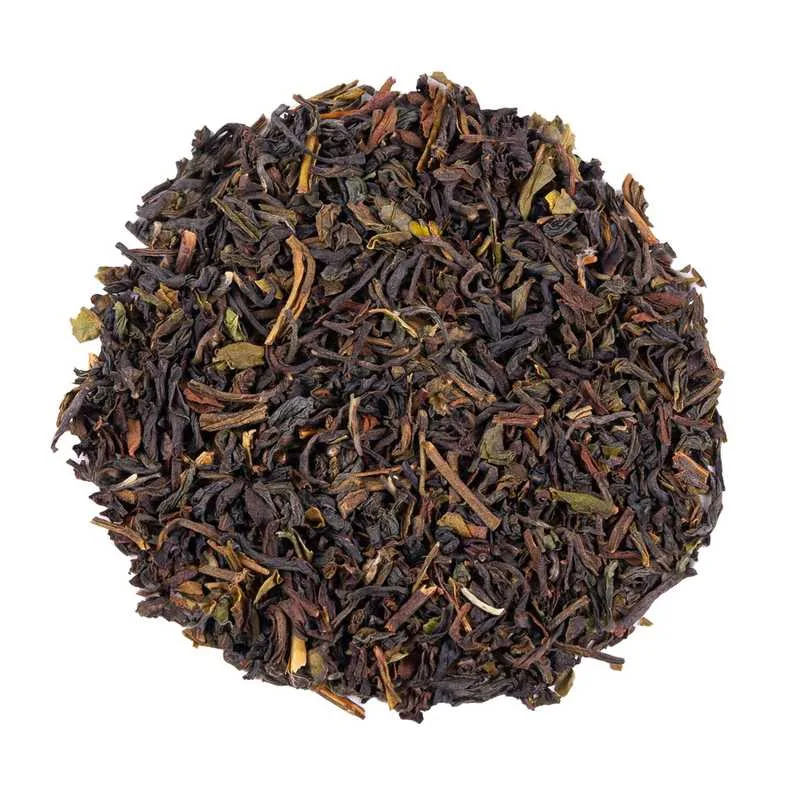
- Organic Darjeeling Loose Leaf tea - FTGFOP 1 Spring Valley: Organic Darjeeling Loose Leaf tea - FTGFOP 1 Spring Valley is a certified organic Darjeeling black tea harvested in the second plucking season, described as gentle on the palate and not too astringent. If you enjoy true black tea character but want to manage caffeine, this is the kind of leaf where brewing shorter and lighter matters more than the label alone.
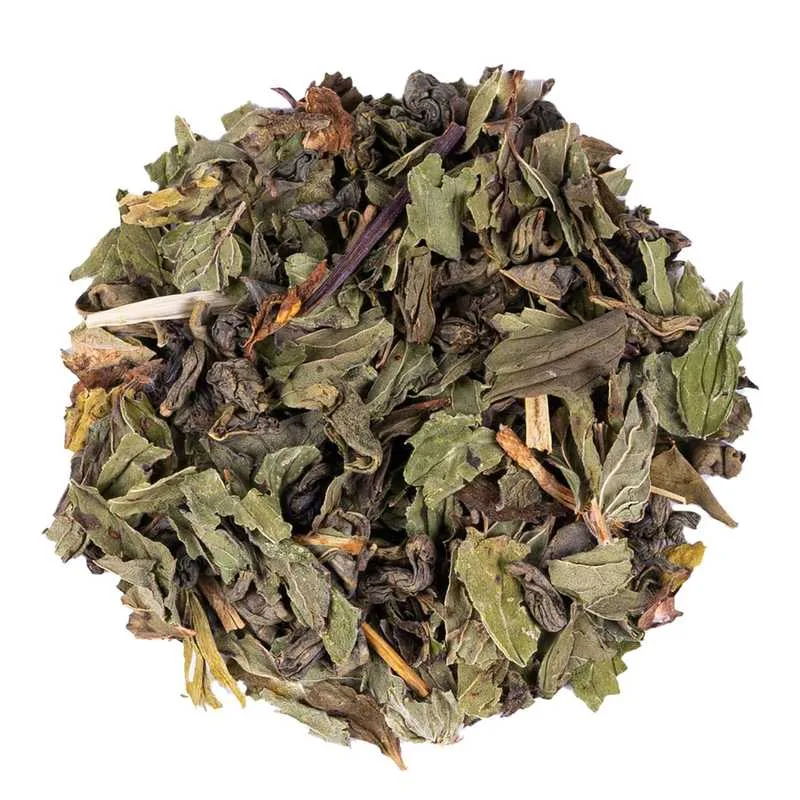
- Organic Marrakesh Mint: Organic Marrakesh Mint combines certified organic China Gunpowder green tea with whole peppermint and natural peppermint flavouring for an intensely fresh, invigorating cup. A mint-forward green blend is a useful daytime or early-evening option when you want flavor without leaning on a decaf claim.
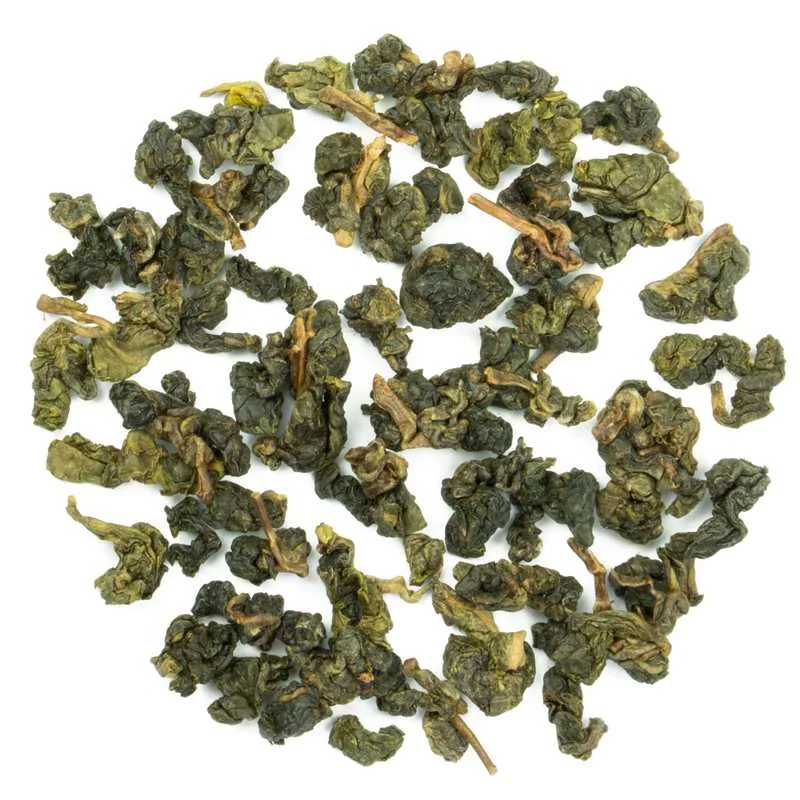
- Organic Halimun Jade Oolong Tea: Organic Halimun Jade Oolong Tea is a certified organic oolong from Gunung Halimun National Park with a sweet, floral taste and a delicate, creamy freshness. Oolong sits between green and black in style, so it is a good choice when you want a gentler cup than a bold black tea but still want real tea flavor.