Quick Answer
Dutch process cocoa powder is alkalized for a milder, darker, and less acidic flavor, while natural cocoa powder is more acidic and lighter in color. Choose Dutch process for recipes that rely on baking powder and a rich, deep chocolate taste.
Why Acidity Matters in Baking
Natural cocoa powder retains its natural acidity (pH around 5-6), which reacts with baking soda to create lift in cookies and cakes. Dutch process cocoa undergoes alkalization, raising the pH to about 7-8, so it does not react with baking soda and requires baking powder for leavening.
Using the wrong type can cause your baked goods to either fall flat or taste soapy. Always check your recipe's leavening agent to decide which cocoa to use.
Color and Flavor Differences
Natural cocoa powder is typically light brown with a sharp, fruity chocolate flavor. Dutch process cocoa is darker, almost reddish-brown, with a smoother, more mellow chocolate taste. The alkalization also reduces bitterness, making Dutch process cocoa ideal for drinks and desserts where a gentle chocolate profile is desired.
Tradeoffs at a Glance
- Leavening Compatibility: Natural cocoa works with baking soda; Dutch process requires baking powder.
- Flavor Profile: Natural cocoa is acidic and fruity; Dutch process is mild, smooth, and less bitter.
- Color: Natural cocoa is lighter brown; Dutch process is darker and more reddish.
Featured Product
-
Premium Dutch Processed Cocoa Powder - 8.81oz: Premium Dutch Processed Cocoa Powder is unsweetened and Dutch processed for exceptional finesse and intense taste. This fine, unsweetened cocoa powder delivers a smooth, deep chocolate flavor that works perfectly in recipes calling for Dutch process cocoa, from hot chocolate to gourmet cakes.
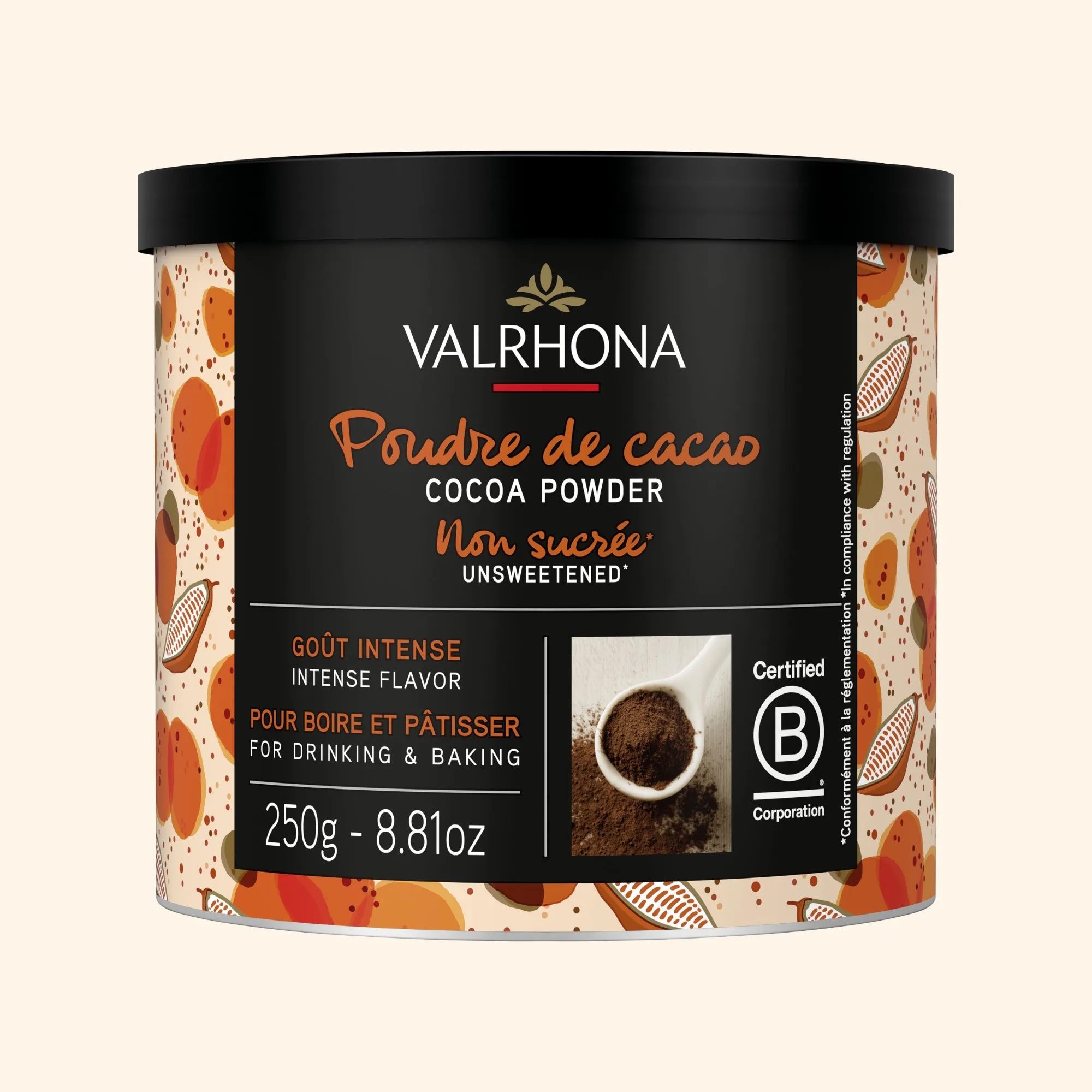
Premium Dutch Processed Cocoa Powder - 8.81oz
Which One Should You Choose?
Best for
- Recipes that use baking powder and need a mild, rich chocolate flavor
- Hot chocolate or desserts where a smooth, non-acidic taste is preferred
Not for
- Recipes that rely on baking soda for lift (e.g., classic American chocolate cake)
- Bakers who want a sharp, fruity chocolate note in their baked goods