Quick answer
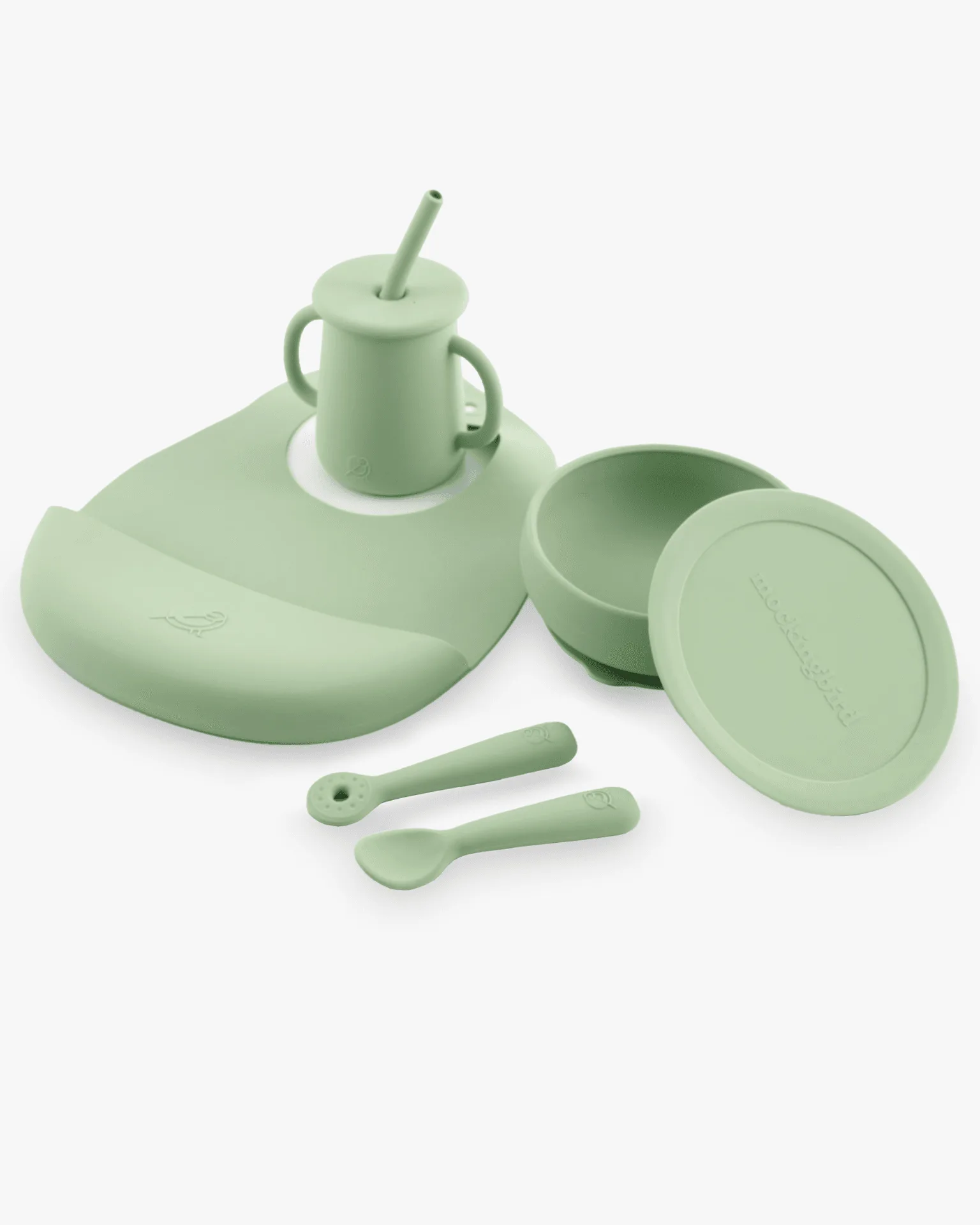
Start solids with one food at a time, use a stable high chair setup, and keep the Early Eaters Dishware Set within reach before your baby sits down. The set is designed for little ones beginning solid foods, so it removes one variable from an already messy milestone. Focus on repeated, low-pressure exposure rather than how much gets eaten.
Set up the high chair before the first bite
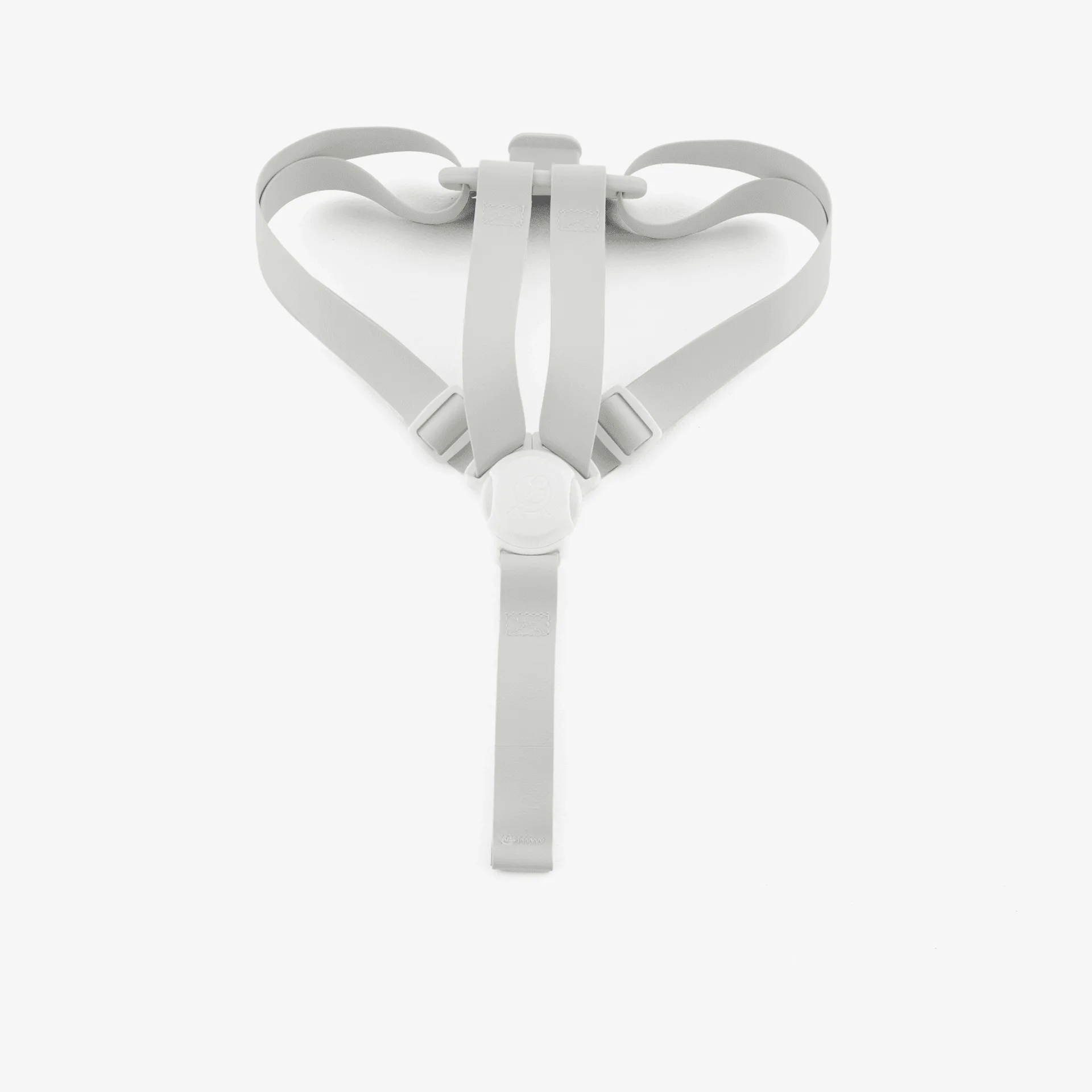
A wobbly or reclined seat makes self-feeding harder and increases gagging risk. Adjust the footrest so feet are flat, bring the tray close to the body, and confirm the harness is snug. If your high chair uses a magnetic buckle, practice clicking it a few times without your baby in the seat so you are not fumbling during a hunger meltdown.
Choose first foods that match the dishware
The Early Eaters Dishware Set is tailored for little ones starting their journey into solid foods, so portions are small and shallow. Begin with soft, smearable textures like mashed avocado, yogurt, or pureed vegetables. As grasp improves, move to soft strips of toast or cooked carrot. The set includes the essentials to help foster safe, independent, and confident eating, but it does not include a spoon for every grip style, so watch how your baby holds what you offer and adjust.
Expect mess and plan for it
Mess is part of learning. Put a splash mat under the chair, keep a damp cloth within arm's reach, and dress your baby in a bib with a catch pocket. Resist wiping their face mid-meal unless they ask; constant wiping can turn mealtime into a struggle. Clean the dishware set according to its care instructions, and check the tray and seat crevices after each use.
Your first month of solids: a step-by-step routine
- Step 1: Pick one calm time of day: Offer solids when your baby is alert but not ravenous, often after a partial milk feed. Set up the Early Eaters Dishware Set and a damp cloth before you sit down. Checkpoint: if your baby turns away or cries, end the session and try again tomorrow.
- Step 2: Serve one new food at a time: Place a small amount in one section of the dishware set. Wait three to five days before introducing another common allergen so you can spot any reaction. Mistake to avoid: mixing several new foods together makes it impossible to identify a trigger.
- Step 3: Let your baby lead the pace: Preload a spoon and hand it to your baby, or place soft pieces on the tray. Expect grabbing, dropping, and smearing. Narrate what they are doing rather than directing it. Checkpoint: if they are still exploring, do not rush to wipe their hands or face.
- Step 4: End on a neutral note: Stop when your baby loses interest, not when the dish is empty. Remove the dishware set, clean hands and face, and move on to the next part of the day. Next step: note any food that caused gagging, a rash, or unusual fussiness and share it with your pediatrician.
Product facts
- Early Eaters Dishware Set: Tailored for little ones starting their journey into solid foods, this set includes all the essentials you'll need to help foster safe, independent, and confident eating. It's the perfect mealtime companion to your Mockingbird High Chair. You can start solids without buying separate bowls, plates, and utensils, and the set is sized for early eaters rather than older toddlers.
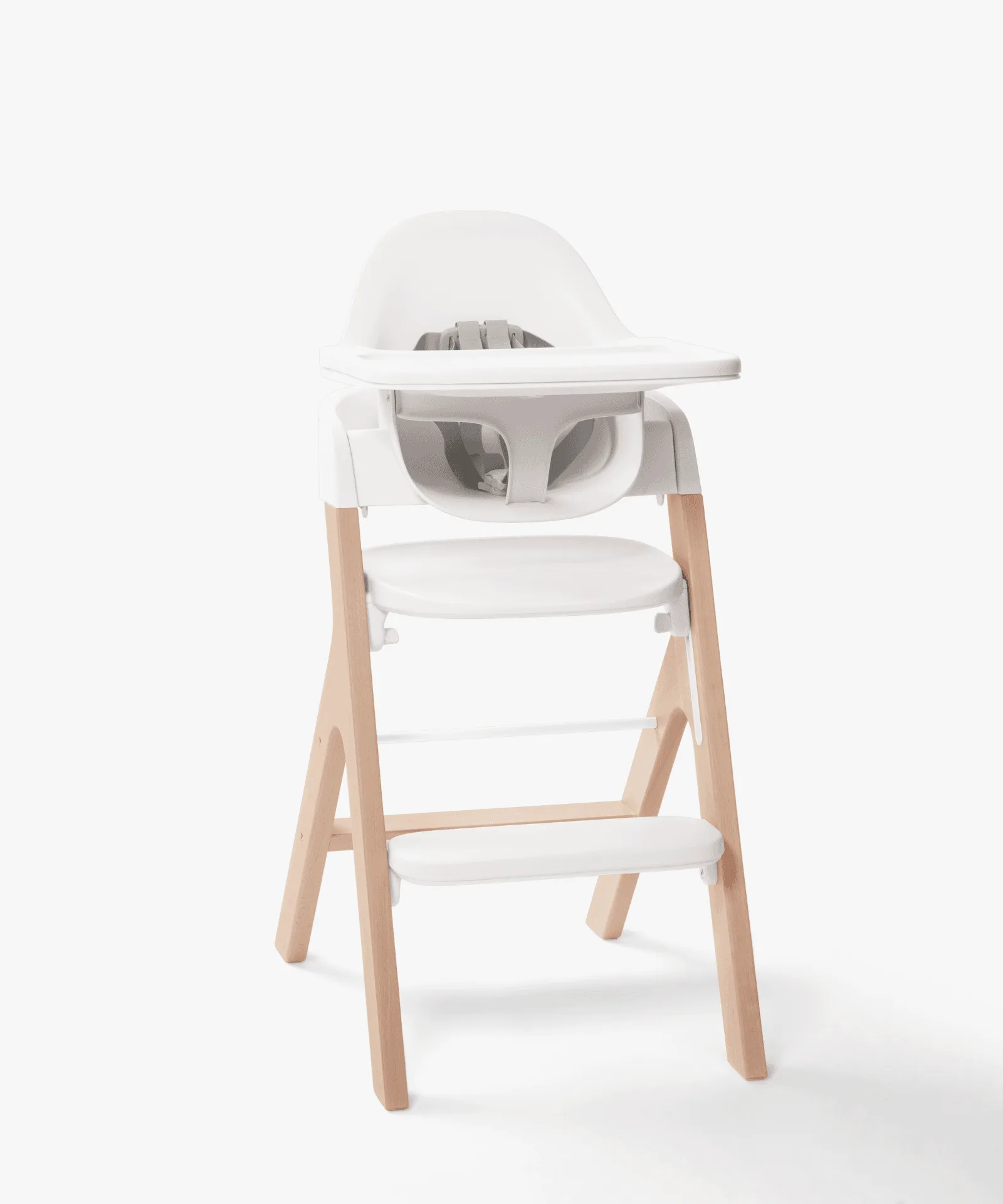
Mockingbird High Chair
- Harness with Magnetic Buckle: Our updated harness design is a game changer for parents, featuring a new magnetic buckle that helps the straps find the buckle, making it effortless to click your little one in and out of the high chair. A faster, one-handed buckle means less wrestling during a hunger cry, and the straps are less likely to twist or get lost under a squirmy baby.