Quick answer
Expandable luggage works through a second zipper that releases a fabric gusset, adding roughly 1 to 2 inches of depth and extra packing space. Use it when you're returning from a trip with more than you brought, or when you need to fit bulky items. Keep it zipped for the outbound flight so your bag stays within carry-on size limits.
You've probably seen a suitcase with two zippers running around its middle and wondered what the second one does. That's the expansion zipper, and it's one of the most useful features on modern luggage. When you unzip it, a hidden fabric gusset unfolds and the bag gets deeper. When you zip it back, the bag returns to its original size.
This expandable luggage guide explains how the mechanism works, how to pack an expandable carry on without overloading it, and when to use expandable luggage versus leaving it compressed. We'll also look at a few real bags that use expansion well, including the VersaPack®+ Carry-On Spinner, so you can see how the feature fits into a real packing routine.
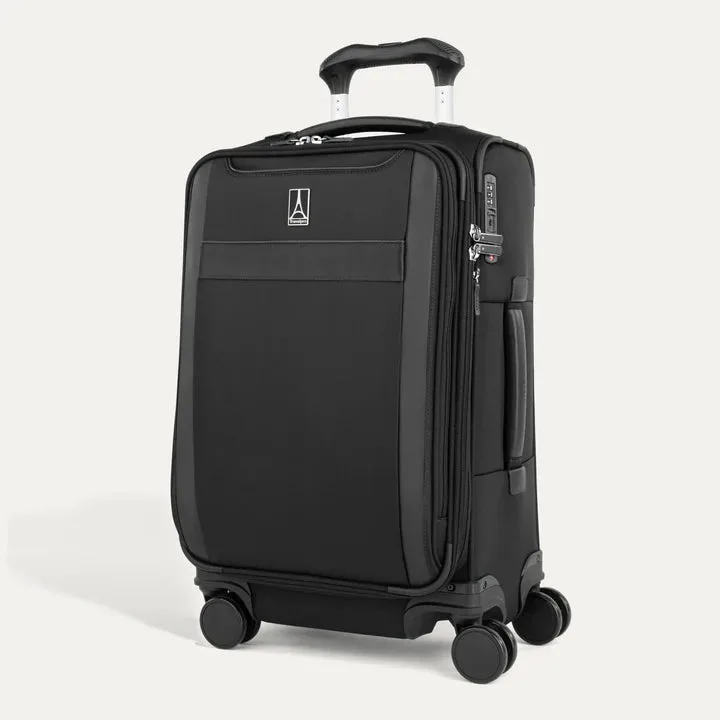
VersaPack®+ Carry-On Spinner
What expandable luggage actually does
Expandable luggage has a zipper that runs around the middle of the bag. When you unzip it, a strip of fabric—called a gusset—unfolds, adding depth. Most expandable suitcases gain about 1 to 2 inches of depth, which translates to a few extra liters of packing space. It's not a second bag; it's a temporary size boost.
The expansion zipper is separate from the main compartment zipper. You can open or close it while the bag is packed, though it's easiest to expand before you start loading. Once expanded, the bag stays that size until you zip the gusset back in. Some bags, like the VersaPack®+ Carry-On Spinner, combine expansion with a removable packing cube organizer and compression system to help you make the most of the extra room.
- Expansion adds depth, not height or width, so it won't help with bags that are already too tall for a sizer bin.
- Check your airline's carry-on size limits before you expand—an expanded bag may no longer fit in the overhead.
How to pack an expandable carry on
Start with the bag compressed. Pack your essentials as you normally would, using packing cubes to keep things organized. If you're using a bag with a removable packing cube organizer, like the VersaPack®+ Carry-On Spinner, load the cube first, then place it in the main compartment. This helps you see exactly how much space you have left.
If you're close to capacity and still have items to pack, unzip the expansion zipper and use the extra depth for bulky items like shoes or a jacket. Don't fill the new space with heavy items—keep weight distribution even. Once you've added everything, use compression straps or the bag's compression system to tighten the load. This reduces shifting and helps the bag keep its shape.
- Pack heavy items near the wheels to keep the bag stable when upright.
- Leave the expansion zipper partially open if you're unsure—you can always close it later.
When to expand (and when to leave it zipped)
Expand your bag when you're returning from a trip with souvenirs, when you've added a layer of clothing, or when you're packing for a destination where you plan to bring back more than you take. It's also useful for trips where you need to carry bulky items like a pair of boots or a gift that doesn't fit flat.
Leave it zipped when you're flying carry-on and want to avoid checking the bag, when you're traveling on a small regional aircraft with tight overhead bins, or when you're trying to keep the bag as light and compact as possible. An expanded bag is more likely to be gate-checked, so if you want to keep it with you, keep it compressed.
- If you expand on the outbound leg, you may need to check the bag on the return if you can't compress it again.
- Some airlines measure bags at the gate; an expanded bag that fit before may not fit now.
Expansion vs. packing cubes: which gives you more space?
Expansion adds physical volume to the bag, while packing cubes organize that volume. They work best together. A bag like the VersaPack®+ Carry-On Spinner includes a removable packing cube organizer and a compression system, so you can maximize interior capacity and keep contents secured. If you're using a bag without built-in organizers, add packing cubes separately to make the most of the space you have.
Keep in mind that expansion doesn't increase the bag's weight limit. If you're flying, check your airline's weight restrictions for carry-on and checked bags. Overpacking an expanded bag can make it heavy and awkward to lift into an overhead bin.
- Use compression packing cubes to shrink clothing volume before you expand the bag.
- Weigh your packed bag at home if you're close to an airline's weight limit.
Step-by-step: using expandable luggage
- Check airline size limits before you pack: Look up the carry-on dimensions for your airline. Measure your bag in both compressed and expanded states. If the expanded depth exceeds the limit, plan to keep it zipped for the flight. Checkpoint: Write down the max depth so you don't have to guess at the gate.
- Start with the bag compressed: Zip the expansion closed. Pack your essentials using packing cubes or the bag's built-in organizer. This shows you exactly how much room you have before you add the expansion. Checkpoint: If everything fits compressed, you may not need to expand at all.
- Expand only when you need the extra depth: Unzip the expansion zipper and use the new space for bulky but light items like shoes, a jacket, or souvenirs. Avoid putting heavy items in the expanded section. Checkpoint: Keep the bag balanced—heavy items near the wheels.
- Compress the load and test the bag: Use compression straps or the bag's compression system to tighten everything. Lift the bag by its handle to check stability. If it feels top-heavy, repack. Checkpoint: A well-packed expanded bag should stand upright without tipping.
- Decide whether to check or carry on: If your expanded bag exceeds carry-on limits, you'll need to check it. If you want to keep it with you, re-zip the expansion and remove non-essentials until it fits. Checkpoint: Weigh the bag if you're close to a weight limit—expansion doesn't change the rules.
Expandable bags worth knowing
- VersaPack®+ Carry-On Spinner: Expandable spinner with a removable packing cube organizer and compression system; sizer bin tested to fit in overhead bins on most major US airlines. The expansion zipper gives you extra space for souvenirs, while the packing cube and compression system help you stay organized and keep the bag within carry-on limits when compressed.
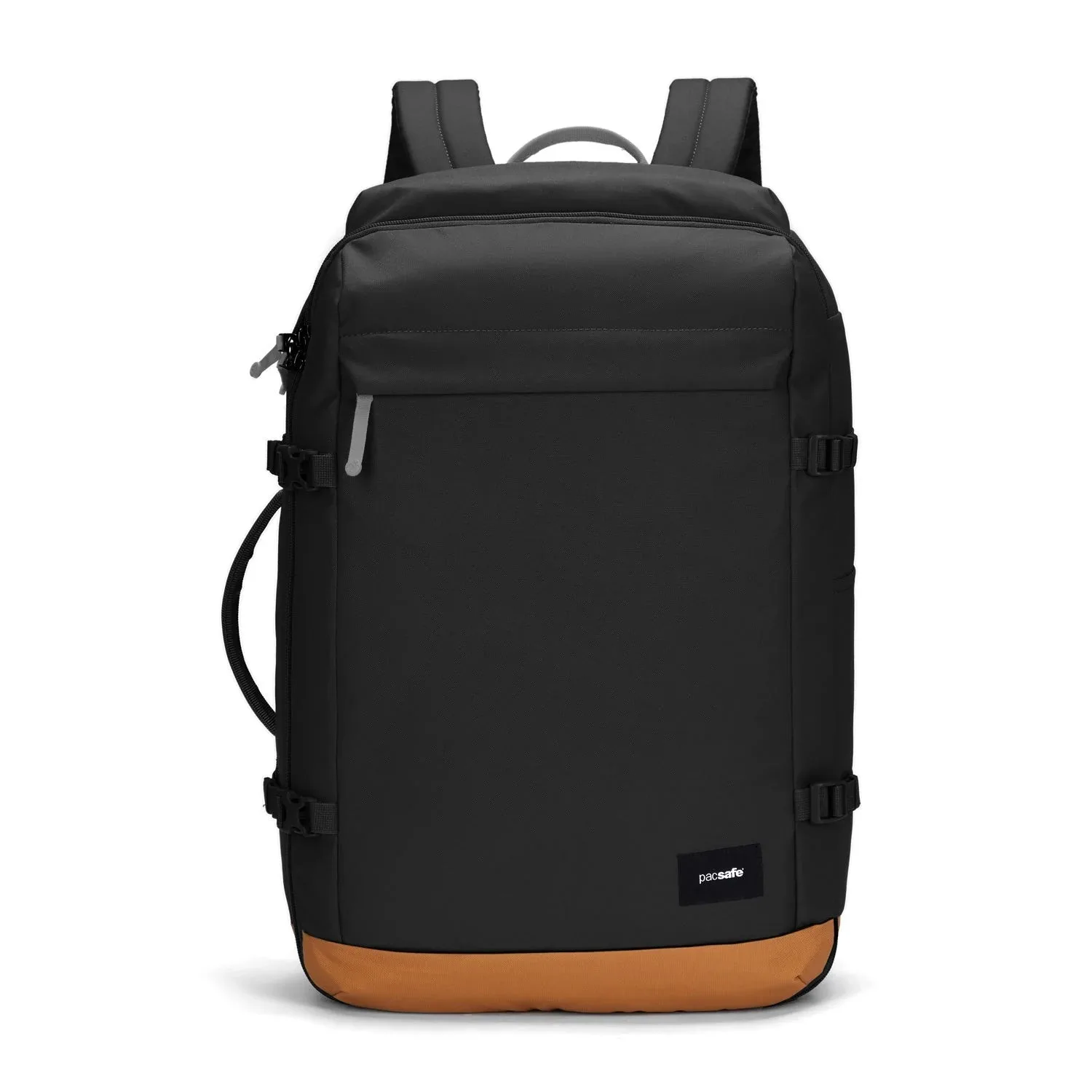
- Pacsafe® Go 44L Carryon Backpack: Soft-sided carry-on backpack with 44L capacity, lockable main compartment that opens like a suitcase, and a secret top compartment with RFID-blocking pocket. If you prefer a backpack to a spinner, this bag offers generous capacity and security features, but it doesn't expand—so you'll need to pack within its fixed 44L limit.
Expandable luggage gives you flexibility without committing to a larger bag. Use the expansion zipper for the return leg or bulky items, but keep it compressed when you need to fit in an overhead bin. With a little planning, you get the best of both sizes.