Quick Answer
Foggy night lenses happen when warm, moist air hits a cooler lens surface. To fix it fast, wipe the lens with a dry microfiber cloth, then apply a thin layer of anti-fog solution or shaving cream as a temporary measure. For a permanent solution, consider lenses with anti-fog coatings or switch to a lens type that minimizes temperature contrast, like those with ventilation or hydrophilic properties.
Why Do Night Lenses Fog Up?
Condensation occurs when there's a temperature difference between your face and the lens. Your body heat warms the air inside your glasses, and when that warm, humid air meets the cooler lens surface, it turns into tiny water droplets. This is more likely at night because the outside temperature drops, making the lens cooler relative to your skin.
Another factor is humidity. If you're in a foggy or rainy environment, the air is already saturated with moisture, making it easier for condensation to form. Even your own breath can trigger fogging, especially if you're wearing a mask or scarf that directs warm air upward.
Immediate Fixes: What to Do When Lenses Fog Up
When you're on the road and your night lenses fog up, safety comes first. Pull over to a safe spot and remove your glasses. Use a clean, dry microfiber cloth to gently wipe both sides of the lens. Avoid using your shirt or tissue, as these can leave lint or scratches.
If you have an anti-fog spray or wipes in your glove compartment, apply a small amount and spread it evenly. Let it dry for a few seconds before putting your glasses back on. This creates a temporary barrier that prevents moisture from beading up.
Long-Term Solutions: How to Stop Fogging for Good
For a more lasting fix, consider applying a commercial anti-fog coating to your lenses. These coatings work by making the lens surface hydrophilic, which means they attract water and spread it into a thin, transparent layer instead of droplets. You can buy anti-fog solutions that you apply weekly, or look for lenses that come with a permanent anti-fog treatment.
Another option is to improve airflow around your eyes. Some frames have adjustable nose pads or vented designs that allow air to circulate, reducing the temperature difference. If you're using clip-on lenses, make sure they fit snugly but not too tightly, leaving a small gap for air to escape.
You can also try a home remedy: rub a small drop of dish soap or shaving cream onto the lens, then wipe it off with a dry cloth. This leaves a microscopic film that acts as a surfactant, preventing fog from forming. Reapply after each cleaning, as it wears off over time.
When to Stop and Choose Another Option
If you've tried anti-fog solutions and improved ventilation but still experience fogging, it might be time to consider different lenses. Some lens technologies are designed to reduce fogging, such as those with hydrophobic coatings or built-in ventilation channels.
Also, think about your driving conditions. If you frequently drive in cold, humid environments, you might benefit from lenses that are less prone to condensation, like those with a warmer tint or a different material. Sometimes the issue isn't the lens but the frame—a frame that sits too close to your face traps heat and moisture.
If fogging persists despite all these measures, consult an eye care professional to check if your prescription or lens fit is contributing to the problem. In rare cases, a poorly fitting frame can cause excessive moisture buildup.
Diagnosis: Is It Fog or Something Else?
- Symptom: Lenses appear hazy or covered with tiny water droplets, especially when entering a warm car from the cold or during humid nights. If the haze clears when you wipe the lens, it's condensation.
- Likely Cause: Temperature difference between your face and the lens, combined with humidity. Your breath can also contribute if it's directed upward. If you notice fogging mainly when you exhale, adjust your mask or scarf.
- Corrective Action: Apply an anti-fog solution or create a DIY surfactant film. Ensure your lenses are clean and dry before application. Improve airflow by adjusting nose pads or choosing a frame with vents. If this resolves the fog, you're good to go.
- When to Stop or Choose Another Option: If fogging persists after multiple applications and ventilation improvements, consider switching to lenses with anti-fog coatings or a different frame design. Also, check if your lenses have scratches or damage that might trap moisture. If the problem continues, it's not just condensation—explore alternative lens technologies or consult a professional.
Lens Options That Help with Fogging
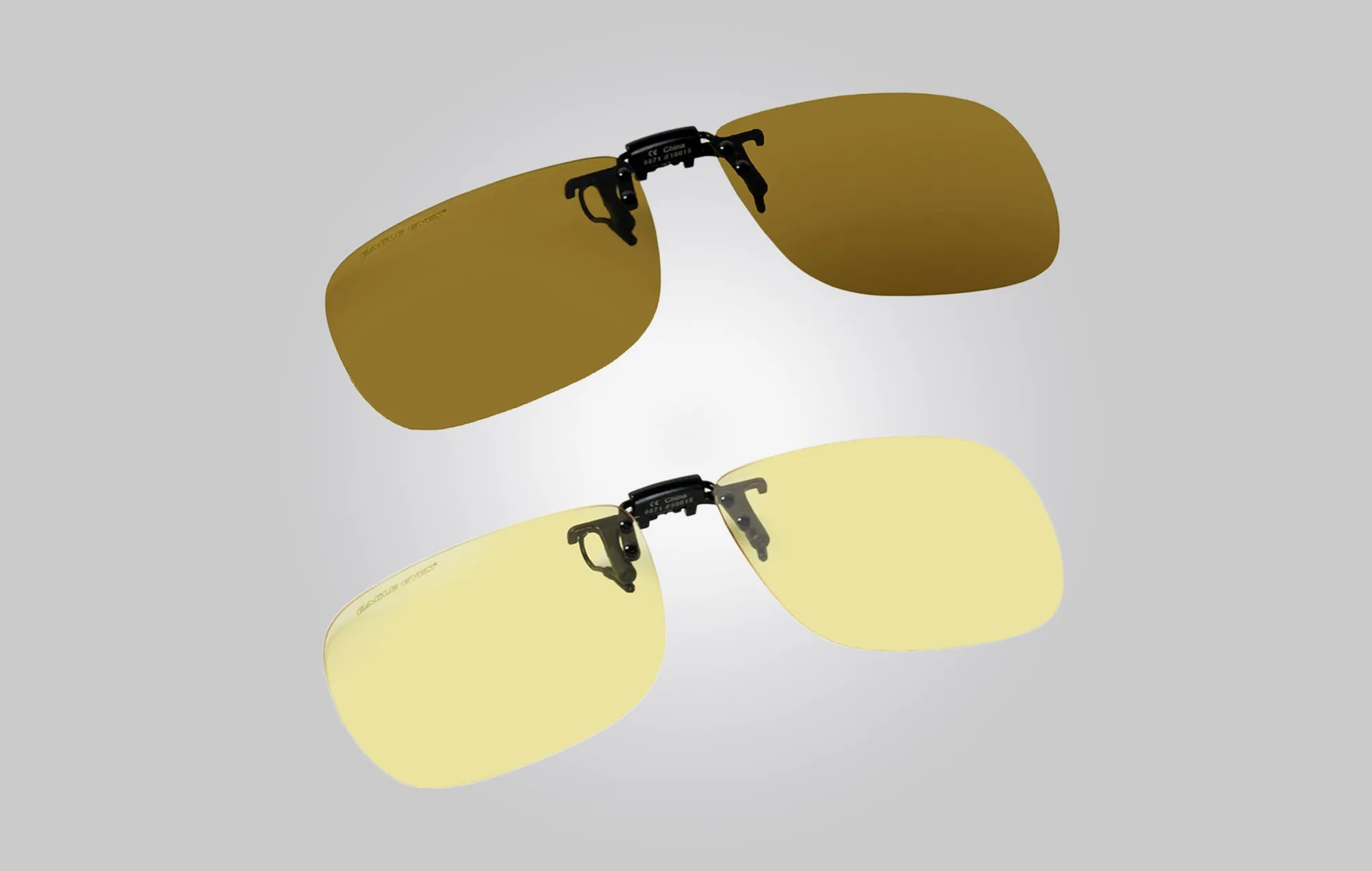
- ClipOn Universal Day & Night Set: The ClipOn Universal Day & Night Set includes two rimless clip-on glasses: one for day and one for night. The night clip-on is designed to enhance clarity in low-light conditions. If you wear prescription glasses, a clip-on night lens can be easily removed and cleaned, and you can apply anti-fog treatments without affecting your main lenses. The rimless design reduces the surface area where fog can accumulate.
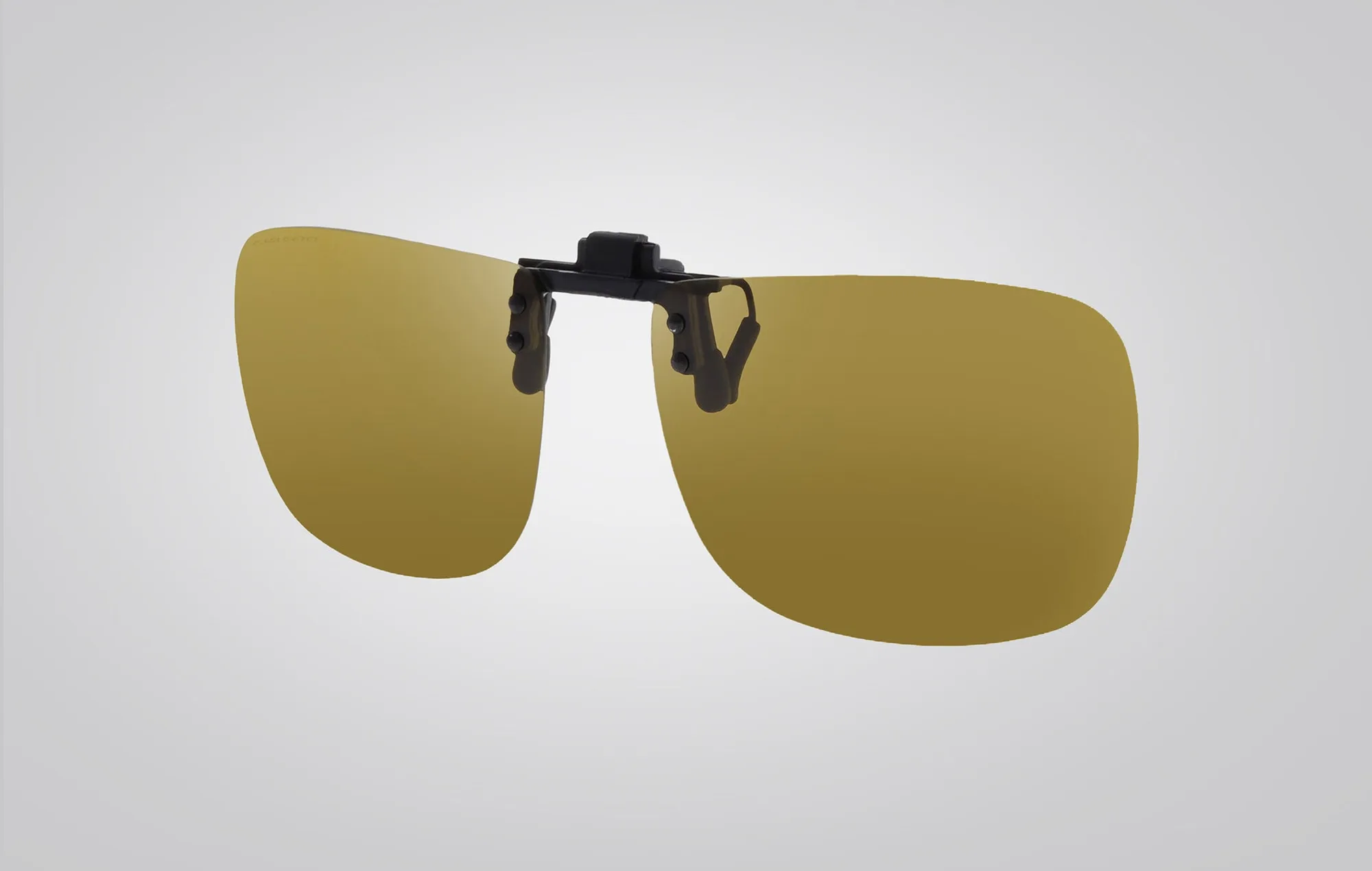
ClipOn Universal
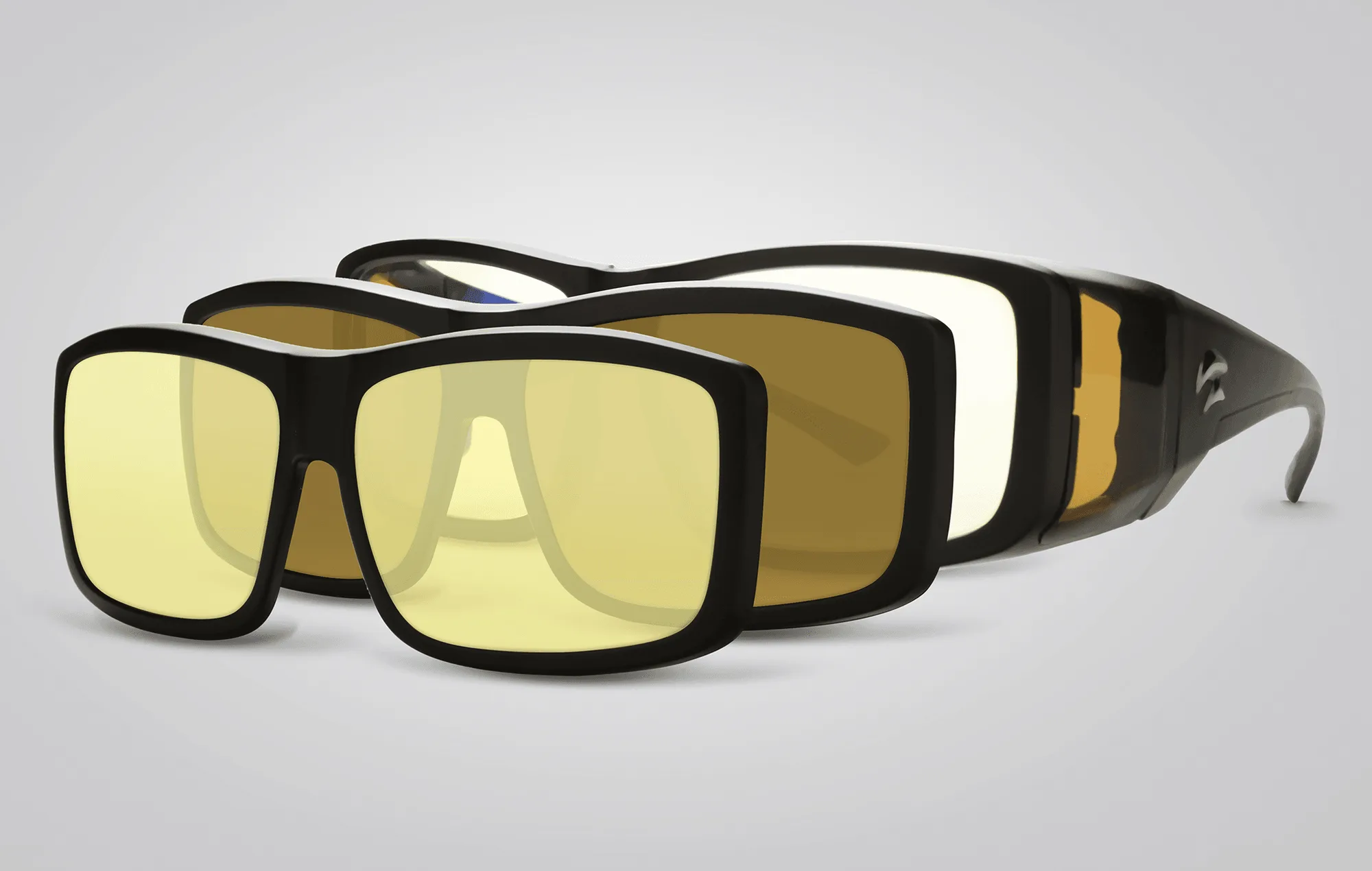
- 3in1 FitOn Full Frame: The 3in1 FitOn Full Frame uses DigiTec® technology in clear lenses that block blue light and UV, and it can be used as a base for prescription glasses. Because the base frame is separate from the prescription lenses, you can treat the base with anti-fog solutions without worrying about damaging your prescription. The full-frame design offers more coverage, which might trap heat—so ensure proper ventilation.
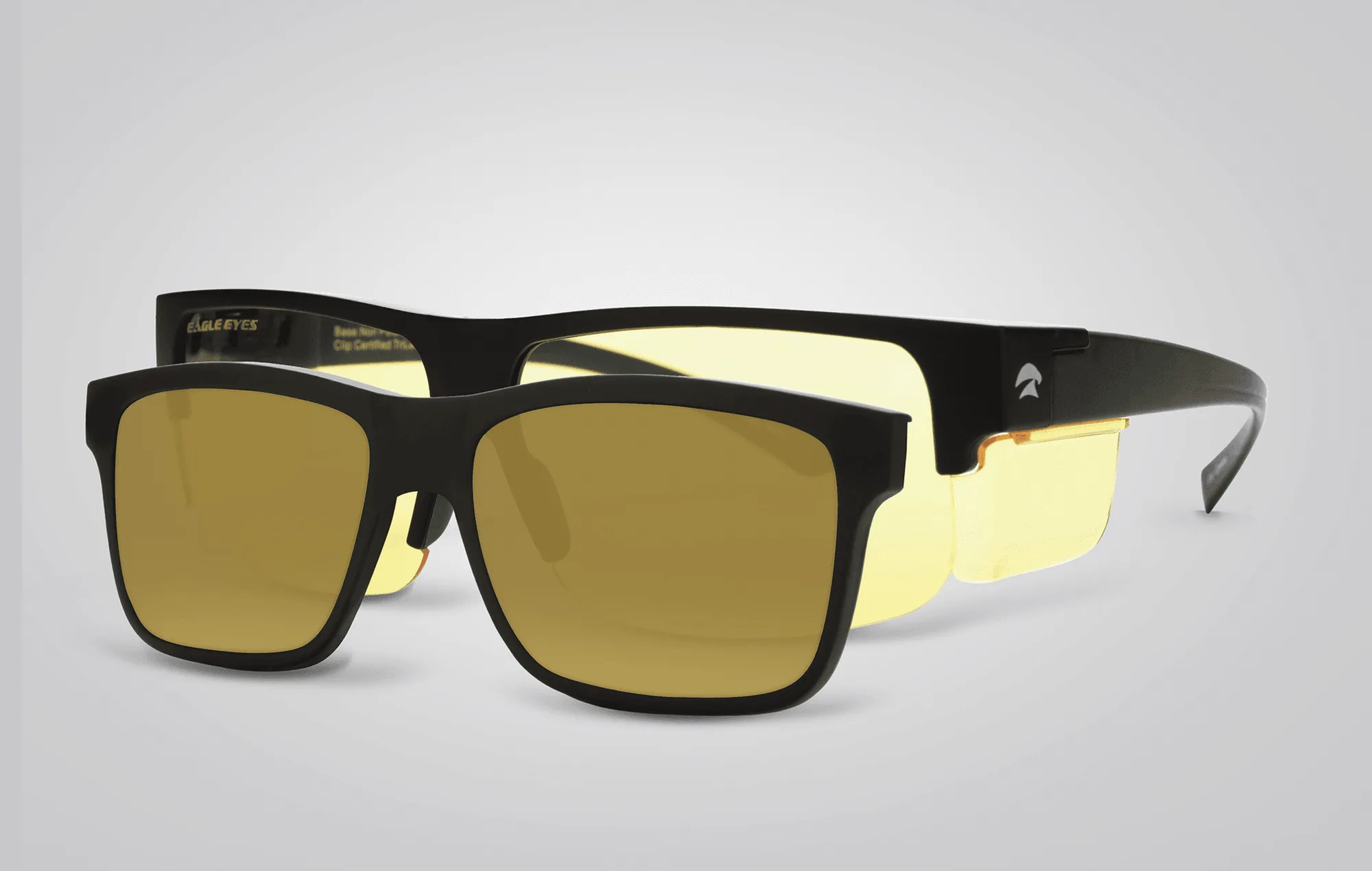
- 2in1 FitOn: The 2in1 FitOn features Night-Lite™ yellow lenses that enhance clarity at night and are non-polarized. Yellow lenses can improve contrast in low light, which might reduce the need to squint and lower the chance of fogging from increased facial heat. However, they don't inherently prevent fog, so combine with anti-fog measures.