Quick answer
Set up your foldable floor table in a low-traffic corner near a wall or under a window. Keep it accessible for daily play, but easy to fold and stow when you need the floor space back.
Why a foldable floor table works in small rooms
A foldable floor table gives toddlers and young children a dedicated activity surface without taking up permanent floor area. When not in use, it collapses into a compact shape that slides behind a door, under a bed, or into a closet. This makes it a practical choice for apartments, shared playrooms, or classrooms where every square foot counts.
The main trade-off is stability. Because the table is lightweight and designed to fold, it can tip if a child leans hard on one edge or climbs on it. You will need to place it on a non-slip mat or against a stable piece of furniture to keep it secure during active play.
Choosing the right spot
Pick a location that is flat, dry, and away from heating vents or radiators. A corner spot gives two sides of support and leaves the table less likely to shift. Avoid placing it in a main walkway where someone might trip over the edges or knock it over.
If you plan to use the table with a sensory mat or play mat underneath, make sure the mat does not bunch up under the legs. A flat, even surface helps the table stay level and prevents wobbling.
How to set up your foldable floor table
- Unfold and lock the legs: Lay the table flat on the floor. Pull each leg outward until it clicks or locks into place. Check that all four legs are fully extended and that the locking mechanism is engaged. A common mistake is leaving a leg partially folded, which makes the table unstable. Test stability by pressing gently on each corner before letting a child use the table.
- Place on a non-slip mat or rug: Put the table on a rubber-backed mat or a low-pile rug that grips the floor. This prevents the table from sliding when a child pushes against it. Avoid placing it directly on a smooth hardwood or tile floor unless you use anti-slip pads under the legs. If the table still slides, add stick-on furniture pads to the bottom of each leg.
- Position against a wall or stable furniture: Slide the table so that two legs touch a wall or the side of a heavy piece of furniture like a bookshelf or sofa. This gives extra lateral support and reduces the chance of tipping. Leave enough room for a child to sit or kneel on the opposite side. Do not push the table flush against the wall if the child needs to sit on that side. Leave at least 12 inches of clearance.
- Store the table when not in use: To store, unlock the legs and fold them flat against the tabletop. Slide the folded table into a designated spot such as a narrow closet, behind a door, or under a low bed. Keep it out of reach of young children to prevent them from unfolding it unsupervised. Label the storage spot so everyone in the household knows where to find and return the table.
Product that fits this setup
-
Kid's Foldable Floor Table: The Kid's Foldable Floor Table folds into a compact item that can be stored anywhere, offering effortless storage and access. This means you can keep the table in a small closet or behind a door when not in use, freeing up floor space for other activities.
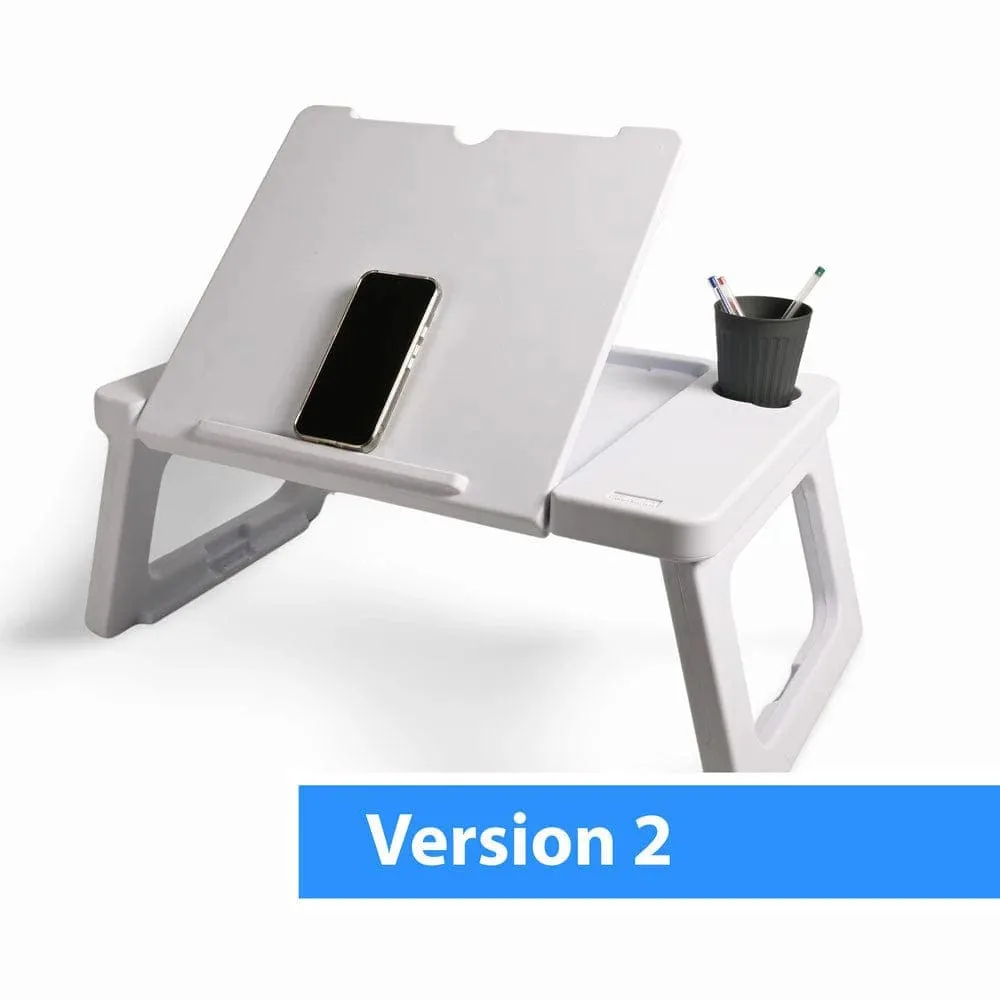
Kid's Foldable Floor Table