Quick Answer
To move from watching magic downloads to performing live, you need a deliberate practice routine that goes beyond technique. Start by mastering one effect, then build a short routine, rehearse with real people, and finally perform in low-pressure settings to build confidence.
move
You've watched the download, learned the secret, and practiced the moves. But when you stand in front of a real audience, your hands sweat and your mind goes blank. This is a common hurdle for magicians who learn from downloads. The gap between knowing a trick and performing it live is where many aspiring magicians get stuck.
moves
This guide will help you bridge that gap. We'll walk through a step-by-step process to transform your downloaded knowledge into a polished live performance. You'll learn how to practice effectively, build a routine, handle real-world distractions, and gain the confidence to entertain any audience.
Why Downloads Are Only the First Step
Magic downloads are excellent for learning the method and basic handling of a trick. They offer close-up views, clear explanations, and often include tips from the creator. However, they rarely teach you how to perform for a live audience. Performance involves timing, misdirection, audience interaction, and adapting to unexpected situations—skills that come from practice and real-world experience.
Think of a download as a recipe. It gives you the ingredients and steps, but you still need to cook the dish and adjust the seasoning to taste. Similarly, you must take the trick and make it your own. This means practicing until the mechanics are second nature, then layering on your personality and presentation.
- Don't just learn the secret; learn the why behind each move.
- Watch the performance multiple times, not just the explanation.
Building a Practice Routine That Works
Effective practice is more than repeating the moves. It's about deliberate, focused repetition with specific goals. Break the trick into smaller segments and practice each until it's smooth. Use a mirror to check angles and your hand positions. Record yourself on your phone to spot flaws you might miss in the moment.
Set a regular practice schedule. Even 15 minutes a day is better than a two-hour session once a week. Consistency builds muscle memory and confidence. Also, practice in front of a camera as if it were a live audience. This helps you get used to performing under 'pressure' and allows you to review your presentation.
- Use a mirror to check angles and your hand positions.
- Record yourself to spot flaws you might miss in the moment.
Step-by-Step Transition Plan
- Master One Effect: Choose a single effect from a download that you love and that fits your style. Practice the mechanics until you can perform them without thinking. This is your 'go-to' trick that you can perform in any situation. Checkpoint: Can you perform the trick without looking at the instructions or thinking about the next move? If not, keep practicing.
- Create a Mini Routine: Build a 3-5 minute routine around that one effect. Add an introduction, a story, or a reason for performing it. Plan your opening line and your closing line. This structure will help you feel more in control. Checkpoint: Rehearse your routine out loud, including your script, until it flows naturally. Avoid sounding rehearsed.
- Practice with Real People: Perform your routine for friends, family, or a small group of colleagues. Start with people you trust. Pay attention to their reactions and any questions they ask. This will help you learn to handle interruptions and adjust your pace. Checkpoint: After each performance, ask for honest feedback. What did they enjoy? What was confusing? Use this to refine your presentation.
- Perform in Low-Pressure Settings: Look for open mics, family gatherings, or casual meetups where you can perform. These settings are more forgiving than a formal stage. The goal is to get comfortable with real audiences and unexpected variables. Checkpoint: Did you enjoy the performance? Did the audience engage? Even if it wasn't perfect, you've taken a crucial step.
- Evaluate and Refine: After each performance, take time to reflect. What worked? What didn't? Record your performances if possible. Make small adjustments to your script, timing, or handling. This continuous improvement is key to growing as a performer. Checkpoint: Are you more confident than your first performance? Keep refining until the effect becomes a polished piece of your repertoire.
Downloads That Help You Bridge the Gap
- Three Fly: The Three Fly may be one of the first routines every magician learns with a set of coins. But when it's taught by a true coin magic legend, there is something everyone can learn. From his subtle touches and incredible smoothness, Eric Jones will have your Three Fly looking like a true silver miracle. This download teaches not just the moves but the smoothness and subtle touches that make coin magic look natural and impressive—exactly what you need when transitioning to live performance.
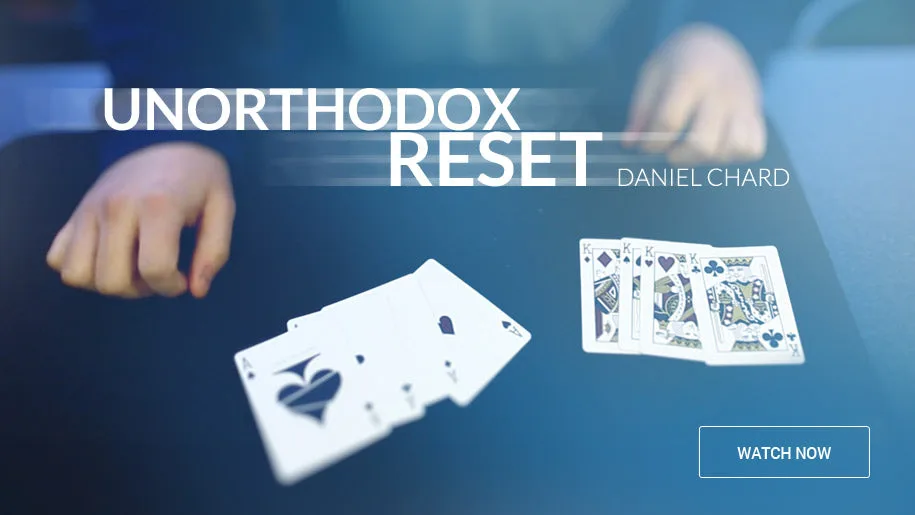
- Unorthodox Reset: A card by card transposition based on Paul Harris’s classic ‘Reset’, Daniel Chard’s Unorthodox Reset transforms four Kings into Four Aces - and back - under seemingly impossible conditions. This effect is visually striking and can be a showstopper in a live routine. Learning it from a download gives you a solid foundation, but you'll need to practice the choreography to make the transformations look effortless.
Transitioning from learning magic via downloads to performing live is a journey that requires patience, practice, and a willingness to step out of your comfort zone. By following these steps, you'll not only master the mechanics but also develop the showmanship and confidence that make magic truly magical. Remember, every professional performer was once a beginner who decided to take that first step.