Quick answer
For most hunters, a glassing pad that is 0.5 to 1 inch thick with a tapered or contoured shape offers the best balance of cushioning and packability. Thicker pads help on rocky or frozen ground, while a shape that matches how you sit or kneel reduces pressure points behind binoculars. If you glass for hours, prioritize shape and thickness over ultralight specs.
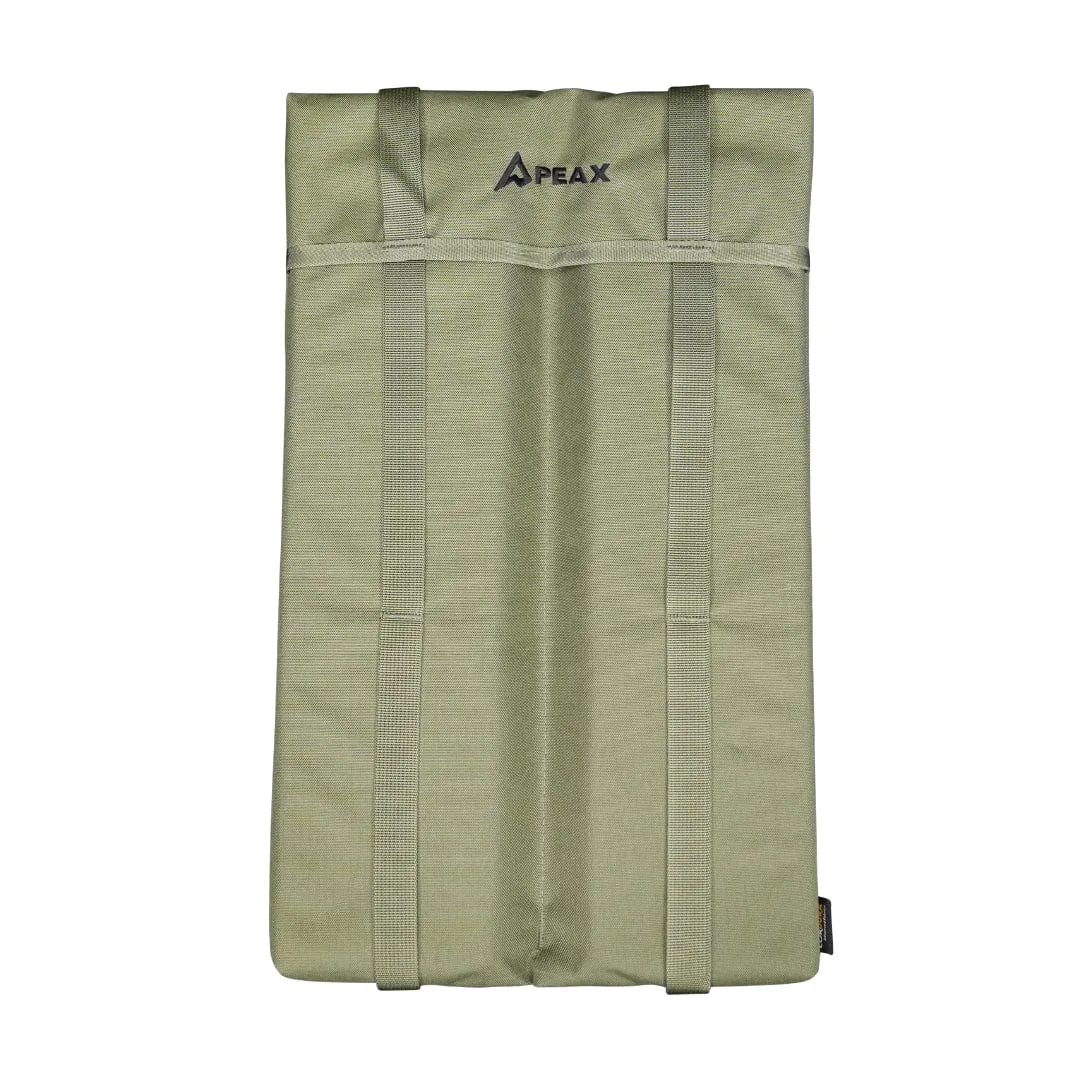
glassing pad
Long glassing sessions are hard on your body. A pad that is too thin or the wrong shape can make your knees, hips, or back ache, which shortens the time you spend behind binoculars. The right pad keeps you comfortable so you can stay still and focused.
This guide explains how glassing pad thickness and shape affect binocular glassing comfort. You will get concrete decision rules for choosing a hunting glassing pad based on your terrain, glassing style, and how much weight you are willing to carry.
Why thickness matters more than you think
Thickness determines how much ground pressure reaches your body. A thin pad transmits every rock and root, while a thicker pad spreads your weight and cushions pressure points. For sitting or kneeling behind a tripod, even a quarter inch of extra foam can make a noticeable difference after an hour.
But thickness adds bulk and weight. A pad that is too thick can feel unstable on steep slopes or make it harder to shift positions quietly. The goal is not maximum thickness; it is enough cushioning for your terrain and body without carrying unnecessary foam.
- If you glass on rocky ground or in cold weather, lean toward 0.75 to 1 inch of closed-cell foam.
- If you mostly glass from soft ground or move constantly, a 0.5-inch pad may be enough.
- Test your pad at home: kneel on it for 10 minutes. If you feel pressure points, it is too thin for your style.
Shape: how it changes comfort behind binoculars
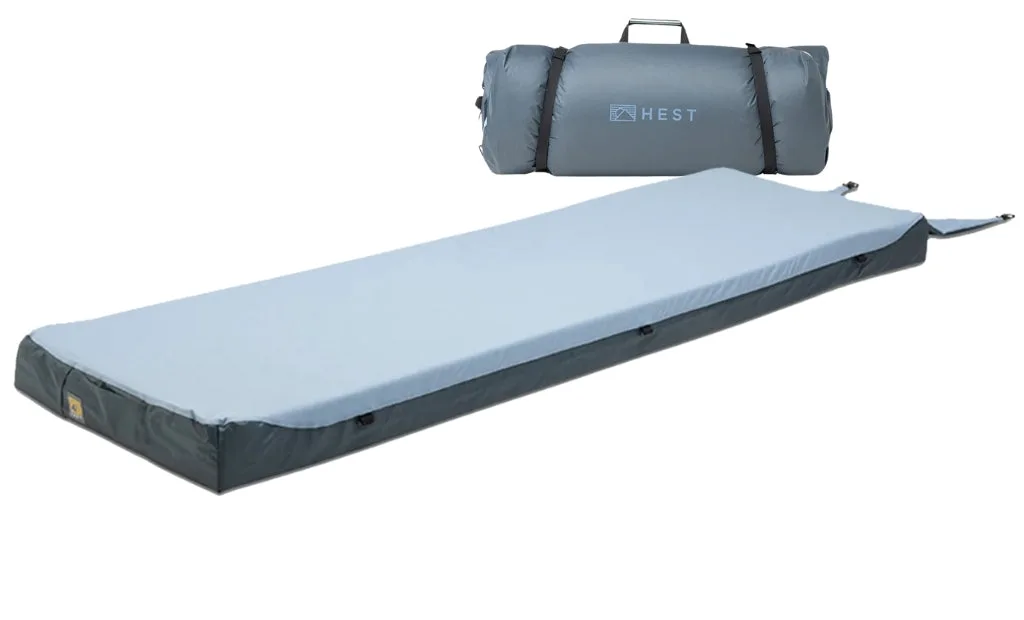
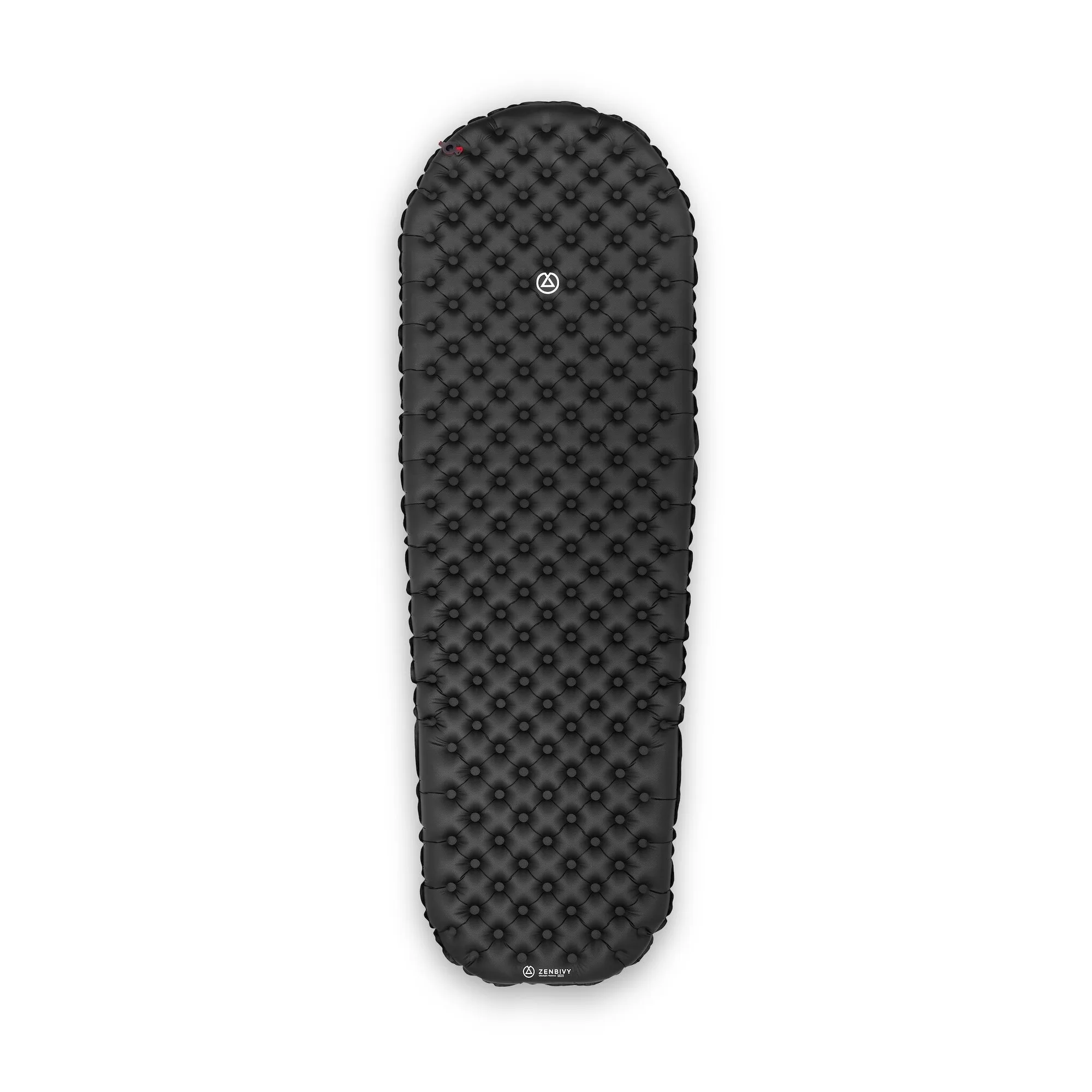
Shape affects where the pad contacts your body. A rectangular pad works for sitting, but it can bunch behind your knees when you kneel. A tapered or contoured pad follows your body better and reduces hot spots, especially during long glassing sessions.
Some pads are designed with a wider front for kneeling and a narrower rear for sitting. Others are simple rectangles that fold. The best shape depends on whether you mostly sit, kneel, or alternate. If you use a spotting scope pad, a shape that supports your elbows can also help stabilize your view.
- Sitting glassers: look for a pad with a slight contour or a wider seat area.
- Kneelers: a tapered pad that narrows toward the back reduces pressure behind the knees.
- Alternators: a folding pad with a hinge or a simple rectangular pad gives you flexibility.
Materials and construction: what to look for
Closed-cell foam is the standard for hunting glassing pads because it does not absorb water and resists compression. Open-cell foam is softer but soaks up moisture and loses loft over time. For backcountry use, closed-cell wins.
A durable outer shell matters too. Look for a fabric that resists abrasion from rocks and brush. If the pad has a coating or laminate, it should stay flexible in cold weather. Avoid pads with exposed foam edges that can crumble or catch on gear.
- Closed-cell foam: waterproof, durable, and firm enough for support.
- Abrasion-resistant shell: extends pad life on rocky ground.
- Check the edges: bound or welded edges last longer than raw foam.
How to match pad thickness and shape to your hunt
Your hunt style dictates the best combination. Day hunts with lots of walking favor a thin, compact pad. Late-season sits in cold, rocky terrain justify a thicker pad. If you pack in and base camp, you can afford more bulk. If you spike out, every ounce counts.
Think about how you glass. If you sit behind a tripod for hours, a thicker pad with a contoured shape keeps you comfortable. If you stalk and glass briefly, a simple thin pad may be all you need. There is no single best pad; there is only the pad that fits your terrain and patience for weight.
- Backpack hunts: prioritize packability and weight; 0.5 inch is often enough.
- Truck or base camp hunts: a 1-inch pad with a comfortable shape is worth the bulk.
- Cold weather: thicker foam insulates you from frozen ground better than thin foam.
Integrating your pad with the rest of your glassing setup
Your pad works with your optics and support system. A stable tripod or shooting sticks lets you glass longer, and a comfortable pad lets you stay in position. If you use trekking poles for stability, a pad that does not slide on slick surfaces helps you stay planted.
For long-range glassing, consider how your pad interacts with your spotting scope or binoculars. A pad that raises you slightly can change your angle behind the glass. Sometimes a thinner pad plus a sitting pad on top gives you more adjustability than one thick pad.
- Pair your pad with a tripod or shooting sticks for maximum stability.
- If you use trekking poles, choose a pad with a textured bottom to prevent sliding.
- Test your full setup before the hunt: pad, optics, and support together.
Decision rules for choosing a glassing pad
- Thickness rule: Choose 0.5 inch for soft ground and ultralight hunts; 0.75 to 1 inch for rocky, frozen, or long-sit scenarios. If you glass more than an hour at a time, err on the thicker side.
- Shape rule: Sitting: contoured or wider seat. Kneeling: tapered to reduce pressure behind knees. Alternating: folding rectangle for versatility. Match shape to your most common glassing posture.
- Material rule: Closed-cell foam with an abrasion-resistant shell is the most durable and weatherproof choice for backcountry use. Avoid open-cell foam that soaks up water and compresses over time.
- Weight rule: Every ounce counts on backpack hunts. If you can't justify the weight, go thinner and add a sit pad only when needed. Packability often beats plushness when you are miles in.
PEAX gear that supports your glassing setup
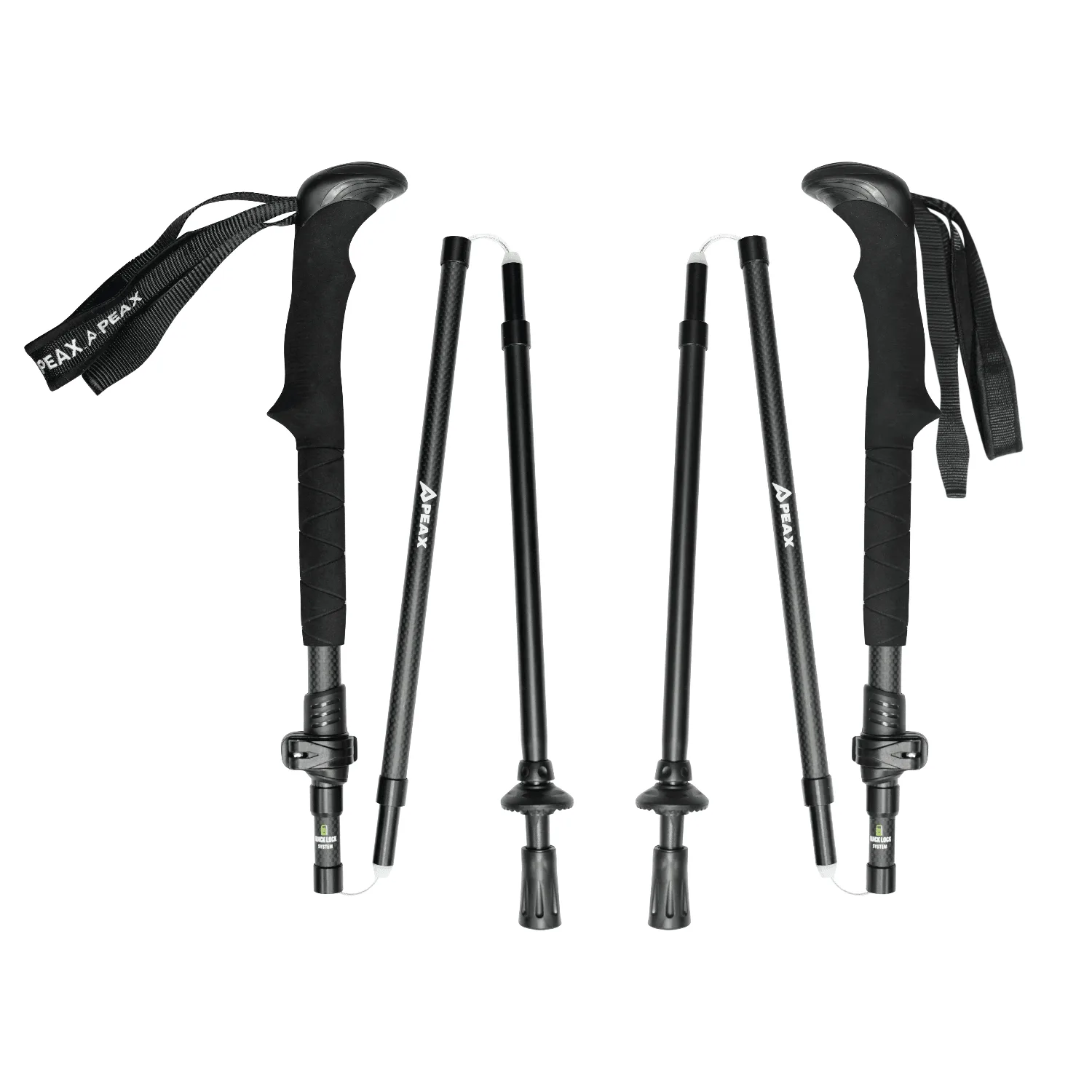
- PEAX BACKCOUNTRY Z TREKKING POLES: Folding collapsible trekking poles built for hunters who need lightweight stability when conditions demand it and compact storage when they don't. Use them to steady your glassing position on uneven ground, then fold them away when you move. They complement a pad by adding stability without bulk.
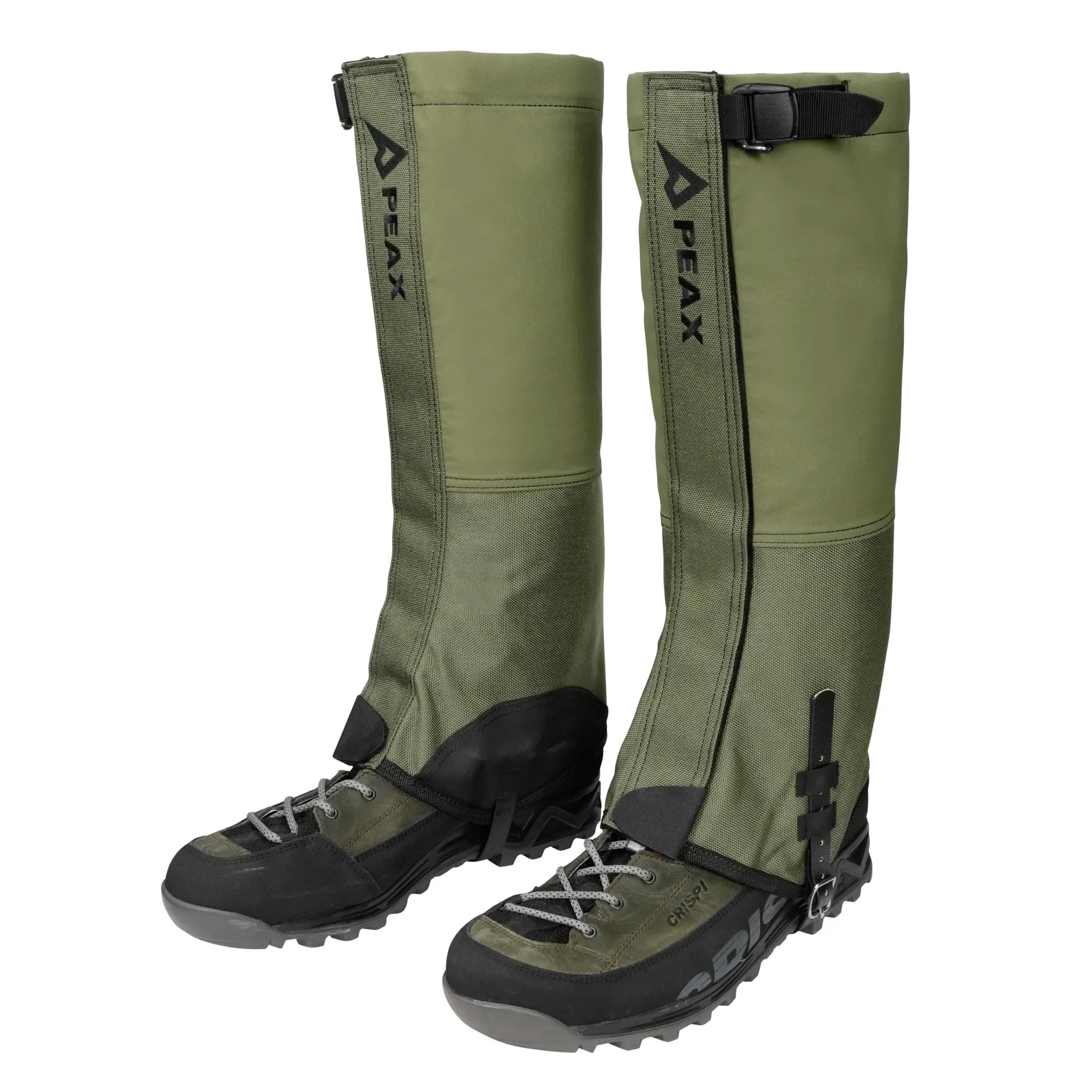
- STORM CASTLE HUNTING GAITERS: Built to keep water, debris, and brush out of your boots while protecting your lower legs in rugged mountain terrain. When you kneel or sit on wet ground, gaiters keep your lower legs dry and protected, so you can focus on glassing instead of discomfort.
Is a thick, contoured pad right for you?
Best for
- Hunters who glass for hours from a fixed position on rocky or cold ground
- Late-season hunts where insulation from frozen ground matters
- Base camp or truck camp hunts where weight is less critical
Not for
- Ultralight backpackers who count every ounce and glass briefly
- Hunters who mostly stalk and rarely sit for long periods
- Those who prefer a simple, thin foam pad for occasional use
The right glassing pad comes down to matching thickness and shape to how you hunt. Prioritize comfort for long sits, but don't ignore packability if you cover miles. Test your setup before the season, and adjust as needed. A small change in pad choice can make a big difference in how long you stay behind binoculars.