Vintage movie posters are more than just decorative paper—they're pieces of cinematic history. From classic horror to sci-fi epics, a genuine poster can be a valuable investment. But with the rise of high-quality reproductions and forgeries, knowing how to authenticate vintage movie posters has never been more critical.
Whether you're a seasoned collector or a newcomer, this guide will walk you through the essential steps to verify a poster's authenticity. We'll cover paper quality, printing techniques, provenance, and more, so you can avoid costly fakes and build a collection you can be proud of.
Why Authentication Matters
The market for vintage movie posters is booming, with rare pieces fetching thousands of dollars. Unfortunately, this also attracts counterfeiters who produce convincing fakes. A fake poster can be worth almost nothing, and buying one can be a disappointing and expensive mistake.
Authentication isn't just about protecting your wallet—it's about preserving the integrity of your collection. Genuine posters carry historical and artistic value that reproductions simply can't replicate. By learning to identify original movie posters, you ensure that every piece you own is the real deal.
- Check the paper and printing quality for signs of age.
- Look for restoration or trimming that might affect value.
- Verify the poster's provenance and documentation.
Examine the Paper and Printing
One of the first things to check is the paper. Vintage posters were printed on specific types of paper that have a distinct texture and weight. Original posters from the 1950s and earlier often used thicker, more textured paper, while later ones might be thinner and glossier. Hold the poster up to the light—genuine vintage paper usually shows a slight translucency and may have a watermark or printer's mark.
Printing techniques also vary by era. Early posters were often lithographed, resulting in vibrant, solid colors. Later posters might use offset printing, which produces a finer dot pattern. Look for these details with a magnifying glass. If the printing appears too crisp or uniform, it might be a modern reproduction.
- Use a magnifying glass to check for the dot pattern typical of offset printing.
- Feel the paper—vintage posters often have a slight tooth or texture.
Check the Dimensions and Folds
Original movie posters came in standard sizes, but these varied by country and era. For example, US one-sheets are typically 27x41 inches, but early ones might be slightly different. Measure the poster carefully and compare it to known dimensions for that title and year.
Folding is another clue. Many vintage posters were shipped folded, so a genuine poster might show crease lines. However, some were rolled and stored flat. If a poster appears to have been folded but shows no signs of wear along the folds, it could be a reproduction printed to mimic folds. Check the folds for tiny tears or paper separation, which indicate age.
- Measure the poster and verify against standard sizes for that era.
- Look for natural wear along folds, not just printed creases.
Investigate the Provenance
Provenance—the history of ownership—can be a strong indicator of authenticity. A poster with a documented chain of custody from a reputable dealer or auction house is more likely to be genuine. Ask the seller for any certificates of authenticity, previous sale records, or even photos of the poster in its original context.
Be wary of sellers who cannot provide provenance or who offer vague stories about how they acquired the poster. While it's possible to find genuine vintage posters at estate sales or flea markets, these often lack documentation, so you'll need to rely on your own inspection skills.
- Request certificates of authenticity or provenance documents.
- Research the seller's reputation and reviews.
Look for Restoration and Damage
Many vintage posters have been restored, which can affect their value. Restoration might include linen backing, color touch-ups, or repair of tears. While professional restoration can enhance a poster's appearance, it also means the poster is not in its original state. Look for signs of restoration, such as a linen backing that is too perfect or colors that seem too bright.
Also, check for damage like fading, foxing (brown spots), or tape stains. These can be signs of age, but they also lower the value. If a poster appears too pristine for its age, it might be a reproduction.
- Use a blacklight to detect restoration or touch-ups.
- Look for signs of fading or discoloration that indicate age.
Use Reference Materials and Expert Opinions
There are many books and online resources dedicated to vintage movie posters. These can help you identify the correct style, printing, and dimensions for a specific poster. Reference guides often include images of known originals, which you can compare to your potential purchase.
If you're unsure, consider consulting an expert. Professional appraisers or experienced collectors can often spot fakes at a glance. Some authentication services specialize in movie memorabilia and can provide a formal certification for a fee.
- Invest in a comprehensive poster price guide.
- Join collector forums to ask for opinions from experienced members.
Be Cautious with Online Purchases
Buying vintage posters online can be risky because you can't physically inspect the item. Always request high-resolution photos from multiple angles, including close-ups of the paper and folds. Ask the seller about the poster's dimensions and any flaws.
Use secure payment methods and check the seller's return policy. If a deal seems too good to be true, it probably is. For high-value purchases, consider using an escrow service or buying through a reputable auction house.
- Request additional photos if the listing lacks detail.
- Check the seller's return policy before committing.
Authenticating vintage movie posters takes practice and patience, but it's a skill that will serve you well. By examining paper, printing, dimensions, folds, provenance, and restoration, you can confidently identify original pieces and avoid fakes. Remember to use reference materials and seek expert advice when needed. With these tips, you're ready to start or expand your collection with genuine treasures. For more on building your collection, check out our selection of collectible posters and pins, like the Godzilla vs. Mechagodzilla II Variant Poster, which is a modern piece that can complement your vintage finds.
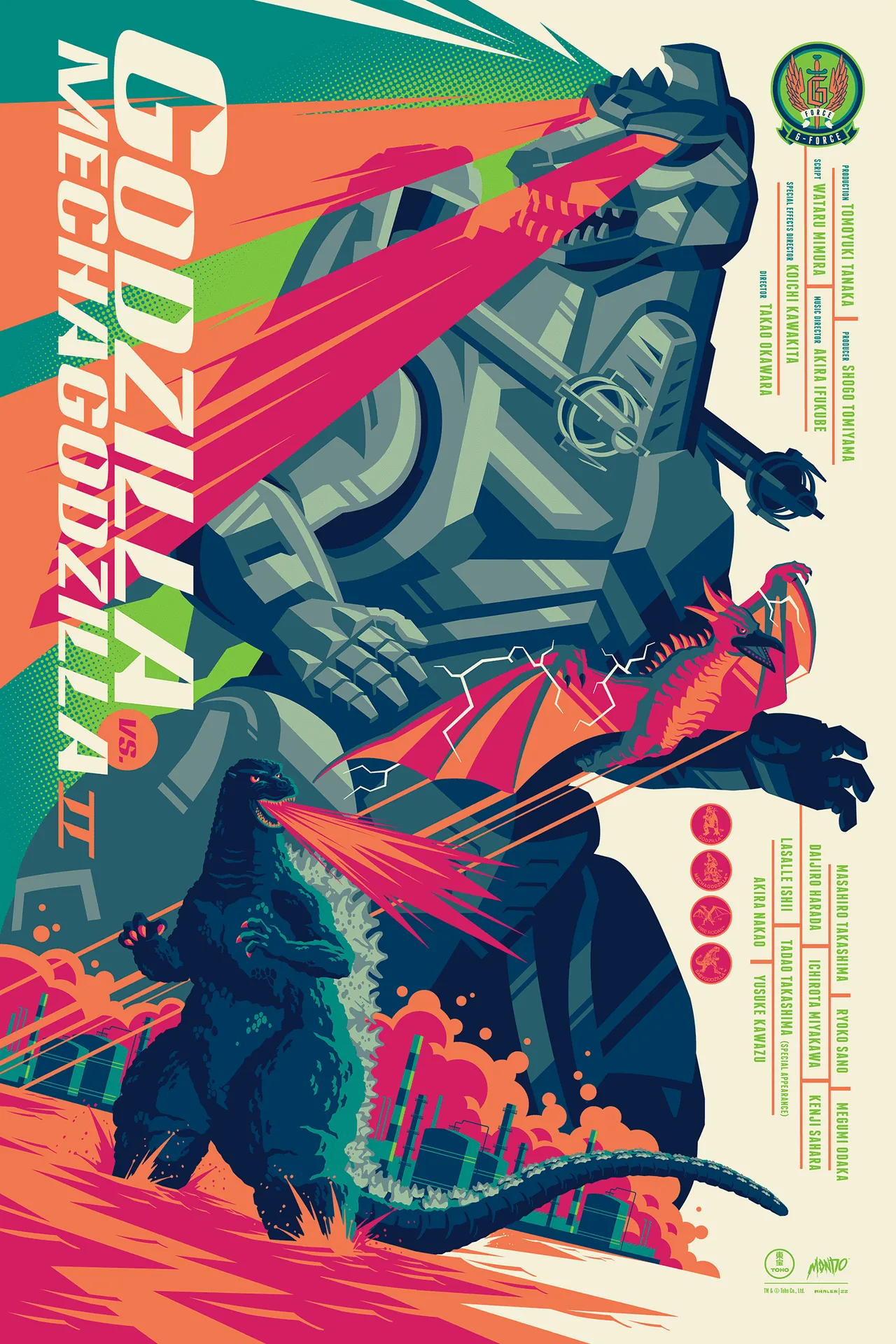
Godzilla vs. Mechagodzilla II Variant Poster