Quick answer
Use a medium-fine grind, water just off the boil, and a 1:16 coffee-to-water ratio. Rinse the filter, bloom with about twice the coffee's weight in water for 30 to 45 seconds, then pour in slow circles in two or three stages. Total brew time should land around 2:30 to 3:00 for a single cup.
The Hario V60 rewards attention more than any other brewer in the $12 range. Its cone shape and large single hole give you control over flow rate, which means grind size, water temperature, and pouring speed all show up in the cup. Get those three roughly right and you get a clean, bright pour over that highlights fruit and acidity.
This guide walks through the full process in order, from rinsing the filter to the final drawdown, with the checkpoint that tells you whether each step worked. If you are new to pour over coffee technique, follow the steps as written once, then adjust one variable at a time.
What you need before you start
You need a V60 dripper, matching paper filters, a gooseneck kettle, a scale, a timer, and freshly roasted coffee. A gooseneck spout matters because the V60's flow depends on where and how fast you pour; a wide kettle spout dumps water in bursts and makes consistency nearly impossible.
Weigh everything. Scoops vary too much between coffees, and the V60 is sensitive enough that a few grams of error changes the brew time noticeably. A scale that reads to 0.1 g lets you track both coffee dose and water poured.
- A medium-fine grind, roughly like table salt, is the standard starting point for a V60.
- Water temperature between 200°F and 205°F (93°C to 96°C) works for most medium and light roasts.
- Start with a 1:16 ratio: 15 g coffee to 240 g water for one mug.
Why the V60 behaves differently from other drippers
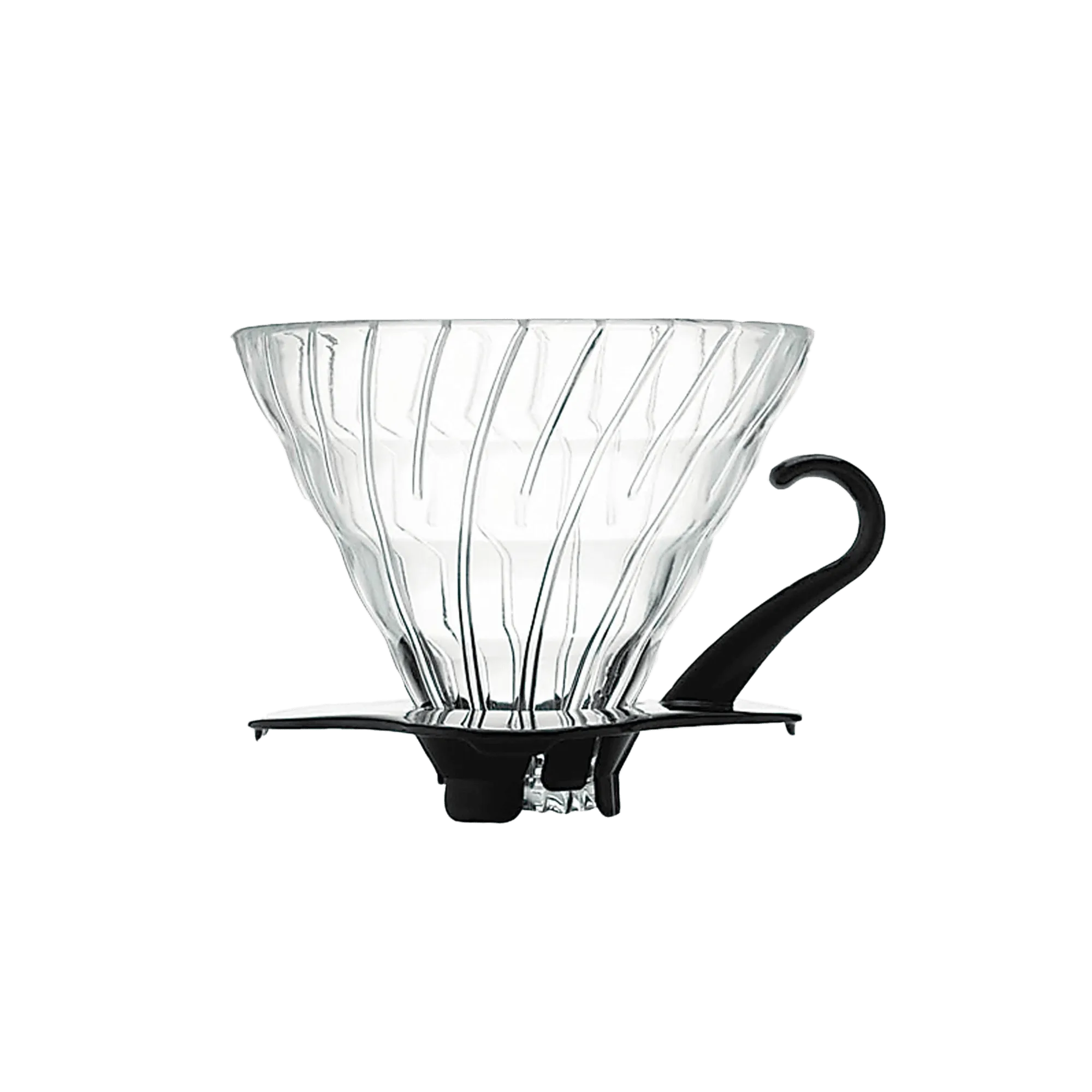
The V60's cone and spiral ribs are built for speed. Water exits through one large hole rather than a restricted aperture, so the brew drains as fast as your grind and pour allow. That speed is what produces the clarity people associate with the brewer, and it is also why a grind that is too coarse runs through in under two minutes and tastes thin.
Because the brewer gives you so much control, it also gives you more ways to go wrong. The fix is always the same: change one variable, taste, and repeat. Grind size is the variable with the largest effect, so adjust that first before touching temperature or pour pattern.
- A brew that finishes too fast usually means the grind is too coarse.
- A brew that stalls past four minutes usually means the grind is too fine or the pour was too aggressive.
Setting up the dripper and filter
Place the V60 on your mug or carafe, then fold the filter along its seam and set it in the cone. The filter should sit flat against the glass with the seam running down one of the ribs. If it buckles or floats, the water will bypass the coffee bed and the cup will taste weak no matter what else you do.
Pour hot water through the empty filter to rinse it and preheat the glass. Dump the rinse water, then add your ground coffee and shake the dripper gently to level the bed. A level bed is your baseline; a cratered or domed bed pours unevenly.
- Rinsing removes papery taste and warms the glass so your first pour does not lose heat.
- Level the coffee bed before pouring. It takes two seconds and prevents channeling.
The pour sequence, stage by stage
Start your timer and pour about 30 g of water, roughly twice the weight of the coffee, in a slow spiral from the center outward. This is the bloom. Wait 30 to 45 seconds while the bed expands and releases gas; if it does not bubble at all, the coffee is likely stale.
After the bloom, pour in slow circles up to about 140 g total. Keep the water level steady and avoid pouring directly onto the filter paper. Pause briefly, then pour the remaining water to 240 g, finishing with a gentle swirl of the dripper to settle the bed. The bed should be flat when the water drains.
- Pour from the center outward in circles; hitting the paper pushes water past the coffee.
- Aim for the full brew to finish between 2:30 and 3:00. Faster or slower tells you to adjust grind.
Tasting and adjusting
Taste the coffee once it cools slightly. If it is sharp, thin, or sour, the brew is likely under-extracted: grind finer or slow your pour. If it is bitter, drying, or hollow, it is over-extracted: grind coarser or lower the water temperature by a few degrees.
Change only one thing per brew. Grind size first, then temperature, then pour timing. Keeping notes on dose, water weight, and total time makes the next adjustment obvious instead of guesswork.
- Sour or weak: grind finer, or extend the bloom and pour more slowly.
- Bitter or harsh: grind coarser, or drop water temperature to around 200°F.
Your V60 brew checklist
- Rinse and preheat: Place the filter in the cone, pour hot water through it, and dump the rinse water. This removes paper taste and warms the glass. Checkpoint: the filter sits flat against the cone with no folds or gaps.
- Dose and level: Weigh 15 g of medium-fine coffee into the rinsed filter and shake gently to level the bed. Checkpoint: an even, flat bed before any water touches it.
- Bloom: Start the timer, pour about 30 g of water in a slow spiral, and wait 30 to 45 seconds. Checkpoint: the bed expands and bubbles. No bubbling suggests old coffee.
- First pour: Pour in slow circles to about 140 g total, keeping water off the filter paper. Checkpoint: the water level stays steady and the bed remains level.
- Second pour and finish: Pour the remaining water to 240 g, then swirl the dripper gently to settle the bed. Checkpoint: total brew time lands between 2:30 and 3:00.
- Taste and adjust: Taste once the cup cools slightly. Sour means grind finer; bitter means grind coarser. Next step: change one variable at a time and log what you changed.
Gear that pairs with this method
- Hario V60 Glass Coffee Dripper: The cone-shaped brewer adds depth to coffee extraction and is built for speed, consistency, and eye-candy, from a company that has made glassware since 1921. The glass cone shows you the coffee bed and flow, so you can see channeling or a stalled brew while it happens and correct your pour in real time.
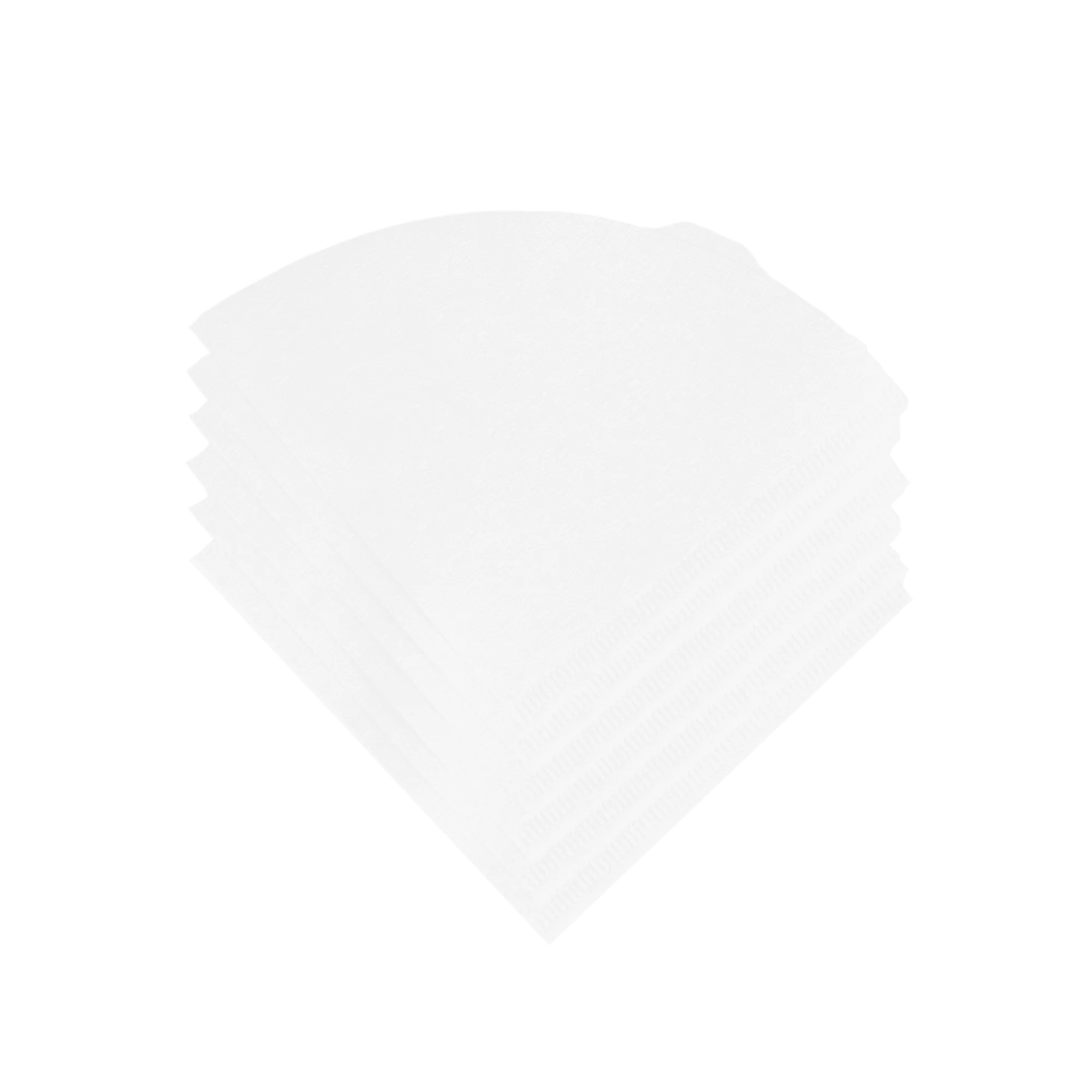
- Hario V60 Coffee Filters: These cone-shaped thin paper filters fit a Hario V60-01 or V60-02 pourover brewer, and the 02 size has a larger opening for a faster brew. Using the right size filter keeps the paper flush against the cone; a mismatched filter can collapse and let water bypass the coffee.
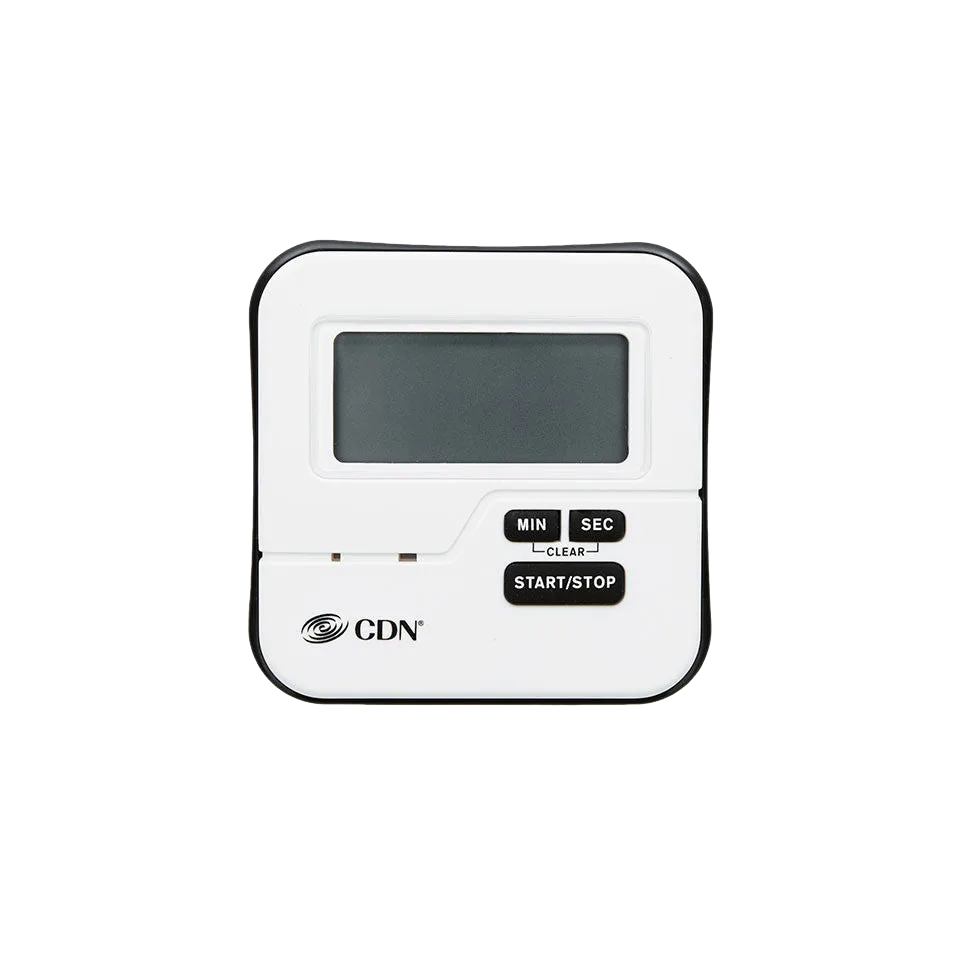
- CDN Waterproof Timer: CDN has been a global leader in kitchen equipment for over 30 years, and the large font helps you quickly scan which brews are about to finish. Pour over depends on timing the bloom and total drawdown, so a timer you can read at a glance keeps your stages on track.
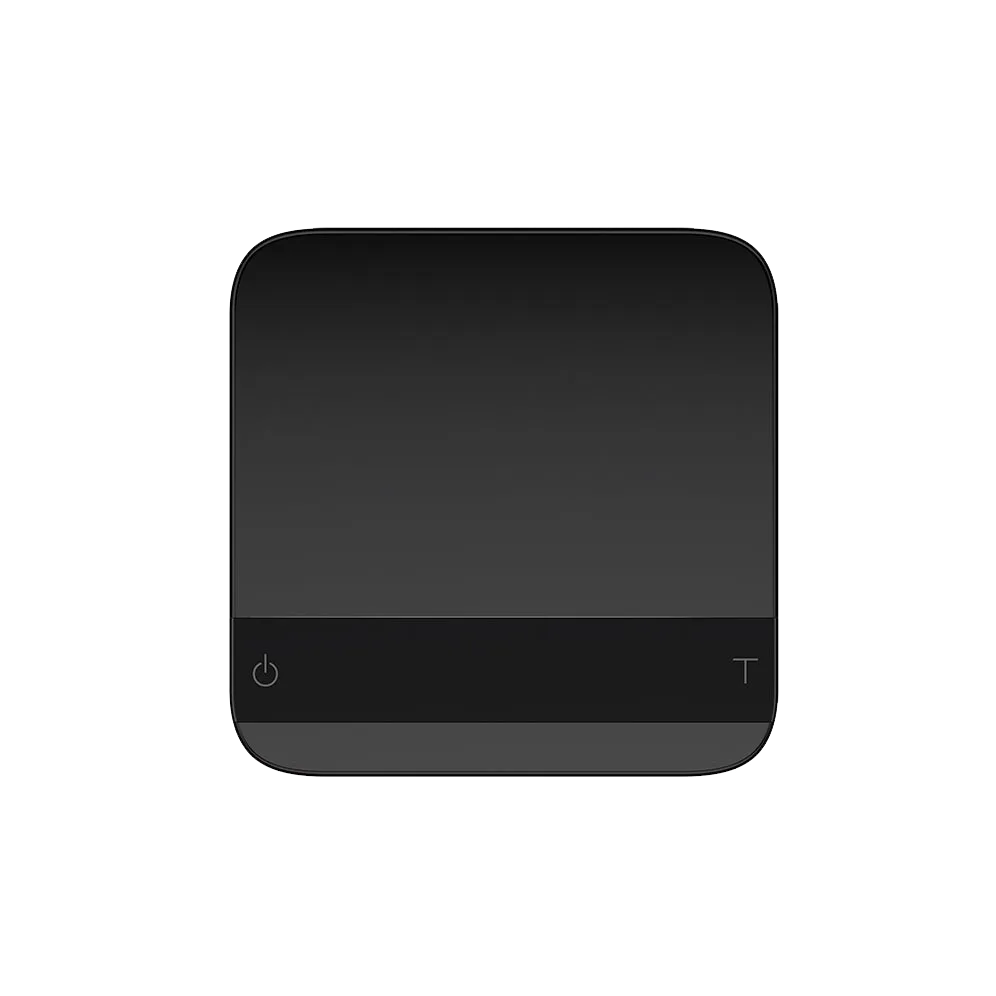
- Acaia Lunar Scale: The Lunar is designed for coffee enthusiasts who track weight, time, and flow rate as they brew, with a compact aluminum body that fits into an espresso machine drip tray. Tracking flow rate helps you pour at a steady pace, which is the difference between an even extraction and a rushed one.
The V60 is a brewer that teaches you something every time you use it. Keep your ratio and temperature steady, adjust grind first, and let the taste of the cup tell you what to change next. With a few brews of practice, the pour over coffee technique becomes second nature.