Quick answer
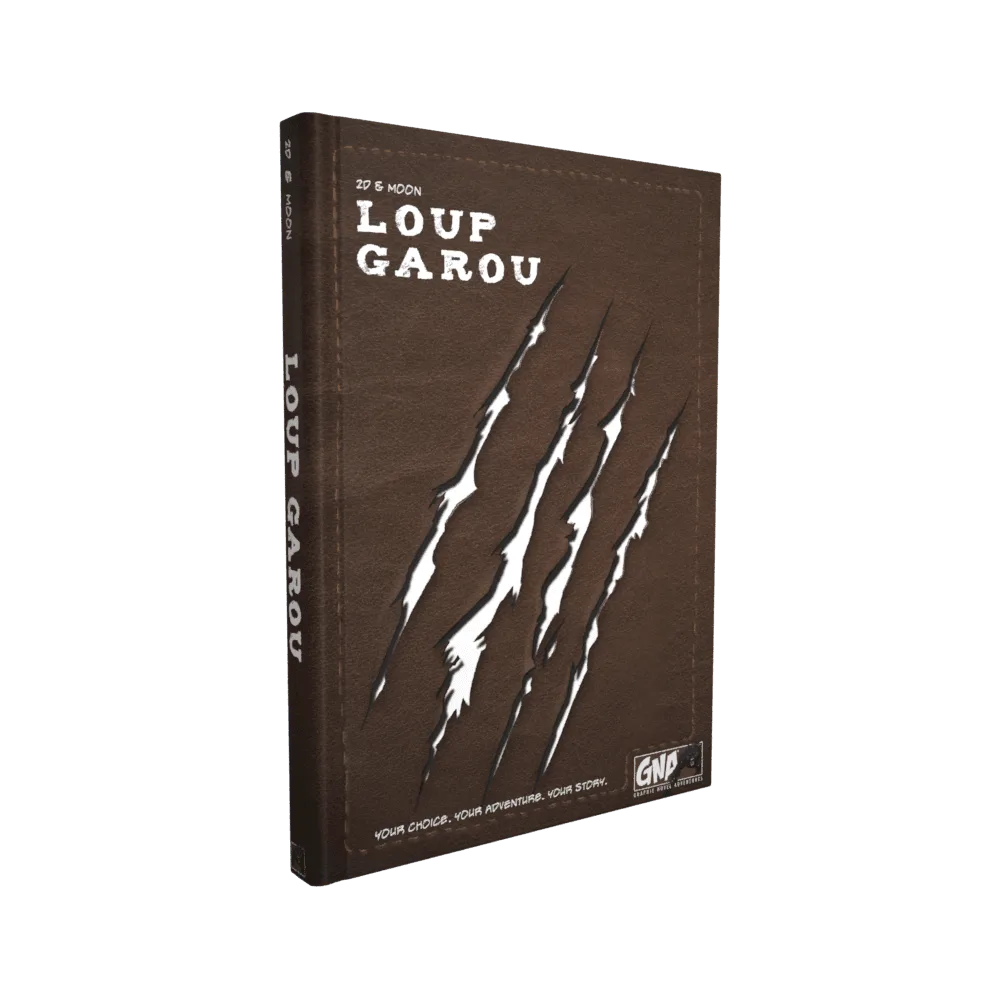
Store your Graphic Novel Adventures books upright on a shelf or in the Season 2 slipcase, keep them away from direct sun and damp rooms, and handle pages by the outer margins. That combination prevents the bending, yellowing, and spine cracks that come from casual storage. A five-minute monthly check is enough to catch problems early.
Set up a stable home shelf
Pick a spot that stays between 60–75°F and below 60% humidity—a living room bookshelf works better than a basement or attic. Keep books vertical and snug enough that they don't lean, but not so tight that pulling one out scuffs its neighbors. If you own the Season 2 slipcase, use it as the primary home for those five volumes; it holds them upright and blocks dust.
Avoid stacking heavy hardcovers on top of gamebooks. The weight presses down on the spine and cover over time, which is a common cause of warped boards.
Handle pages without cracking spines
Open a new gamebook gently: lay it flat, press the pages down a few at a time from the middle outward, then repeat. This loosens the binding without forcing it. When you read, hold the book open at no more than a 140-degree angle and support the spine with your palm. Never fold a cover back behind the book—that's the fastest way to break a glued spine.
If you play at a table, use a book stand or a small pillow to hold the pages open. That keeps both hands free for dice, pencils, or cards and reduces the temptation to press the book flat.
Clean and protect covers between sessions
Dust the cover and text block edges with a soft, dry microfiber cloth once a month. For glossy covers, breathe lightly on the surface and wipe—no sprays or wet wipes, which can lift ink or warp the board. If you want extra protection, a clear, removable book cover (sold as a roll or pre-cut sleeve) shields corners from shelf rash without hiding the art.
Skip tape repairs on torn pages. Archival paper tape is better than office tape, but it still stiffens the page and can bleed over time. For a valuable volume, ask a local bookbinder about a proper hinge repair.
Travel and play without damage
When you take a gamebook to a game night, slide it into a padded sleeve or a zippered pouch instead of a loose tote bag. Keep pens capped and dice in a separate pocket so they don't press into the cover. At the table, avoid leaving the book open face-down; that habit bends the spine and creases pages.
If you use sticky notes as bookmarks, place them on the outer margin only. Adhesive residue can pull ink or leave a stain on coated paper, especially in humid rooms.
Your 7-step gamebook care routine
- 1. Choose a climate-stable shelf: Pick a spot away from radiators, sunny windows, and damp exterior walls. Aim for 60–75°F and under 60% humidity. Checkpoint: if the room feels muggy or you see condensation on windows, move the books.
- 2. Store upright, not stacked: Stand books vertically and use the Season 2 slipcase for that set. Avoid leaning towers that warp spines. Common mistake: piling heavy books on top 'just for now'—weight causes permanent cover warping.
- 3. Break in new bindings gently: Lay the book flat and press pages down a few at a time from the center outward before your first read. Checkpoint: the spine should feel flexible, not stiff or cracking.
- 4. Read at a safe angle: Hold the book open no more than 140 degrees and support the spine. Use a stand or pillow at the table. Common mistake: folding the cover back behind the book—this breaks glued spines.
- 5. Dust monthly with a dry cloth: Wipe covers and text block edges with a soft microfiber cloth. Never use sprays or wet wipes on glossy covers. Checkpoint: if the cloth picks up ink color, stop—you're rubbing too hard or the cover is damp.
- 6. Use margin-only bookmarks: Place sticky notes or paper bookmarks on the outer margin, not deep in the gutter. Remove sticky notes after each session. Common mistake: leaving adhesive notes in place for weeks, which can stain or lift print.
- 7. Travel in a padded sleeve: Carry gamebooks in a zippered pouch or padded sleeve, with dice and pens in a separate pocket. Next step: after each trip, do a quick corner and spine check before reshelving.
Why these books reward careful handling
- Graphic Novel Adventures Season 2 (With Slipcase): Graphic Novel Adventures Season 2 (With Slipcase) includes Mystery, Sherlock Holmes & Moriarty: Associates, Pirates: The Great Chase, Sherlock Holmes: The Challenge of Irene Adler, and Pirates: The City of Skulls, plus a special limited edition slipcase. The slipcase gives all five volumes a single upright home, so you can shelve them together and reduce the handling that causes bent corners.
- Pirates: City of Skulls: Pirates: City of Skulls continues where your adventure left off and explores a bustling pirate town. Because it's a story you return to across sessions, a bookmark and a stable shelf spot matter more than for a one-time read.