Quick Answer
To choose a productivity planner, first identify your planning style—daily, weekly, or quarterly—then match the layout to your workflow. For most people, a quarterly planner with daily task sections offers the best balance of flexibility and structure.
Match the planner format to your planning rhythm
Your planning rhythm determines which format will actually get used. If you prefer to map out each day in the morning, a daily planner with hourly or task-list sections works best. If you think in weeks and batch tasks, a weekly spread reduces setup time. If you set goals every few months and want a broader view, a quarterly planner keeps your focus on long-term outcomes without daily overwhelm.
Consider how much time you realistically have to plan. Daily planners require consistent daily input, while weekly planners can be updated in one sitting. Quarterly planners sit in between—they encourage regular check-ins but don't demand daily maintenance. Be honest about your habits to avoid buying a planner that becomes a decorative object.
Evaluate the layout: tasks, goals, and reflection
Look at how the planner structures tasks and goals. A good productivity planner should have clear sections for capturing tasks, prioritizing them, and tracking progress. Some planners include prompts for reflection or weekly reviews, which help you adjust your approach rather than just record what you did.
Also check whether the layout matches the way you work. If you juggle multiple projects, you might need project-specific pages. If you focus on daily execution, a simple task list with priority markers is enough. Avoid planners with too many decorative elements if you prefer minimalism, and avoid sparse layouts if you need structure to stay motivated.
Consider the time horizon and commitment level
Planners come in different durations—monthly, quarterly, or yearly. A quarterly planner is ideal if you like to set fresh goals every few months and want a manageable commitment. It also works well if you're trying a new system and don't want to invest in a full year upfront.
On the other hand, if you thrive on consistency and hate switching systems, a yearly planner might be more suitable. If you're unsure, start with a quarterly planner to test your workflow without a long-term commitment. You can always switch to a yearly version later.
Decision Rules for Choosing Your Planner
- If you plan daily: Choose a daily planner with hourly or task-list layouts. Expect to spend 5–10 minutes each morning setting up your day.
- If you plan weekly: Opt for a weekly spread with space for priorities and notes. You'll need about 15 minutes once a week to plan ahead.
- If you set quarterly goals: Select a quarterly planner that includes goal-setting prompts and monthly check-ins. This balances long-term vision with daily action. If you're new to planning, start with a quarterly planner to test your workflow without a year-long commitment.
Product Spotlight
-
Quarterly Productivity Planner: The Quarterly Productivity Planner is designed for focused goal-setting, efficient task management, and sustained motivation. Its quarterly format lets you align your daily tasks with bigger goals, making it easier to stay motivated without feeling overwhelmed.
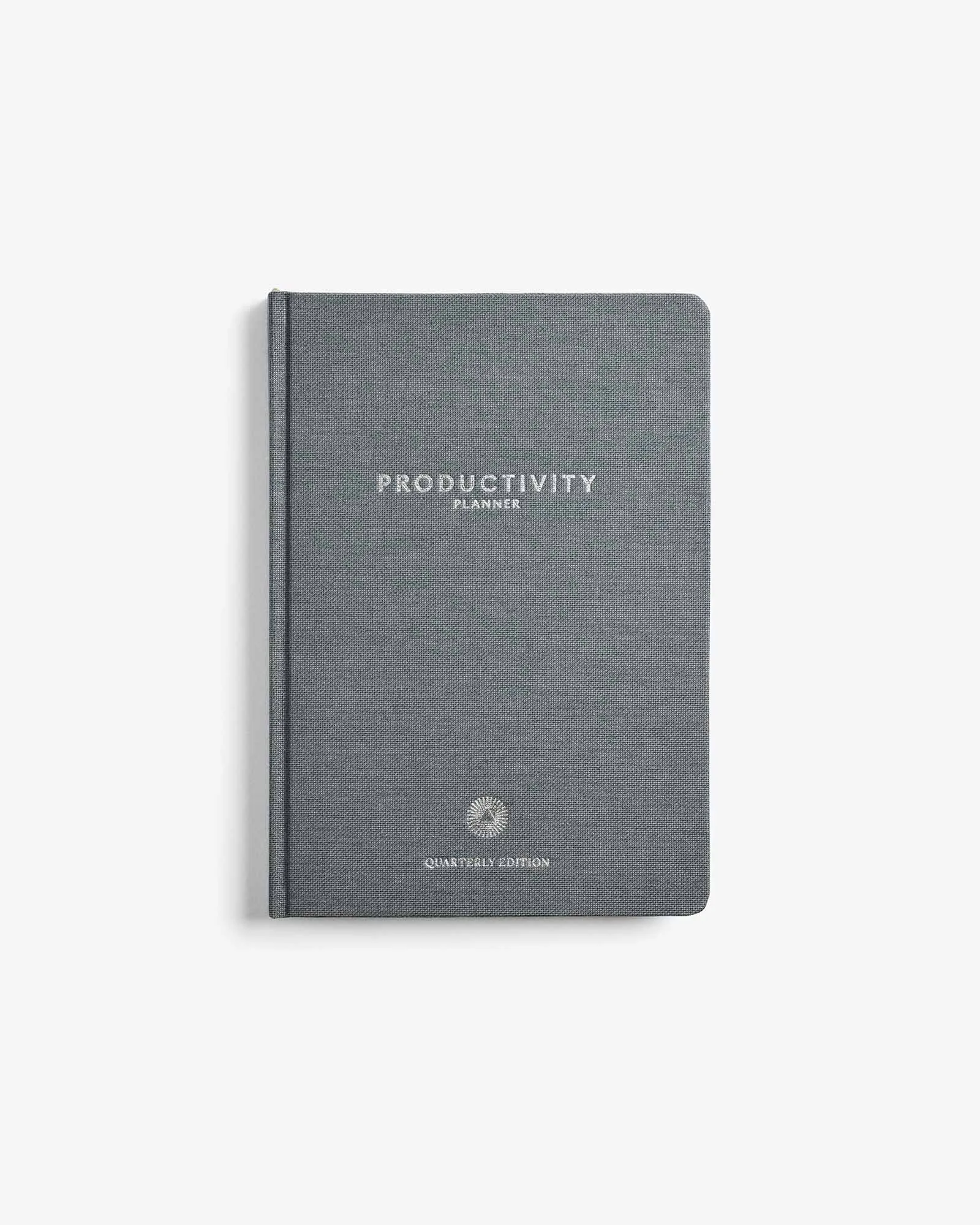
Quarterly Productivity Planner
Who Should Choose What
Best for
- People who set goals every few months and want a structured yet flexible planner
- Those who prefer a moderate planning commitment—more than a simple to-do list but less than a daily journal
Not for
- People who need daily hourly scheduling for fixed appointments
- Those who want a minimalist undated notebook with complete freedom