Quick Answer
For first walkers, choose soft sole baby shoes that are flexible, non-slip, and designed to stay on. Look for a snug fit with room to grow, and prioritize comfort over style.
Why Soft Soles Matter for First Steps
Soft sole baby shoes are ideal for pre-walkers and those taking their first steps because they allow natural foot movement and sensory feedback. Unlike stiff-soled shoes, soft soles let your baby feel the ground, which helps with balance and coordination.
Look for shoes with non-slip soles to prevent slips on smooth floors. A soft, flexible sole also makes it easier for your baby to walk without resistance, which is crucial during the early stages of learning to walk.
Fit and Sizing: Room to Grow Without Slipping
Baby shoes should fit snugly but not tight. There should be about a thumb's width of space at the toe to allow for growth, but the heel should not slip. Shoes that are too big can cause trips and falls, while shoes that are too small can restrict foot development.
Since baby feet grow quickly, check the fit regularly. If your baby's toes are pressing against the front of the shoe, it's time to size up. Sizes often correspond to age ranges, but always measure your baby's feet for the most accurate fit.
Design Features That Help: Stay-On and Easy Fastening
For babies who are just starting to walk, shoes that stay on are a game-changer. Look for designs with elasticated openings, hidden velcro fastenings, or soft knit tops that hug the foot. These features reduce the frustration of shoes slipping off and keep your baby safe.
Hidden velcro fastenings are particularly useful because they are easy to adjust and secure, yet don't interfere with the shoe's appearance. Soft imitation leather tops are also a good choice as they are gentle on delicate skin and easy to clean.
Decision Rules for Choosing Baby First Walker Shoes
- Softness and Flexibility: Choose shoes with soft, flexible soles that allow natural foot movement. Avoid stiff-soled shoes for first walkers. Bend the shoe in your hand—it should flex easily at the ball of the foot.
- Non-Slip Grip: Look for non-slip soles to provide traction on smooth floors and reduce the risk of slipping. Run a finger over the sole to ensure it has grip, not a smooth surface.
- Secure Fit: Shoes should fit snugly with about a thumb's width of space at the toe. The heel should not slip when your baby walks. Check the fit every few weeks—baby feet grow quickly.
- Stay-On Design: Opt for features like elasticated openings, hidden velcro, or soft knit tops that help shoes stay on active feet. If shoes keep falling off, look for a design with a hidden fasten or a snugger fit.
- Material and Comfort: Choose breathable, soft materials like imitation leather or fine knit that are gentle on skin and easy to clean. Avoid materials that are stiff or scratchy—comfort is key for first walkers.
Product Facts
-
Cub Moccasins - Pink: These moccasins have a soft fine knit top with imitation leather trims and non-slip soles. The soft knit and non-slip sole make them a comfortable, safe choice for pre-walkers and first steppers.
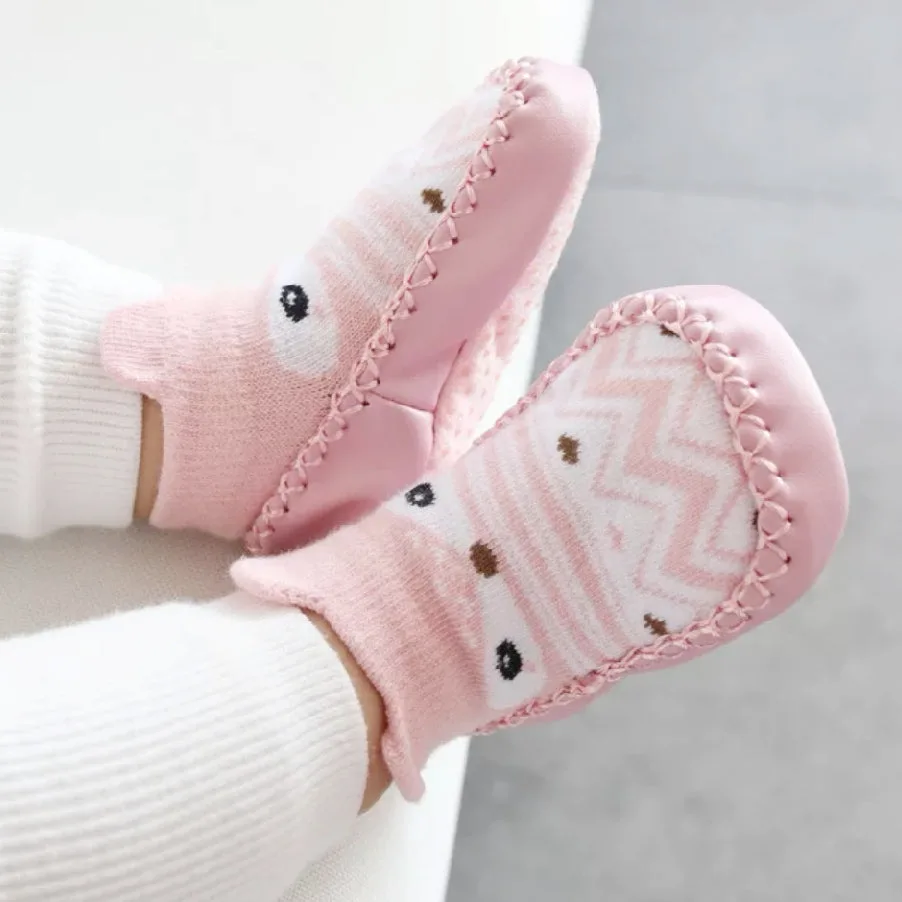
Cub Moccasins - Pink
-
Bunny Shoes: These bunny shoes have a soft imitation leather top with a hidden velcro fasten. The hidden velcro fasten keeps the shoes securely on your baby's feet while maintaining a cute, streamlined look.
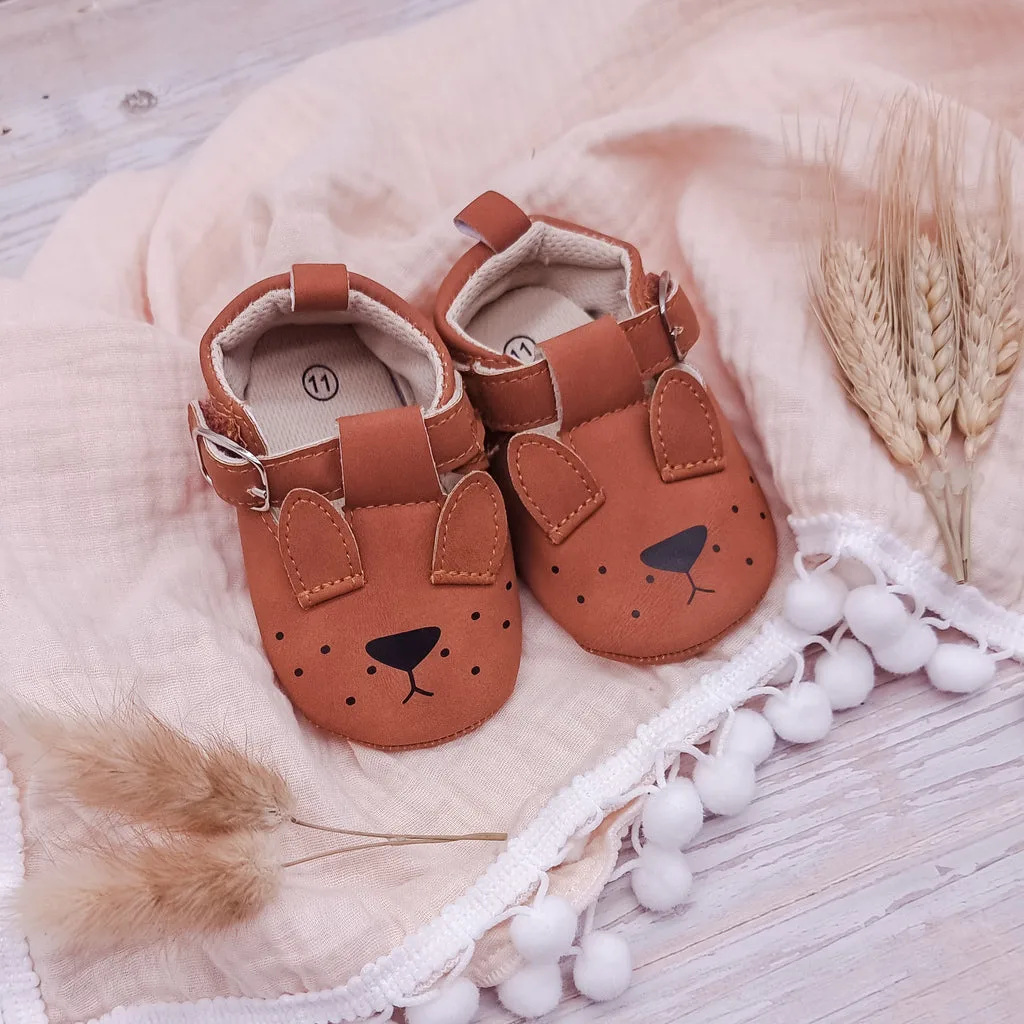
Bunny Shoes
Fit Guidance
Best For
- Pre-walkers who need protection while practicing standing and cruising
- First walkers who are just starting to take independent steps and need flexibility and grip
Not For
- Toddlers who are already confident walkers and need more structured support
- Outdoor walking on rough terrain where sturdier soles are needed