Quick answer
Buy for the light you actually ride in, then for fit. If you ride at dawn, dusk or under tree cover, choose photochromic cycling glasses so one lens covers the whole ride. If you ride in steady daylight, a fixed tint with full UV protection is simpler and cheaper. Whatever you pick, the frame must stay put when you look down at the bars, and the lens should sit close enough to block wind without touching your lashes.
Start with lens tint, not frame brand
Tint decides how much light reaches your eye and how quickly you read the road surface. A dark tint is comfortable in high sun but can leave you squinting in shade, while a light or rose tint lifts contrast on grey days and gravel dust. Photochromic lenses darken and lighten as conditions change, which is why they suit riders who start before sunrise or finish after the light drops. If you only ride in consistent midday sun, a fixed tint is lighter, cheaper and one less thing to think about.
UV protection is separate from tint. A clear or lightly tinted lens can still block UV, and a dark lens that lacks UV protection is worse than useless because it widens your pupil while letting UV through. Look for a stated UV400 or equivalent claim on the lens, and replace scratched lenses rather than riding them for years.
Match coverage to your riding position
Road cyclists spend most of the ride hunched forward, looking up through the top of the lens, so a taller lens and a frame that hugs the brow reduce wind and tear film drying. Gravel riders sit more upright and change position constantly, so a slightly smaller, lighter lens with good peripheral coverage tends to be more comfortable over long, bumpy days. In both cases, the gap between the top of the frame and your helmet should be small enough that wind does not funnel into your eyes when you look down.
Peripheral vision matters more than most buyers expect. A wide lens with a thin or rimless lower edge lets you check over your shoulder without turning your whole head, which is useful in group rides and on gravel descents where the surface changes fast.
Fit rules that stop glasses sliding
Fit is where most returns happen. Nose pieces should grip without pinching, and temple arms should sit flat against your head rather than pressing behind your ears. If the frames slide when you look down, they will slide more when you sweat, so test them with a helmet on and your head tilted toward the bars. Adjustable nose pieces and rubberised temples help, but a frame that is simply the wrong width for your face cannot be fixed by adjustment.
Helmet compatibility is its own check. Some helmets have deep vents or a retention dial that pushes glasses forward, so bring your helmet when you try frames, or buy from a seller with easy returns. If you wear prescription glasses, decide early whether you want prescription inserts, custom prescription lenses, or to ride with your normal glasses and accept the wind.
How sunglasses fit into the rest of your kit
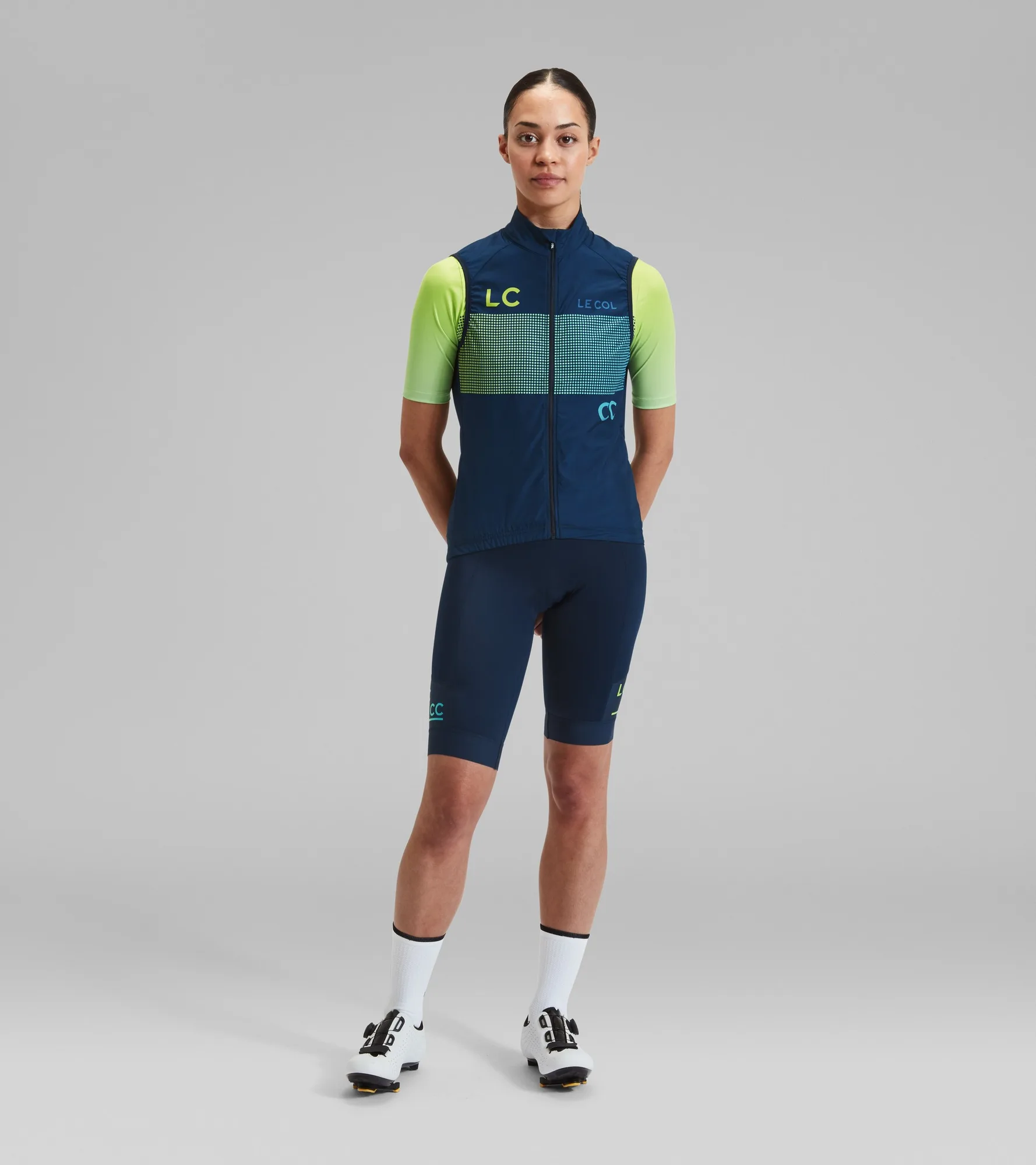
Sunglasses are the smallest part of a system that keeps you comfortable. On changeable days, a packable gilet such as the LC__CC Women's Sport Gilet adds core protection without bulk and stows when the sun comes out, so you are not choosing between overheating and getting cold. Light, breathable gloves or mitts keep your hands secure on the bars when you are sweating, and a well-cut jersey with stable pockets means you can stash a lens cloth or spare lens without it bouncing out.
Keep the lens clean with a microfibre cloth and lukewarm water rather than your jersey hem, which holds grit that scratches coatings. If you ride in salt air or heavy sweat, rinse the frame and nose piece periodically so the rubber does not stiffen or degrade.
Decision rules for buying cycling sunglasses
- If your ride spans changing light: Choose photochromic lenses so you are not swapping lenses at the roadside. Accept that they cost more and may not go as dark as a dedicated sun lens at midday. One pair, all ride.
- If you ride mostly in steady daylight: Choose a fixed tint with a stated UV400 or equivalent claim. Spend the saved money on fit quality, because a well-fitting cheap pair beats an ill-fitting expensive one. Tint first, then fit.
- If you ride road in a low position: Prioritise a taller lens and close brow coverage to cut wind and tearing. Check the gap to your helmet with your head tilted down. Coverage over weight.
- If you ride gravel or mixed terrain: Prioritise peripheral vision and a light, stable frame. A slightly smaller lens with a thin lower edge lets you scan the surface without moving your head. Vision over bulk.
- If you are between sizes or unsure: Buy from a seller with easy returns and test with your helmet on. Do not rely on adjustment to fix a frame that is the wrong width. Test, then commit.
Kit that pairs well with new eyewear
- LC__CC Womens Sport Gilet: The LC__CC Women's Sport Gilet is lightweight and packable, with a windproof and shower-resistant front panel and mesh panels on the sides and back. On days when light changes fast, you can add or remove core protection without carrying bulk, so your eyewear choice is not dictated by temperature swings.
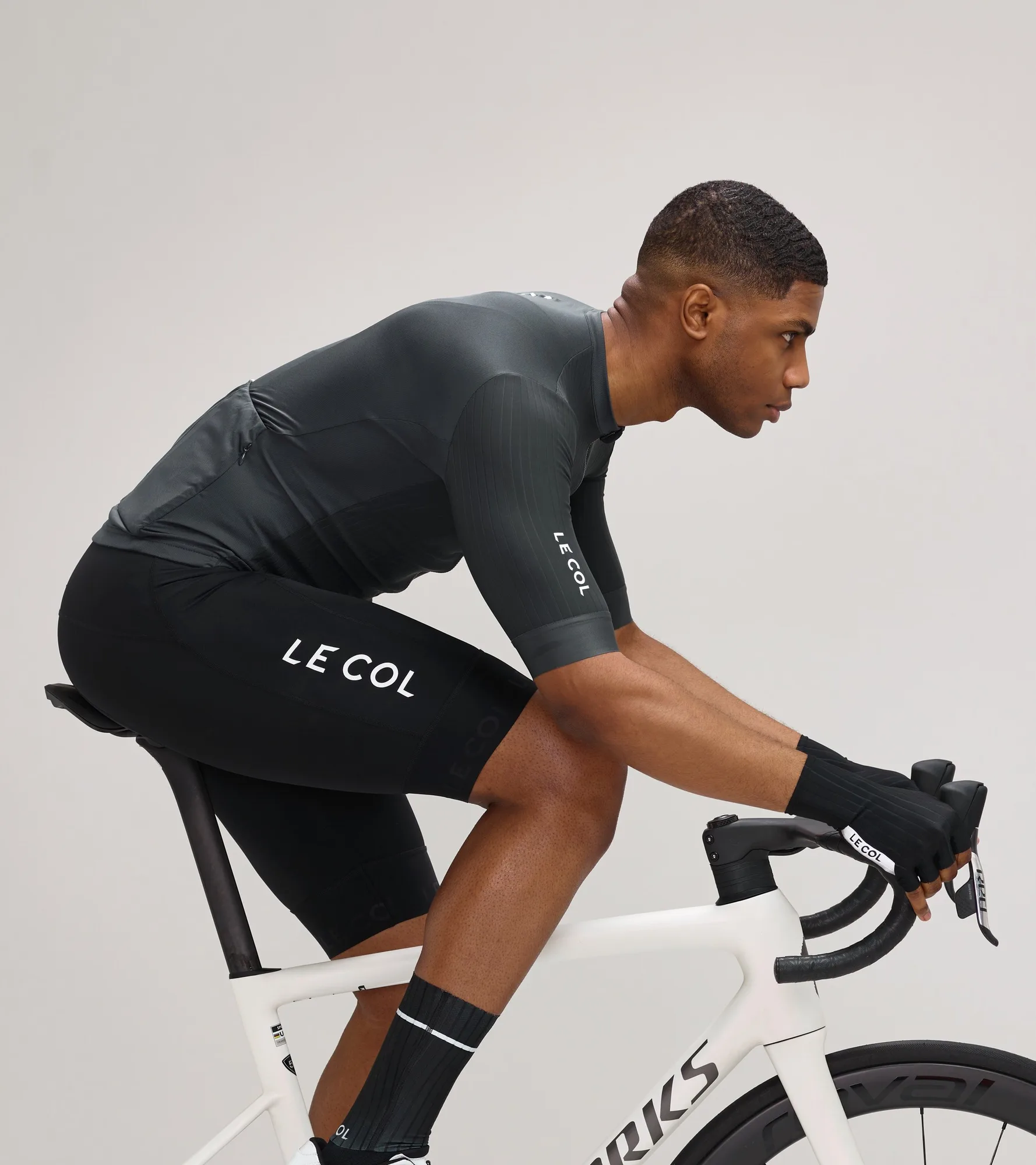
- Pro Aero Mitts: The Pro Aero Mitts use high-performance tripping fabric on the back of the hand, are unpadded, and have perforated holes and mesh between the fingers. Breathable, unpadded mitts keep your grip secure when your hands sweat, which matters more than most riders expect when you are adjusting glasses mid-ride.
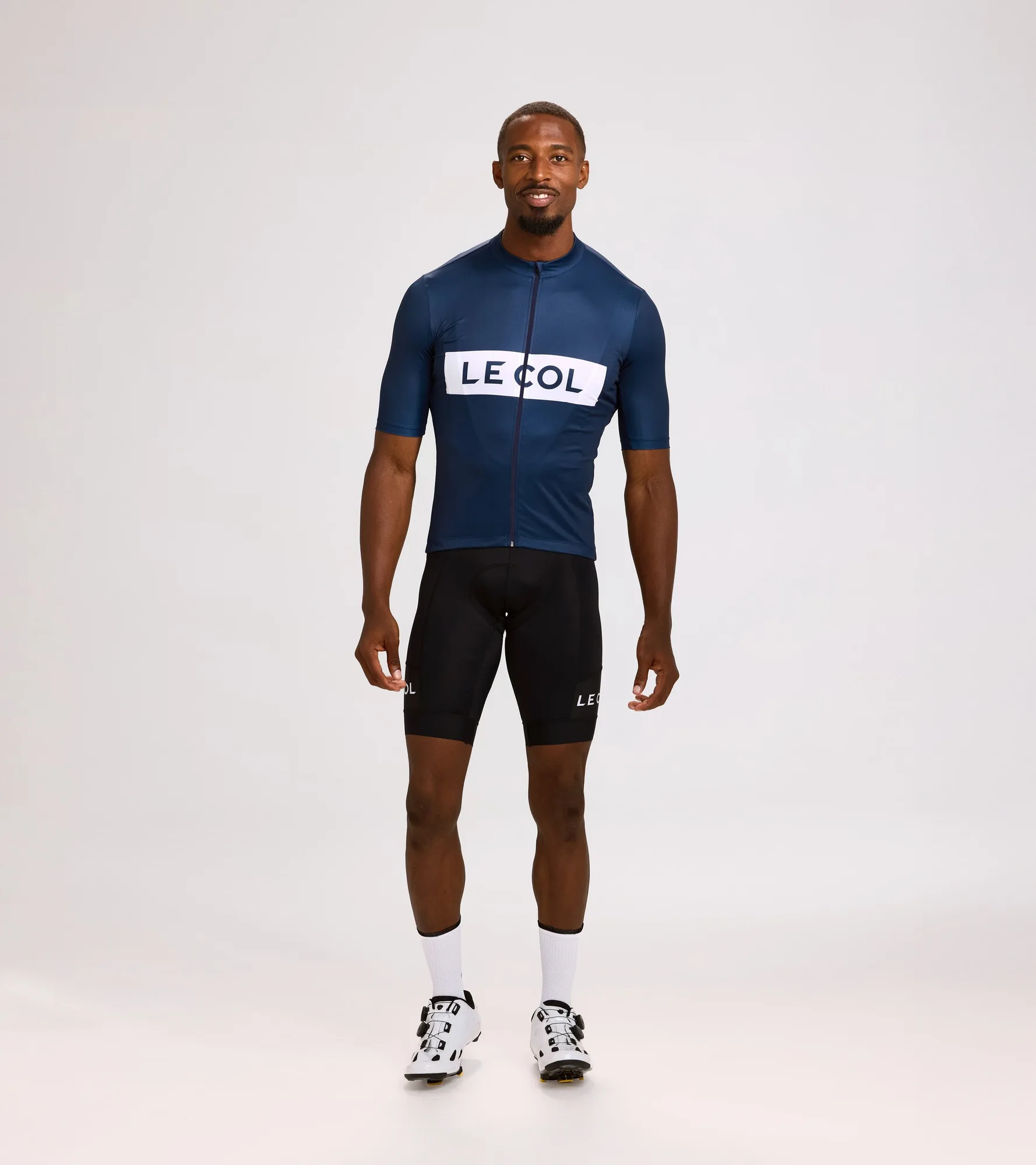
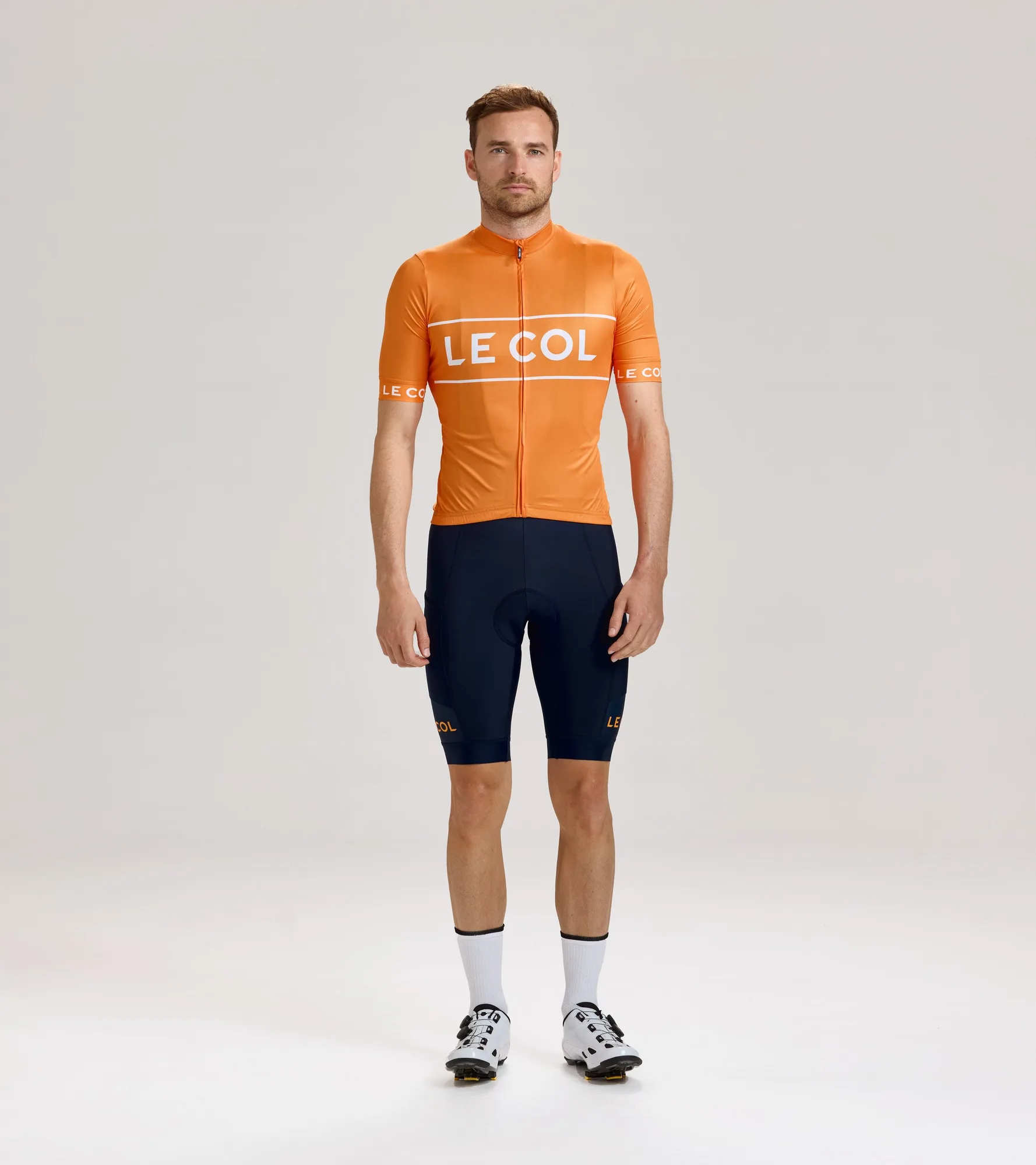
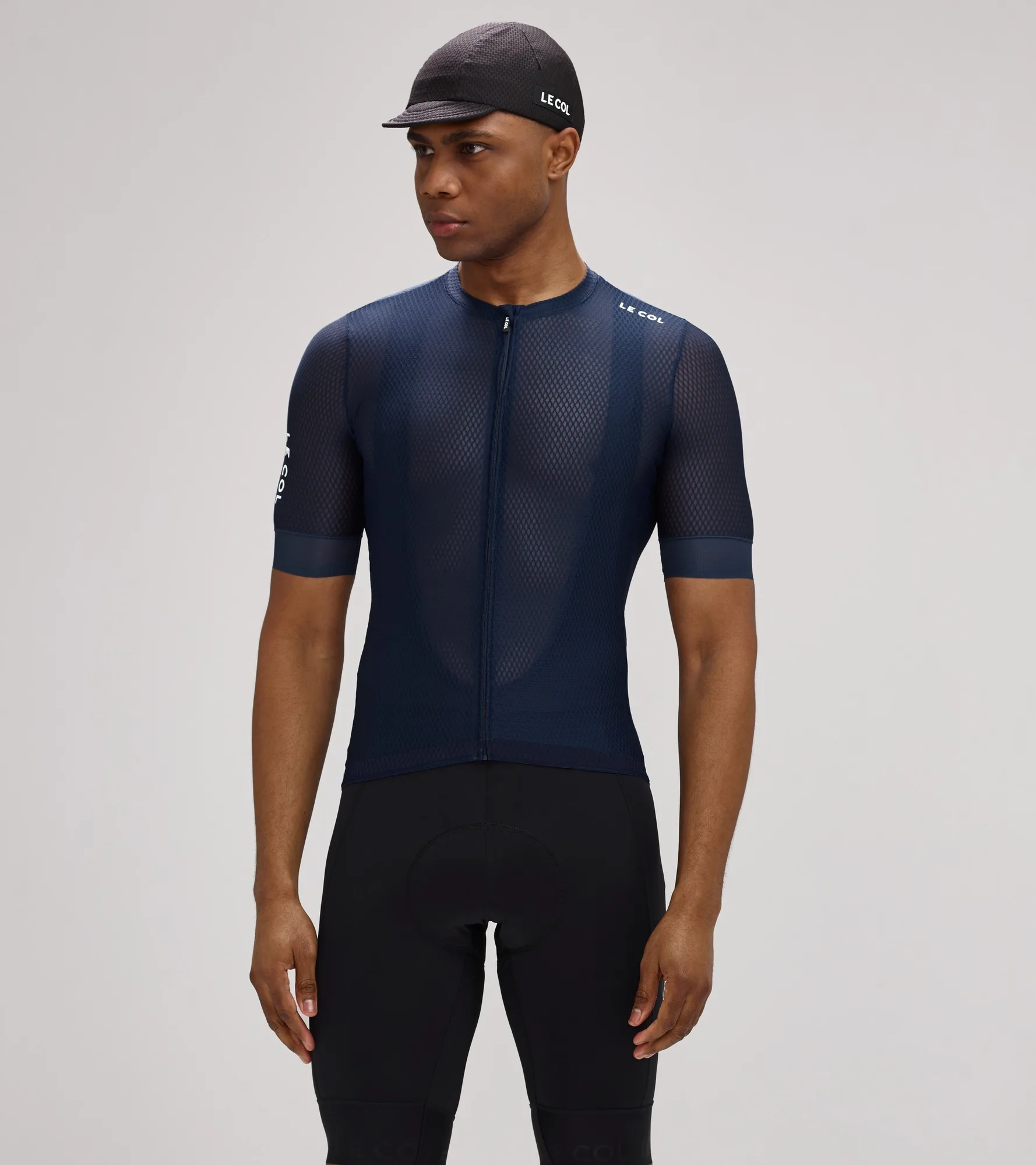
- Sport Logo Jersey: The Sport Logo Jersey uses lightweight mesh pockets and a silicone hemline gripper. Stable pockets and a gripper hem keep a lens cloth or spare lens where you put it, instead of bouncing out on rough gravel.
Who these recommendations suit
Best for
- Road riders who want one pair that handles early starts and bright afternoons
- Gravel riders who need wide peripheral vision and a stable frame on rough surfaces
- Riders who wear a helmet with deep vents and need to check compatibility before buying
Not for
- Riders who only need eye protection from debris and are happy with cheap safety glasses
- Riders who want a single very dark lens for high-altitude sun and never ride in shade
- Anyone unwilling to test fit with their helmet, since frame width cannot be adjusted later