Quick answer
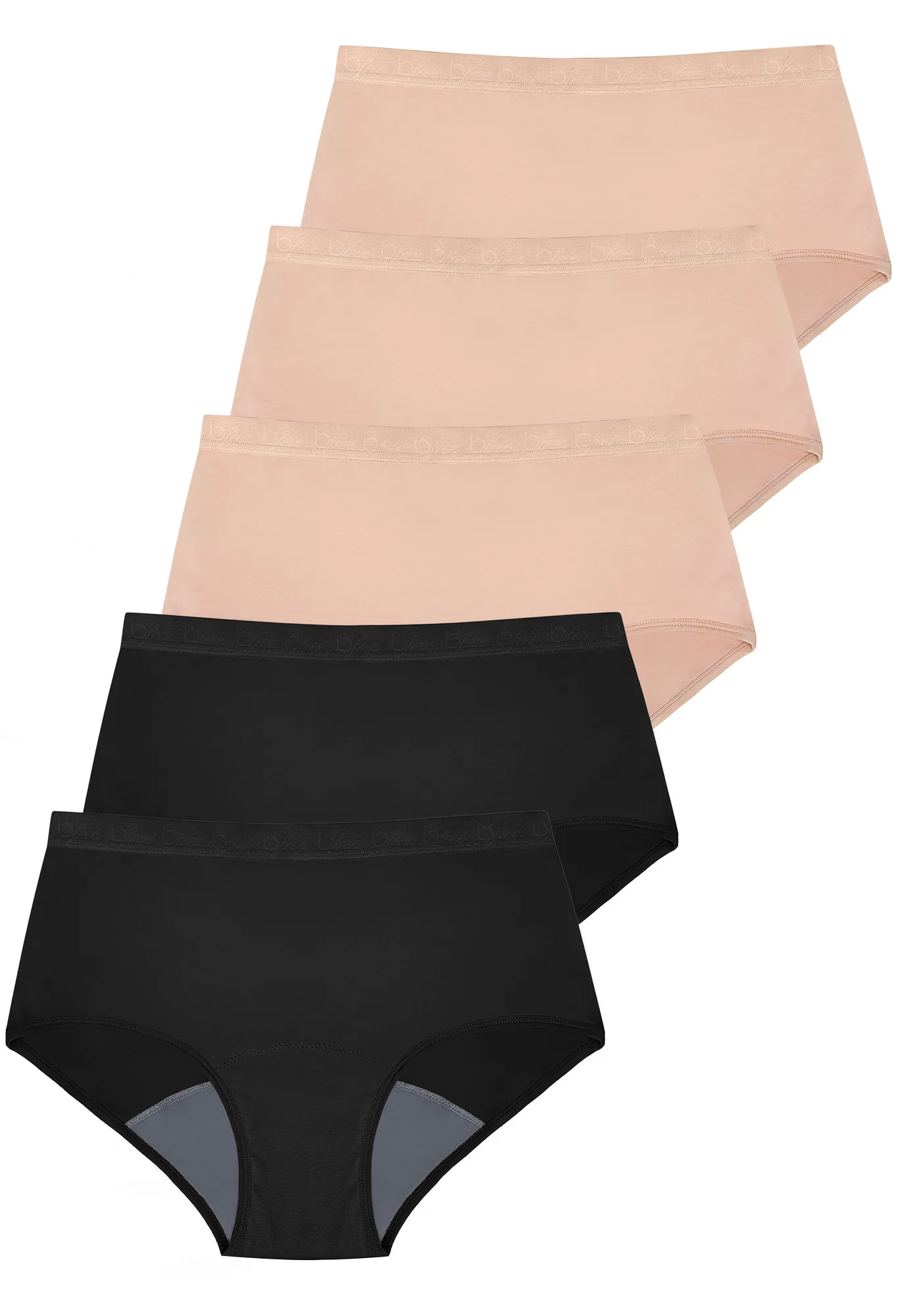
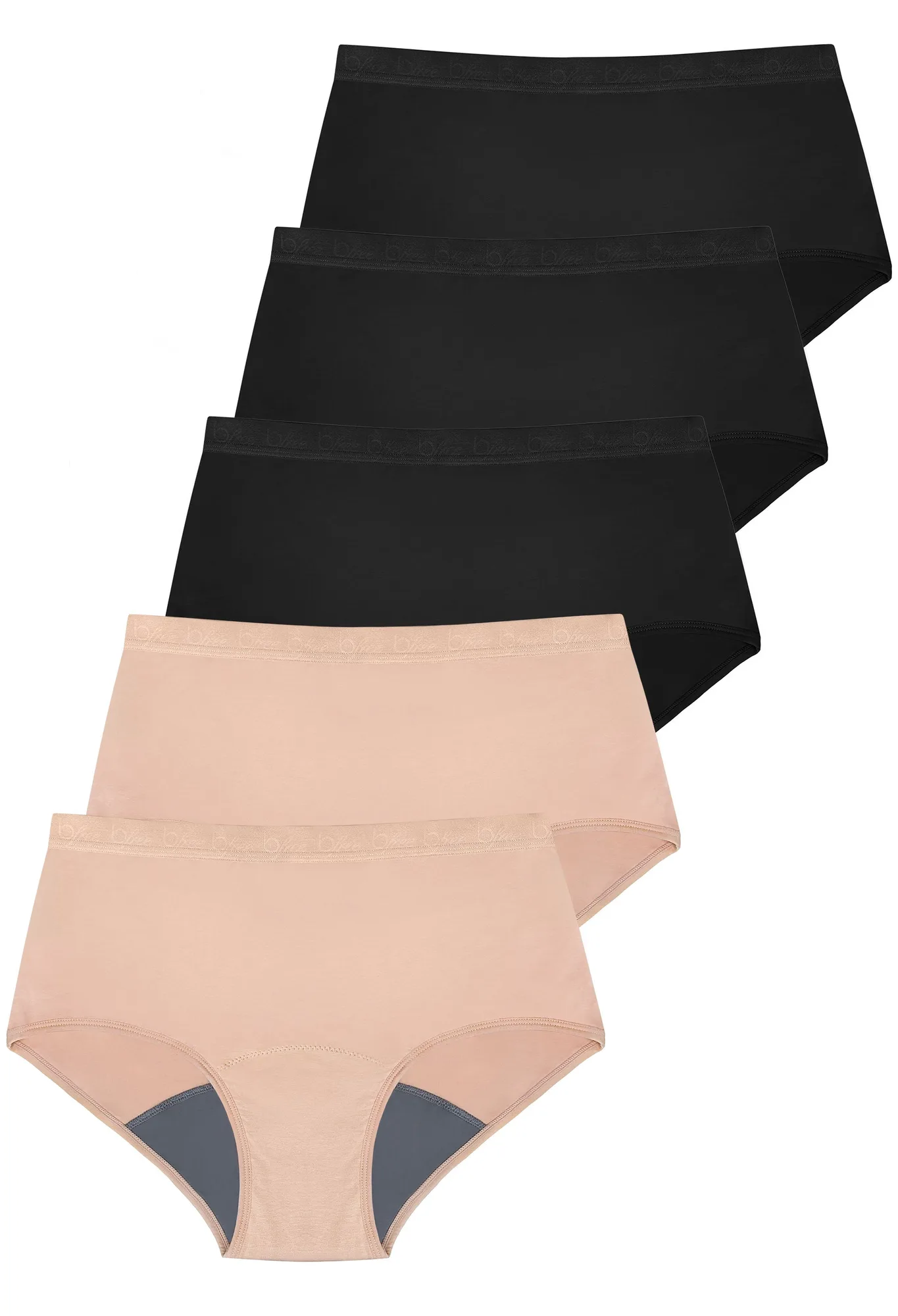
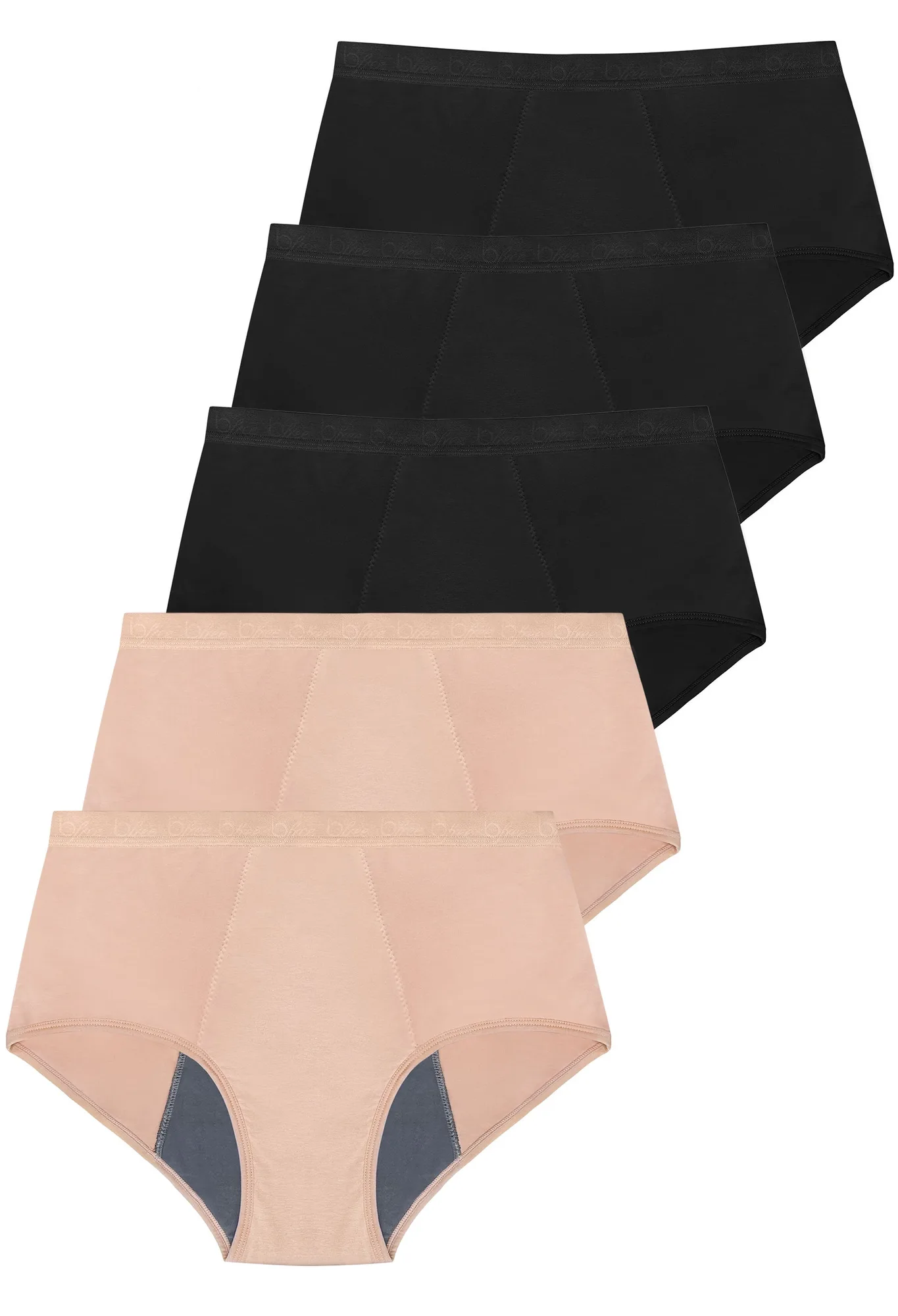
Match absorbency to the leak, not to the label: light bladder leakage underwear handles drips and small spurts, while heavier flow needs a higher-capacity product. Prioritise a snug, flat waistband and full-coverage gusset over cuteness. If your main issue is thigh rub rather than urine, a cotton-rich anti-chafing short is the smarter buy.
Start with the leak, then pick the absorbency
Buying the wrong absorbency is the most common mistake. A product built for heavy flow feels bulky and hot for a light sneeze-leak; a light product fails during a full bladder urge. Track your leaks for three days: note whether they happen with coughing, laughing, exercise, or on the way to the toilet, and roughly how much fabric gets wet. That pattern tells you whether you need light bladder leakage underwear or a higher-capacity option.
Leak proof underwear absorbency is usually described in drops, millilitres, or light-to-heavy bands. Use the band as a starting point, not a guarantee. If you are between bands, size up in absorbency rather than down in fit, because a loose gusset shifts and leaks at the edges.
Sizing: measure your hips, not your dress size
Incontinence underwear sizes rarely match your jeans size. Measure your hips at the fullest point and compare that number to the brand's chart, then check the rise. A high-rise waistband stays put when you bend and does not roll under a belly. If you are between sizes, choose the larger size for daytime comfort and the smaller size only if the brand's fabric has strong stretch and you need extra compression.
Fit problems show up as leaks at the leg opening, a waistband that digs in, or a gusset that bunches. None of those are solved by adding a pad on top; they are solved by changing size or style.
Discretion comes from fabric and seams, not just thinness
Discreet incontinence underwear should disappear under leggings and work trousers. Look for flat seams, a wide covered waistband, and a gusset that does not crackle. Cotton-rich or cotton-blend fabrics breathe better than solid synthetic shells, which matters if you wear the same pair for a full workday.
If you want one garment that covers both light leakage and thigh chafing, a seamless cotton-blend short with full midsection coverage does double duty. That is where a product like the Post Surgery Underbust Shorts | Seamless Cotton Blend fits: it is designed for full midsection coverage and gentle support, and the brand notes that suitability for any specific recovery need should be discussed with your healthcare provider.
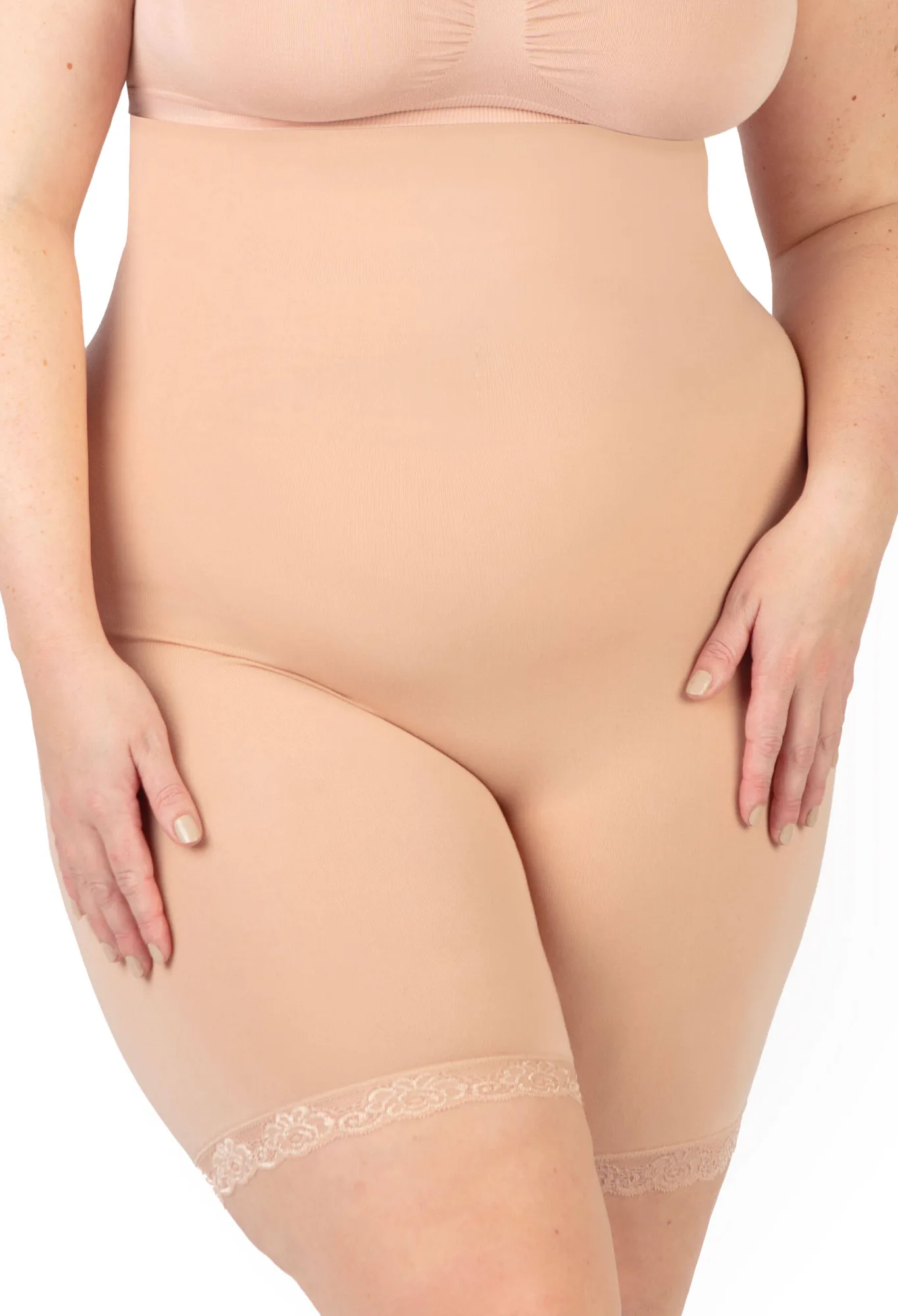
Post Surgery Underbust Shorts | Seamless Cotton Blend
Washable vs disposable: the real trade-off
Washable incontinence pants cost more upfront but replace repeat purchases, and they feel more like normal underwear. The trade-off is laundry: you need a rinse-and-wash routine that fits your week, and you need enough pairs to cover wash day. Disposables win for travel, hospital stays, and unpredictable heavy days.
A practical middle path is a small core of washable pairs for daily light leakage plus a few disposables for backup. That keeps cost and waste down without leaving you short on a bad day.
When anti-chafing shorts are the better buy
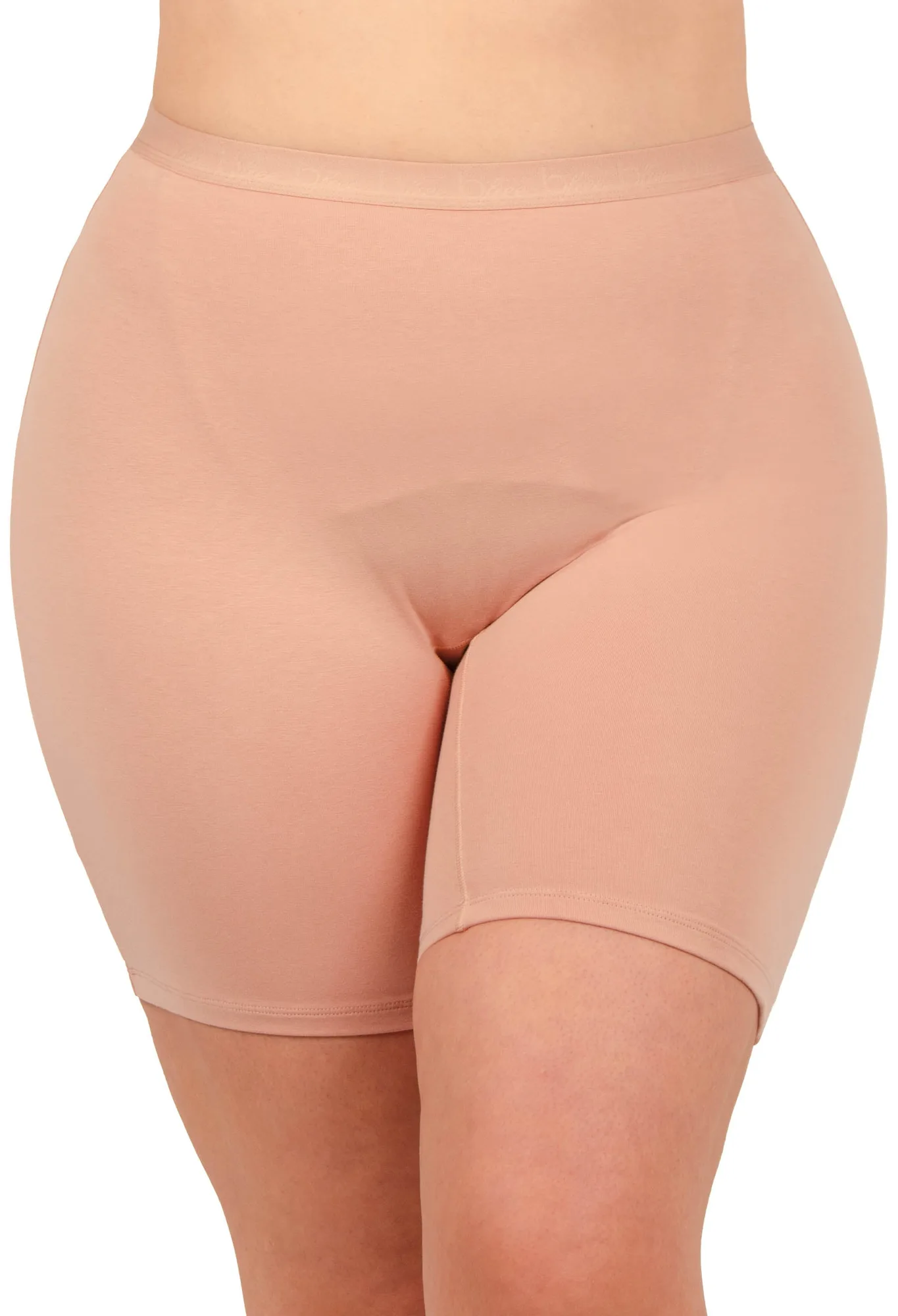
Not every uncomfortable day is a bladder-leak day. If your issue is thigh rub under dresses, or you want light coverage and breathability rather than absorbency, an anti-chafing short is more comfortable and less expensive than a leak-proof garment. Cotton-rich fabric with over 70% cotton fibres creates a cool, breathable layer and prevents thigh rub, which is exactly what you want under a summer dress.
Maternity anti-chafing shorts are also useful postpartum and during recovery, when skin is sensitive and you want a high rise that does not press on a caesarean line or a tender midsection. Choose a shorter length under short hemlines and a mid-length under skirts where you want more coverage.
Decision rules for buying incontinence underwear
- If leaks are drips or small spurts: Choose light bladder leakage underwear with a thin gusset and a snug leg opening. Avoid heavy-absorbency styles, which feel bulky for this level. Light absorbency, snug fit, cotton-rich fabric.
- If leaks happen with urgency or full bladder: Choose a higher absorbency band and a full-coverage gusset. Test at home before wearing it to work or on a long outing. Size up in absorbency, not down in fit.
- If you need it under leggings or work trousers: Look for flat seams, a wide covered waistband, and no crackle. A seamless cotton-blend short with full midsection coverage is the most discreet option. Discretion is a fabric and seam decision.
- If your main problem is thigh rub, not urine: Skip leak-proof underwear and buy cotton-rich anti-chafing shorts instead. They are cooler, cheaper, and designed for exactly that job. Match the garment to the actual problem.
- If you are postpartum or post-surgery: Choose a high-rise waistband that sits above a tender area, and check with your healthcare provider about whether a support garment is suitable for your recovery. Comfort first, then confirm suitability with your provider.
Products that solve the leak-and-rub problem
- 3 Pack Lightweight Wire Free Pregnancy Bra + Band Extender Set: A 3-pack of lightweight wire-free pregnancy bras with a band extender, designed for the size changes that happen through pregnancy and post-maternity. If you are buying leak-proof underwear for pregnancy or postpartum, your bra size is likely changing too. A pack with an extender avoids rebuying bras at every stage.
- Maternity Anti Chafing High Rise Petite Cotton Rich Shorts: High-rise petite cotton-rich anti-chafing shorts in a shorter length, made to prevent thigh rub with breathable cotton-rich fabric. A better choice than leak-proof underwear when the problem is chafing, not bladder leakage, and you want something invisible under shorter hemlines.
- Maternity Anti Chafing High Rise Petite Cotton Rich Shorts - 3 Pack: The same high-rise petite cotton-rich anti-chafing shorts in a value 3-pack with over 70% cotton fibres for a cool, breathable layer. Buying three pairs at once covers wash day and lowers the cost per wear if you plan to wear them daily.
Who this guide is for
Best for
- Women with light bladder leakage who want washable, discreet everyday underwear
- Anyone comparing absorbency levels before buying leak-proof underwear
- Postpartum and post-surgery shoppers who need high-rise coverage and gentle support
Not for
- Heavy or unpredictable flow that needs a medical continence assessment
- Anyone whose main issue is thigh chafing rather than leakage
- Shoppers looking for a disposable-only solution for travel or hospital use