Quick Answer
To choose a massage oil for sensitive skin, prioritize simple, natural ingredient lists, avoid common irritants like artificial dyes and parabens, and always patch test a new oil before a full massage.
Why Ingredient Lists Matter More Than Labels
Marketing terms like 'gentle' or 'natural' aren't regulated, so the real proof is in the ingredient list. For sensitive skin, shorter lists with recognizable plant oils are usually safer because there are fewer potential triggers.
Artificial dyes and parabens are common culprits for irritation. Choosing a massage oil that explicitly avoids these can reduce the risk of a reaction, even if your skin isn't formally diagnosed as sensitive.
The Role of Fragrance in Skin Reactions
Fragrance, even natural essential oils, can cause contact dermatitis in some people. If you know you react to scents, look for an unscented oil or one with a very mild, natural aroma from essential oils rather than synthetic perfumes.
Lavender and vanilla are popular calming scents, but they are still fragrant. If you've never used them, treat them like any new product and test a small area first.
Steps to Choose Your Massage Oil
- Read the ingredient list: Look for a short list of recognizable plant oils (like jojoba, sweet almond, or pistachio) and avoid synthetic additives, parabens, and artificial dyes. If you see a long list of chemical-sounding names, it's a red flag for sensitive skin.
- Identify your allergens: Note any known allergies, such as nuts (sweet almond oil) or specific essential oils. Choose a product that avoids those specific ingredients. When in doubt, choose a product with fewer ingredients to minimize allergy risks.
- Do a patch test: Apply a small amount of the oil to a small area of skin (like your inner forearm) and wait 24 hours to check for any redness, itching, or irritation. A patch test is non-negotiable for sensitive skin, even with 'natural' products.
- Consider the texture: For sensitive skin, a lightweight, quickly absorbing oil is often better than a heavy one that can feel greasy and potentially clog pores. If you dislike a heavy residue, look for an oil that claims to be 'quickly absorbing'.
- Evaluate the scent: If you are sensitive to fragrance, choose an unscented oil or one with a very subtle natural scent from essential oils. Avoid strong synthetic perfumes. A calming scent is a bonus, but only if it doesn't irritate your skin.
Sensitive-Skin Friendly Options
-
Vanilla Massage Oil: The Vanilla Massage Oil is packed with natural pistachio, sweet almond, jojoba, and passion fruit oils. These natural plant oils are known for their nourishing and soothing properties, making this a good option for dry, sensitive skin.
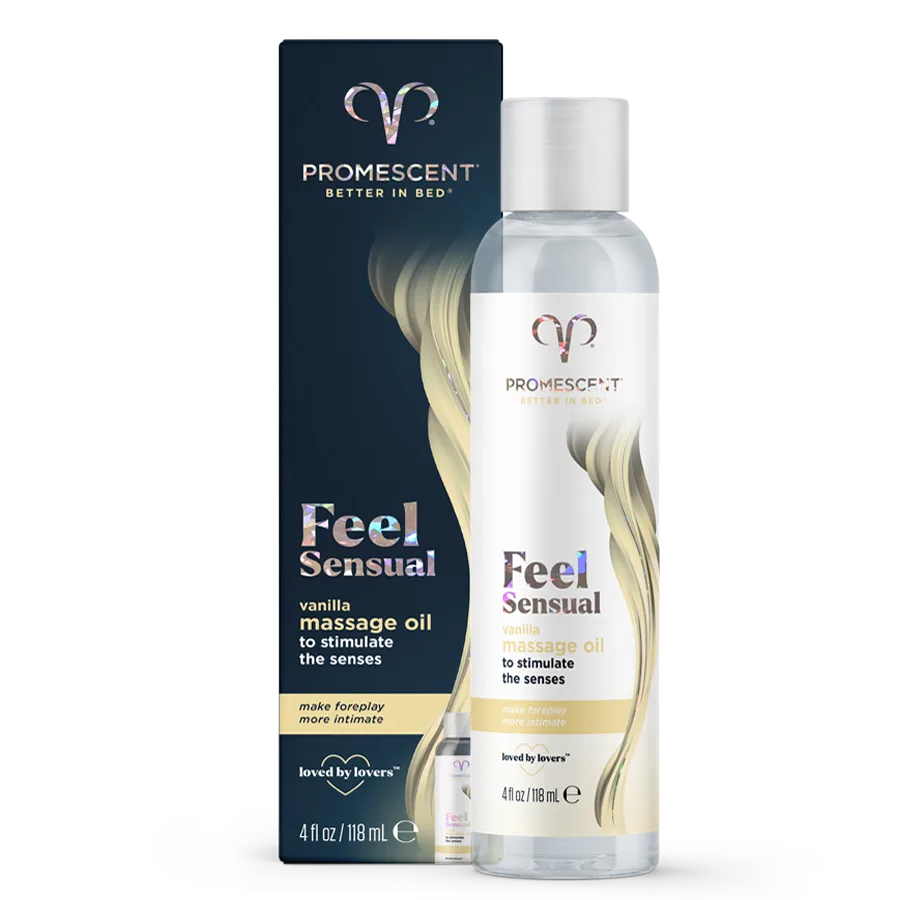
Vanilla Massage Oil
-
Lavender Massage Oil: The Lavender Massage Oil is lightweight, quickly absorbing, and crafted without parabens or artificial dyes. Avoiding these common irritants makes it a safer choice for sensitive skin, and the quick absorption means less residue on your skin.
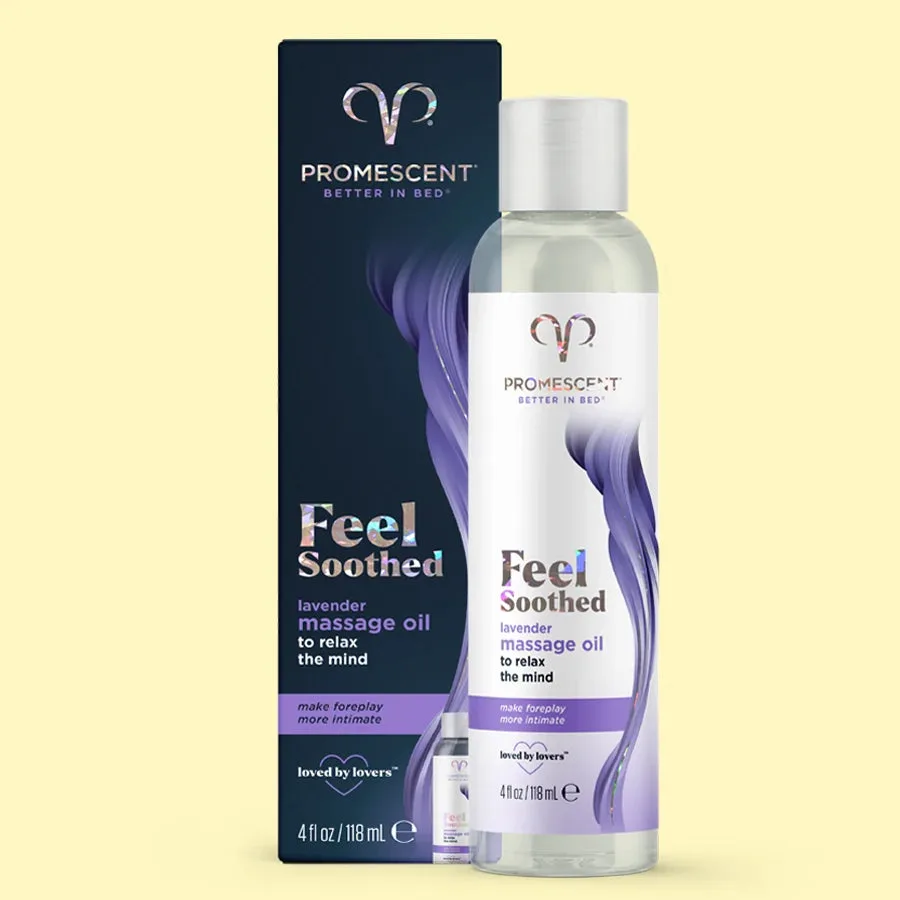
Lavender Massage Oil