Quick answer
The best sippy cup for babies is one that matches your child's current drinking skills, not their age on the calendar. Start with a small, two-handled cup with a free-flow or soft spout if your baby is just leaving the bottle, then move to a straw or spoutless cup as their sipping and swallowing coordination improves. Look for BPA-free materials and a size that fits small hands and your diaper bag.
Match the spout to your baby's drinking skills
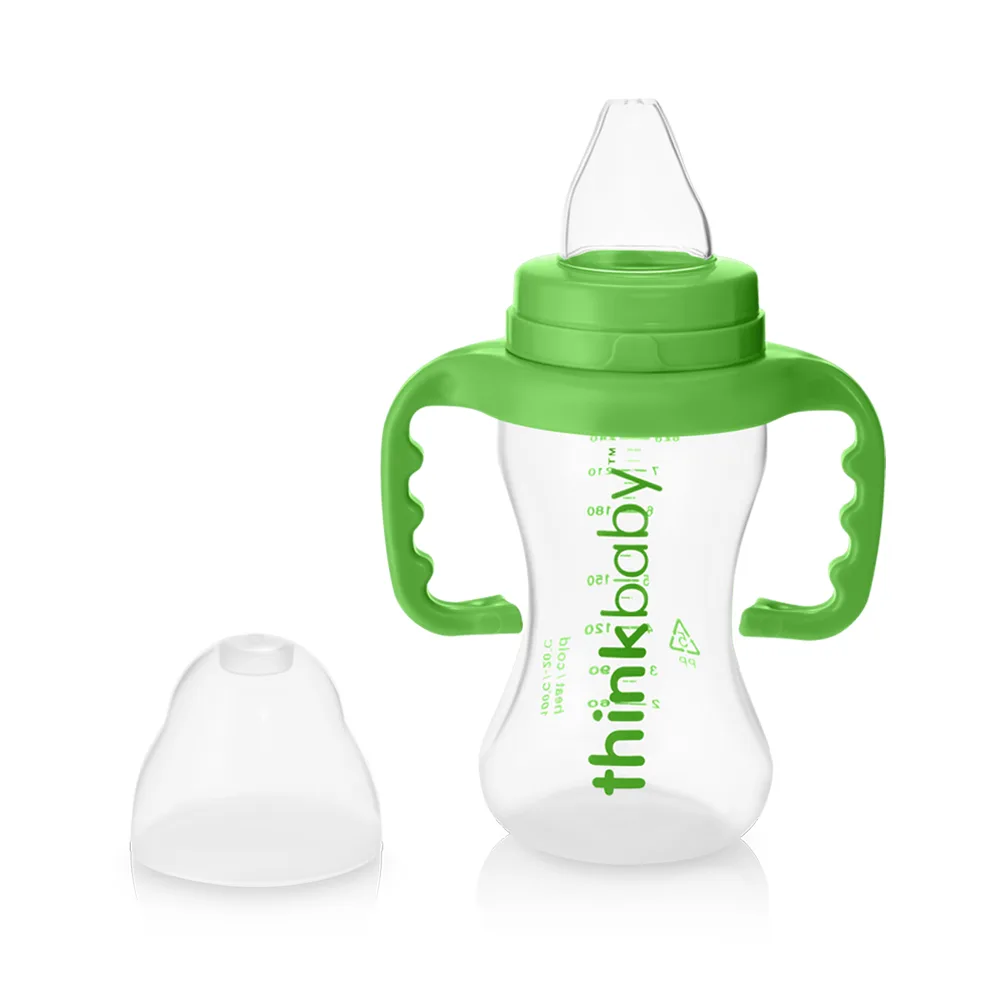
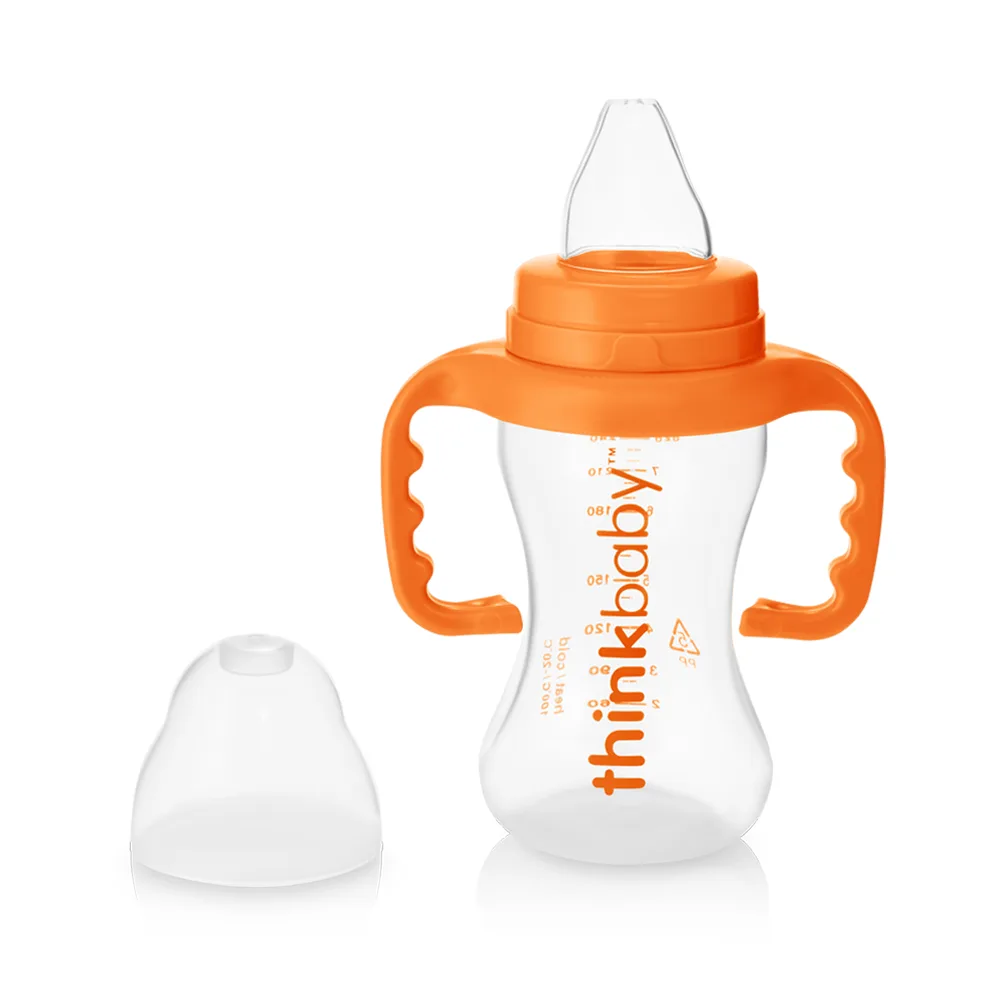
Sippy cups are not one-size-fits-all. The spout controls how fast liquid comes out, and that speed should match your baby's ability to swallow without coughing or gulping air. A soft silicone spout with a slow flow is usually the easiest first step after bottles because it feels familiar and gives small sips. A hard spout with a valve offers more resistance and can be frustrating for beginners. Free-flow cups without a valve teach real sipping but require more supervision because liquid can spill. If your baby is already comfortable drinking from a straw, a straw cup or spoutless cup is a better next step than staying on a spout for months.
Check materials and safety details that matter daily
A BPA-free sippy cup is a reasonable baseline, but it is not the only chemical to check. Look for cups that also state they are free of phthalates, PVC, and melamine, especially if the cup will be used for warm liquids or washed frequently. Stainless steel interiors avoid the scratching and clouding that can happen with some plastics over time, and they do not hold onto flavors or odors. Plastic cups are lighter and often cheaper, but inspect them for cracks or deep scratches and replace them when the surface breaks down. Whichever material you choose, confirm that all parts are dishwasher-safe if you plan to wash them that way, and check whether the valve or spout can be fully taken apart for cleaning.
Plan the transition from bottle to sippy cup
The transition from bottle to sippy cup works best when you introduce the cup at a low-pressure time, like a snack or midday meal, rather than the first or last bottle of the day. Keep the familiar bottle for comfort while your baby practices the new skill. Offer the cup with a small amount of water or milk, and let your baby hold it with both hands. Expect some spills and some refusal. If your baby consistently pushes the cup away, try a different spout style before deciding they are not ready. Most children move through several cup styles before settling on a favorite, so a cup that fails at 9 months may work well at 12 months.
Decide between a sippy cup, straw cup, and spoutless cup
The sippy cup vs straw cup question depends on what you want your child to practice. Sippy cups with spouts are easier for beginners because they rely on a suckling motion similar to breastfeeding or bottle-feeding. Straw cups build a different set of muscles and are often recommended by pediatric dentists because they keep liquid away from the front teeth. Spoutless cups, which have a rim instead of a spout, mimic an open cup and help children learn to sip from an edge. Many parents use a mix: a spout cup for the early transition, a straw cup for travel and stroller use, and a spoutless cup for meals at the table. There is no rule that says you must pick only one.
Size, handles, and portability for real life
A cup that holds 200 ml (7 oz) is a practical size for most babies and toddlers because it is not too heavy when full and does not waste a lot of milk if your child only takes a few sips. Handles help younger babies grip with two hands, but removable handles make the cup easier to fit into cup holders and diaper bag pockets later. If you plan to send the cup to daycare or preschool, check whether the lid seals well enough to survive a backpack. Some cups have handles that detach and can be clipped to a bag, which reduces the chance of losing them. Weight matters too: a full stainless steel cup is heavier than a plastic one, so a smaller capacity may be easier for a young toddler to lift independently.
Decision rules for choosing a sippy cup
- If your baby is just leaving the bottle: Choose a small cup with a soft spout and two handles, around 200 ml or less. Offer it at snack time, not when your baby is hungry or tired. Prioritize familiarity and easy gripping over leak-proof complexity.
- If your baby coughs or gulps when drinking: Switch to a slower-flow valve or a straw cup. A free-flow spout may be too fast until swallowing coordination improves. Flow rate is the first thing to adjust when drinking is messy or uncomfortable.
- If your toddler is already drinking from a straw: Move to a straw cup or spoutless cup for meals. Keep a spout cup only for travel if it is easier to pack. Do not keep a spout longer than it is useful; straw and open cups build different skills.
- If you want one cup for home and daycare: Pick a cup with a lid that seals, a capacity under 300 ml, and parts that come apart for thorough washing. Check that the handle can detach or clip to a bag. Portability and cleanability matter as much as the spout style once your child is mobile.
Product facts to consider
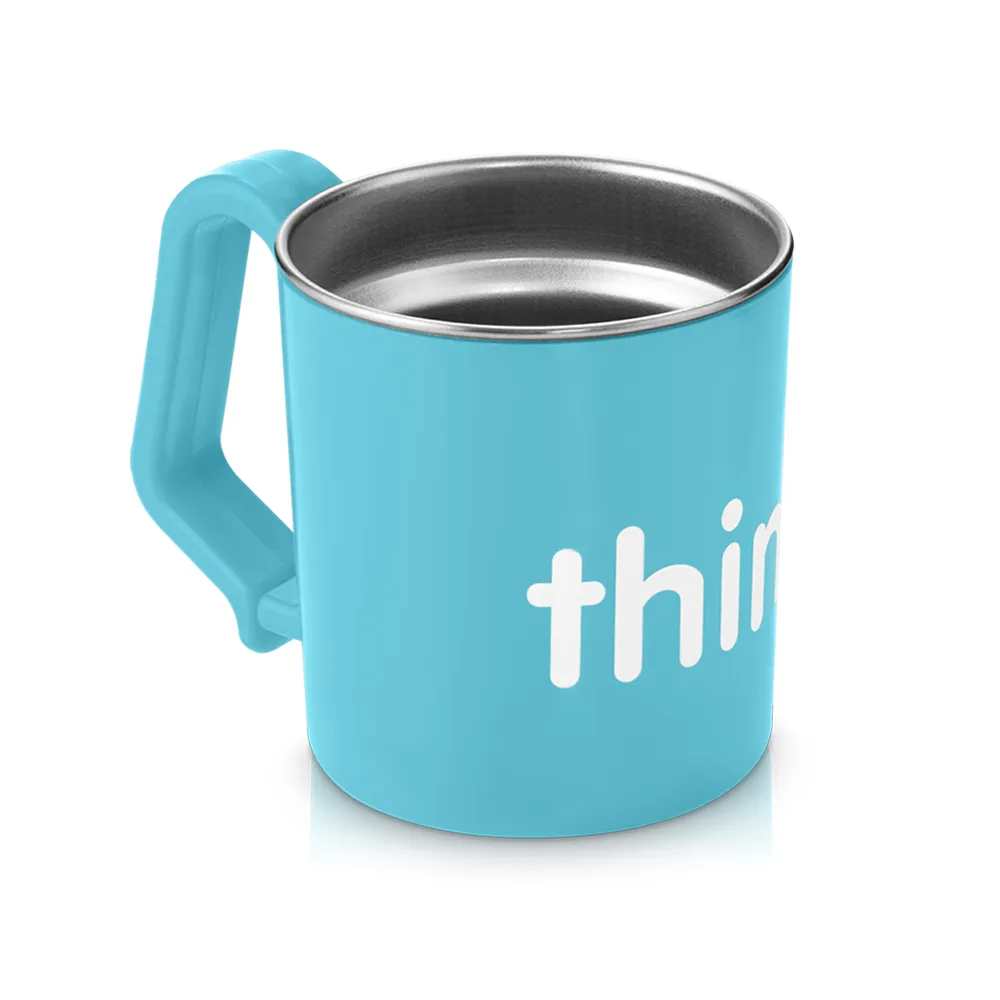
- BPA Free Think Cup - Lt. Green: BPA Free Think Cup - Lt. Green is designed for beginning cup drinking, holds 200 ml / 7 oz, and has a handle with a small break at the base that separates so you can attach it to a travel bag. The 7 oz capacity is light enough for early sippers, and the detachable handle helps prevent loss on the go.
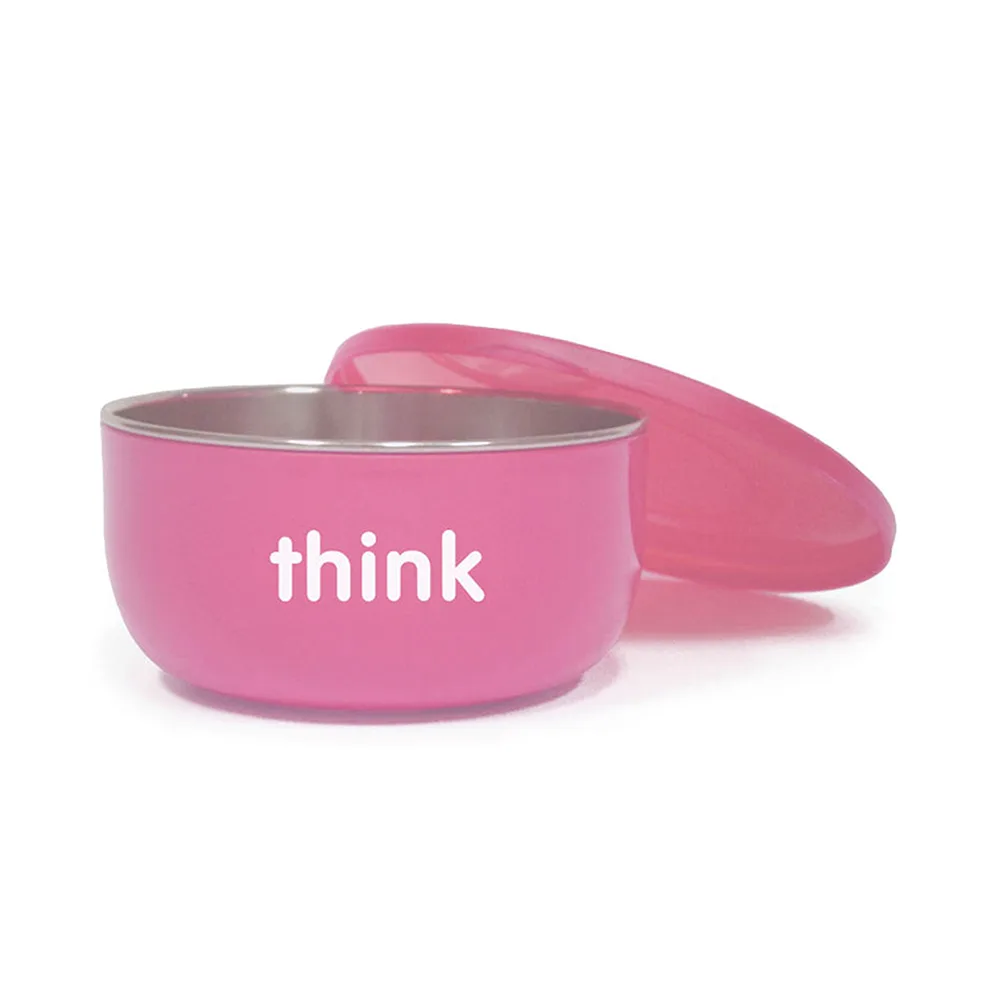
- BPA Free Baby Bowl - Orange: BPA Free Baby Bowl - Orange is made without BPA, phthalates, melamine, PET, or biologically harmful chemicals. If you are already avoiding these chemicals in bowls, matching your cup to the same material standard keeps your feeding routine consistent.
- The Complete BPA Free Feeding Set - Lt. Blue: The Complete BPA Free Feeding Set - Lt. Blue includes a bento box, soup bowl, baby bowl, and kids cup, all free of BPA, phthalates, nitrosamines, lead, PVC, PET, and melamine. A set gives you a cup and bowls that share the same material safety profile, which simplifies shopping and cleaning.
Who this guidance fits
Best for
- Parents transitioning a baby from bottle to cup who want a staged approach
- Caregivers looking for a BPA-free sippy cup that is easy to clean and pack
- Families who want to mix spout, straw, and spoutless cups instead of committing to one style
Not for
- Parents looking for a single cup that will work from 6 months through preschool without changing styles
- Babies who are not yet showing signs of readiness for cup drinking, such as sitting up with support and showing interest in liquids other than breast milk or formula