Quick answer
Match thin socks to snug shoes like sneakers and loafers, and thick socks to roomy boots or cold-weather footwear. Your shoe fit and activity level are the deciding factors.
Why thickness matters for fit and comfort
Sock thickness directly changes how your shoe fits. A thick sock in a tight shoe can pinch toes and cause blisters, while a thin sock in a loose boot can lead to slipping and heel rubbing. The goal is a snug but not cramped feel.
Fabric also plays a role. Organic cotton socks, like those from ARQ – ARQ, offer breathability and softness, but the construction — rib knit or jersey — affects how much the sock compresses under foot. Thicker knits provide more cushioning, while thinner knits sit closer to the skin.
When to choose thin socks
Thin socks are ideal for low-profile shoes such as canvas sneakers, driving moccasins, loafers, and ballet flats. They preserve the original fit of the shoe and reduce bulk around the toe box.
A common mistake is wearing thick socks with fashion sneakers, which can stretch the upper or make the shoe feel too tight. Thin socks also work well in warmer weather because they allow more airflow.
When to choose thick socks
Thick socks are best for boots — ankle boots, combat boots, hiking boots, and winter boots. They add cushioning, fill extra space in a roomier fit, and provide warmth. Crew-length thick socks also protect your calves from boot chafing.
Avoid thick socks with dress shoes or formal oxfords, as they can make the shoe look bulky and feel cramped. If you need warmth in dress shoes, look for a mid-weight sock instead.
Step-by-step guide to choosing sock thickness
- Check your shoe fit: Put on the shoe without a sock and note how much space remains around your toes and heel. If there is less than a thumb's width of space, you need a thin sock. If there is more than a thumb's width, a thick sock will fill the gap comfortably. A common mistake is guessing the fit; always test with the sock you plan to wear.
- Match thickness to shoe type: Use thin socks with sneakers, loafers, flats, and any shoe with a low profile or snug fit. Use thick socks with boots, hiking shoes, and any footwear designed for cold weather or extra room. Avoid thick socks in dress shoes — they can cause pinching and look sloppy.
- Consider your activity and climate: For active use like walking or hiking, thick socks add cushioning and reduce impact. For casual daily wear or warm climates, thin socks keep your feet cooler and prevent sweating. If you run hot, thin socks year-round may be more comfortable even with boots.
- Test the sock-shoe combo before committing: Wear the socks around the house for 10 minutes with the intended shoes. Walk, squat, and stand. If you feel pressure points or slipping, adjust the thickness or try a different sock style. This step prevents blisters and discomfort before you go out.
Sock options from ARQ – ARQ
-
THIN SOCK, jean: Eminently wearable and washable low-profile everyday sock with a smooth, dense finish. 74% Organic Cotton, 23% Nylon, 3% Spandex. Fits women’s shoe sizes 6-11. The thin sock works best with sneakers and loafers where you want minimal bulk and a close fit.
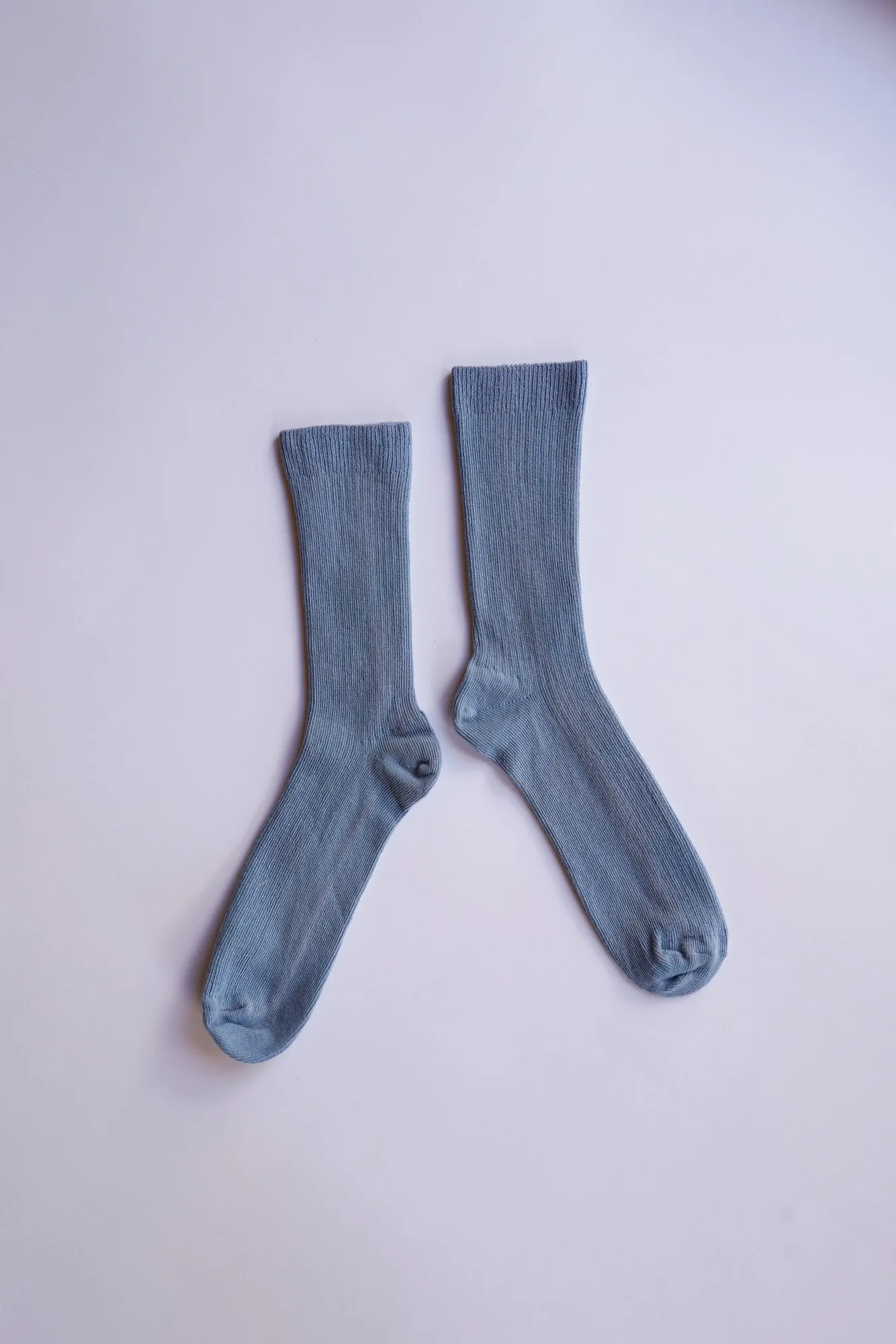
THIN SOCK, jean
-
THICK SOCK, jean: Classic, unisex, everyday cotton crew sock. Soft, substantial, 3x1 rib knit construction. 83% Organic Cotton, 16% Nylon, 1% Spandex. Fits women’s shoe sizes 6-11. The thick sock provides extra cushioning and warmth, making it a natural match for boots and cold-weather footwear.
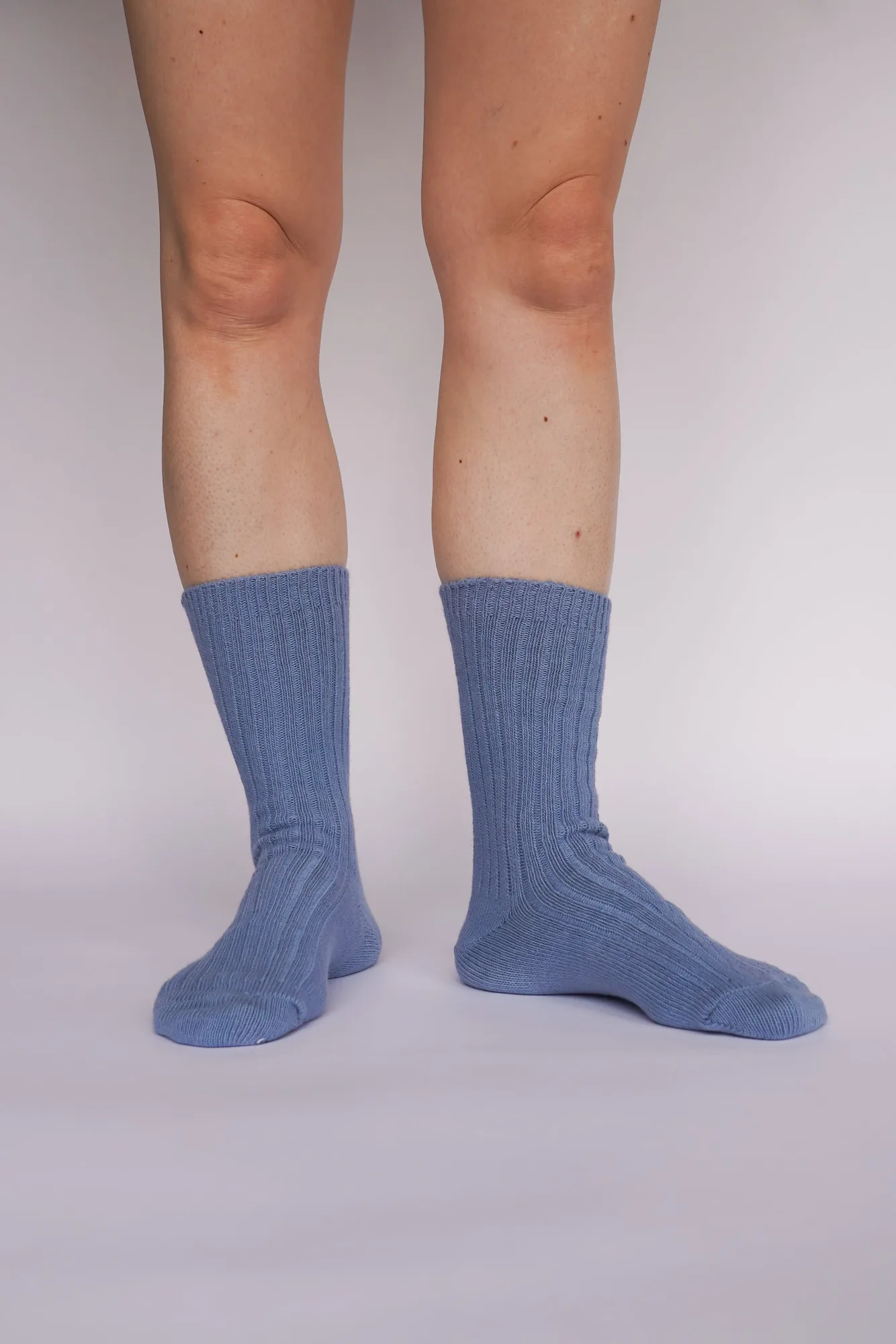
THICK SOCK, jean