Quick Answer
For a first peg puzzle, choose a simple wooden board with large knobs and chunky pieces that match a familiar theme, like animals or vehicles. For 1-year-olds, look for puzzles with only a few pieces and easy-to-grip pegs; for 2-year-olds, you can introduce more pieces and self-correcting features to build confidence.
Peg puzzles are a classic first puzzle for toddlers because they combine fine motor practice with early problem-solving. But not all peg puzzles are equal: the right one depends on your child's age, grip strength, and attention span. Here's how to choose a peg puzzle that will engage your toddler without causing frustration.
You'll want to consider safety, piece size, peg design, and the learning goals you have. Whether you're buying a first puzzle for a 1-year-old or a more challenging set for a 2-year-old, these guidelines will help you match the puzzle to your child's development.
Age and Skill Considerations
For toddlers around 12 to 18 months, the best peg puzzles have large, chunky pieces with easy-to-grip pegs. Look for puzzles with 3 to 5 pieces that depict familiar objects like animals or everyday items. At this age, toddlers are still developing their pincer grasp and hand-eye coordination, so oversized pieces are essential.
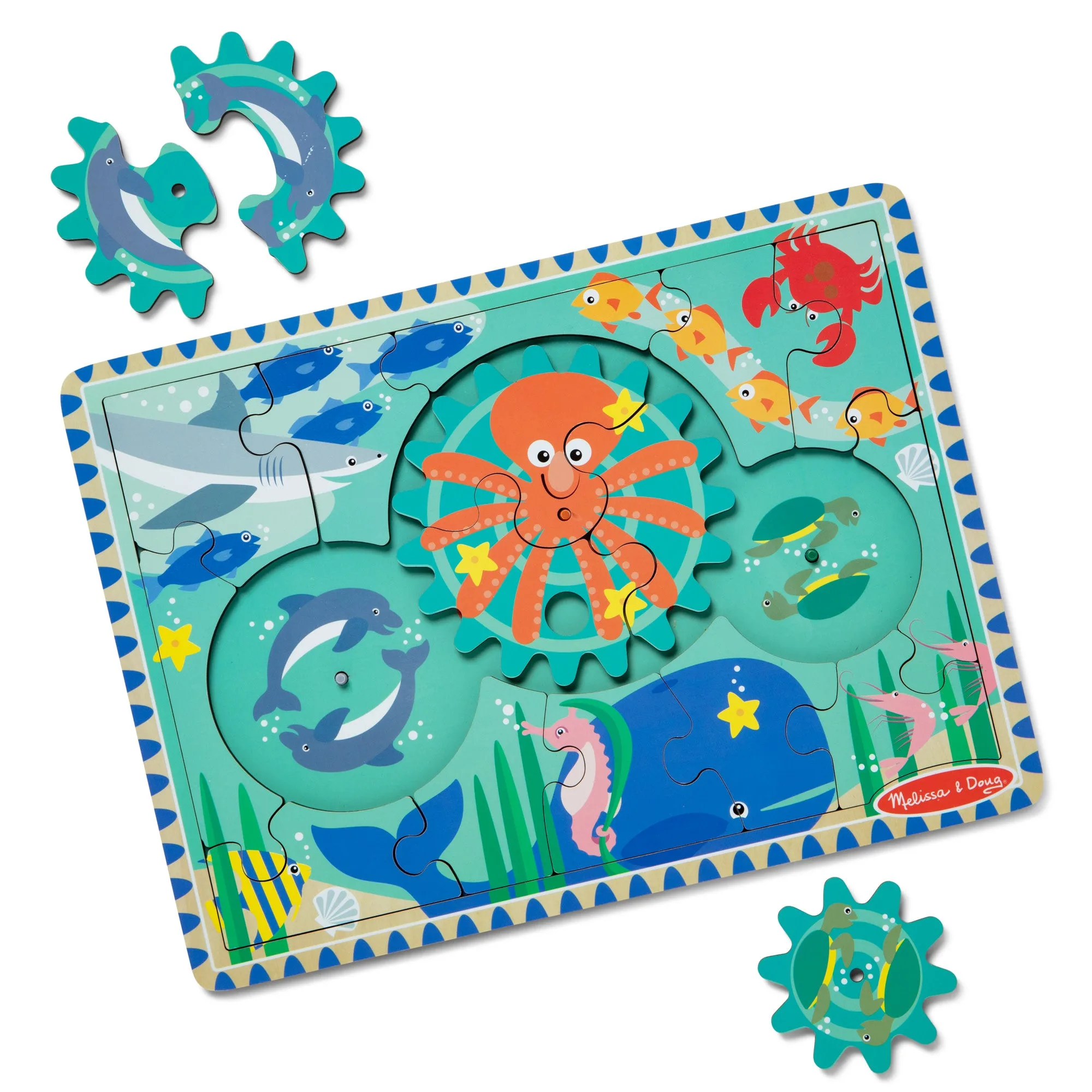
Between 18 and 24 months, toddlers can handle puzzles with more pieces (6 to 8) and smaller pegs. They start to understand that each piece has a specific spot, so self-correcting puzzles—where each piece fits only its own slot—are ideal. This builds confidence and encourages independent play.
- Always check for smooth edges and non-toxic finishes, especially if your toddler still mouths toys.
- If your child gets frustrated, step back and let them watch you complete the puzzle once—then let them try again.
Choosing Themes and Interests
Peg puzzles come in a wide range of themes, from animals and vehicles to letters and numbers. Choose a theme that matches your toddler's current interests to keep them engaged. For example, a child who loves farm animals will be more motivated to complete an animal puzzle.
Themes also offer learning opportunities. Alphabet puzzles introduce letter recognition, while number puzzles can help with counting. For very young toddlers, simple shapes and colors are great starting points.
- Rotate puzzles every few weeks to keep interest high.
- Don't limit to one theme—variety supports vocabulary development.
Safety and Durability
Wooden puzzles are durable and eco-friendly, but quality varies. Look for puzzles made from sturdy wood with non-toxic paints and finishes. Ensure pieces are large enough to prevent choking, and check that pegs are securely attached.
Avoid puzzles with small detachable parts or rough edges. If a puzzle has a cloth or fabric element, make sure it's securely sewn and can withstand pulling.
- Inspect puzzles regularly for splinters or loose pegs.
- For toddlers under 3, avoid puzzles with pieces smaller than 1.25 inches in diameter.
Decision Rules for Choosing a Peg Puzzle
- Age 12-18 months: Choose a peg puzzle with 3-5 large, chunky pieces and big pegs. Look for themes like animals or shapes. Ensure pieces are easy to grasp and not a choking hazard. Start with a simple animal or shape peg puzzle.
- Age 18-24 months: Introduce puzzles with 6-8 pieces and smaller pegs. Self-correcting features are beneficial. Consider alphabet or number puzzles if your child shows interest. Look for self-correcting puzzles to build confidence.
- Age 2+ years: Offer puzzles with up to 12 pieces and varied themes. Encourage independent play and problem-solving. Alphabet puzzles like the Self-Correcting Letter Puzzles are excellent. Challenge with letter or number puzzles for learning.
- Safety Check: Always inspect for smooth edges, non-toxic finishes, and secure pegs. Avoid small parts for under-3s. Prioritize safety first.
Product Spotlight
- Self-Correcting Letter Puzzles: Kids can match these wooden puzzle pairs to make mastering letters as easy as A-B-C! A different object illustrates each letter of the alphabet shown in both upper and lower case, and the puzzles are self-correcting because each puzzle piece has only one match that fits. It's a great way for children to play independently and learn at the same time. The puzzle includes 52 high-quality wooden pieces. This puzzle is perfect for older toddlers (around 2.5+ years) who are ready to learn letters. The self-correcting feature lets them practice independently, building confidence and letter recognition.
- Wooden Surprise Gift Box: Box up and unbox fun multi-textured gifts that delight the senses again and again! Fill the cloth-covered wooden box with an adorable happy-faced bear, a crinkling, multi-textured cloth, a squeezable ball with chime, or a cloth book. Close the flaps and it becomes a beautifully 'wrapped' gift with a beautiful bow! Reach in and grasp the items to unbox, and babies will discover their smiling face in the peek-a-boo... While not a traditional peg puzzle, this toy offers a similar 'fit and find' experience for younger toddlers (around 12 months). It encourages grasping and object permanence, making it a great precursor to peg puzzles.
Is a Peg Puzzle Right for Your Toddler?
Best for
- Toddlers aged 12 months and up who are developing fine motor skills.
- Children who enjoy hands-on, screen-free play and need to practice problem-solving.
Not for
- Toddlers who are still mouthing toys heavily and may choke on small pieces—wait until they outgrow that stage.
- Older preschoolers (3+) who may find peg puzzles too simple and need more challenging jigsaw puzzles.
Choosing the right peg puzzle for your toddler comes down to age, skill level, and interests. Start simple, prioritize safety, and let your child's curiosity guide you. With the right puzzle, you'll provide hours of fun and valuable learning.