Quick answer
Choose your SPF based on your skin type: lightweight gels or powders for oily skin, hydrating creams for dry skin, and mineral formulas for sensitive skin. A daily SPF routine should pair broad-spectrum protection with ingredients that address your skin concerns.
Why skin type matters in sunscreen selection
The texture and ingredients in your sunscreen can either support or sabotage your skincare goals. Oily skin types may find heavy creams clogging, while dry skin types may find alcohol-based formulas drying. Matching your SPF to your skin type helps you wear it consistently.
Broad-spectrum protection (SPF 30 or higher) is non-negotiable for everyone, but the delivery system—gel, lotion, balm, or powder—should fit your skin's needs.
Mineral vs. chemical sunscreen: what to know
Mineral sunscreens use zinc oxide or titanium dioxide to sit on top of the skin and reflect UV rays. They are less likely to irritate sensitive skin but can leave a white cast. Chemical sunscreens absorb UV rays and convert them to heat, often feeling more lightweight but potentially causing irritation for reactive skin.
For daily wear, many modern formulas combine both types or use micronized minerals to reduce the white cast. Your choice should balance skin sensitivity, texture preference, and the finish you want.
SPF in your daily routine: layering and reapplication
Apply sunscreen as the last step in your morning skincare routine, before makeup. Use about a quarter teaspoon for your face and neck. Reapply every two hours if you are in direct sun, or use a setting spray or powder SPF for touch-ups over makeup.
If your moisturizer or foundation already contains SPF, you still need a dedicated sunscreen to get adequate protection—most people don't apply enough of a combined product to reach the labeled SPF.
How to choose your SPF: decision rules
- Oily or acne-prone skin: Look for oil-free, non-comedogenic sunscreens labeled 'matte' or 'gel.' Chemical sunscreens with a lightweight texture (like those containing avobenzone or octinoxate) often work well. Avoid heavy creams that may clog pores. A gel-based or powder SPF can help control shine without triggering breakouts.
- Dry or dehydrated skin: Choose a hydrating sunscreen with ingredients like hyaluronic acid, glycerin, or niacinamide. Creamy mineral formulas or balms (like a stick or balm format) can double as a moisturizer. Avoid alcohol-based sprays that can strip moisture. A balm or cream SPF can combine hydration and protection in one step.
- Sensitive or reactive skin: Opt for mineral sunscreens with zinc oxide or titanium dioxide. These are less likely to cause stinging or redness. Look for fragrance-free and hypoallergenic labels. Patch-test any new formula before full-face application. Mineral SPF is the safest bet for sensitive skin, but you may need to try a few brands to find one without a white cast.
- Combination skin: Use a lightweight lotion or fluid sunscreen that hydrates without greasiness. Gel-cream hybrids work well. You can also apply a mattifying primer in the T-zone over the sunscreen. A balanced formula that is neither too heavy nor too drying is key for combination skin.
- Daily SPF routine for all skin types: Apply SPF 30 or higher every morning as the last skincare step. Reapply every two hours if you are outdoors or near windows. For makeup days, use a powder or setting spray SPF for touch-ups. Consistency matters more than the exact SPF number—make it a habit.
Product spotlight
-
Watermelon Glow Niacinamide Dew Balm SPF 45: Watermelon Glow Niacinamide Dew Balm SPF 45 provides broad-spectrum sun protection with SPF 45 and is infused with niacinamide to help brighten and even out skin tone. This balm delivers both sun protection and a dewy, glowing finish, making it a good option for normal to dry skin types that want hydration and a lit-from-within look in one step.
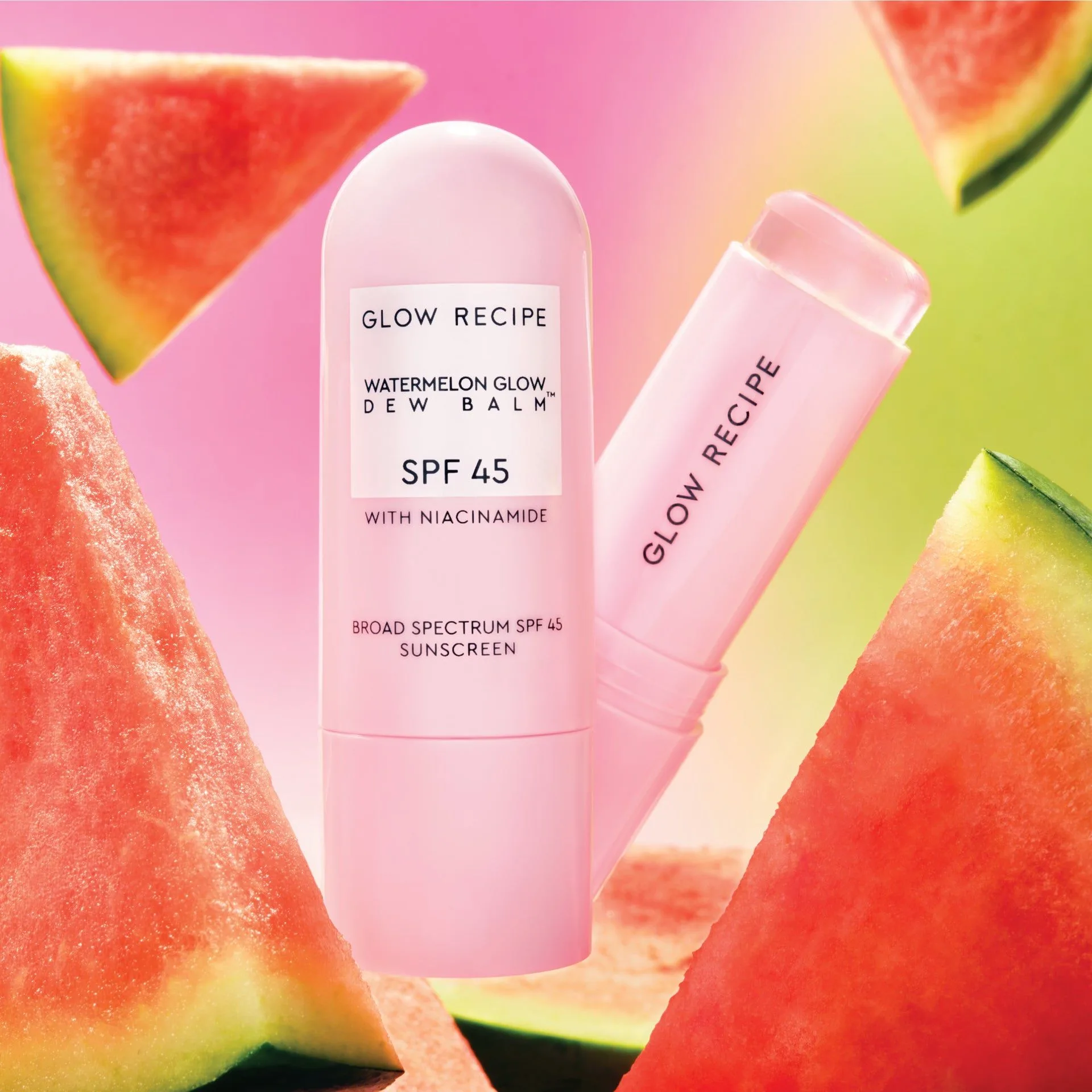
Watermelon Glow Niacinamide Dew Balm SPF 45
Which SPF is right for you?
Best for
- Normal to dry skin that wants hydration and glow in a single step
- Anyone who prefers a balm format that is easy to apply on the go
Not ideal for
- Oily or very acne-prone skin that needs a matte, oil-free finish
- Those who dislike a dewy or glossy finish on the skin