Quick answer
The most effective natural way to clean and deodorize a dish sponge is to wet it and microwave it on high for two minutes, or run it through a hot cycle in the dishwasher. For a no-heat option, soak the sponge in undiluted white vinegar for five minutes. Replace sponges every two weeks regardless of cleaning.
Why natural cleaning matters
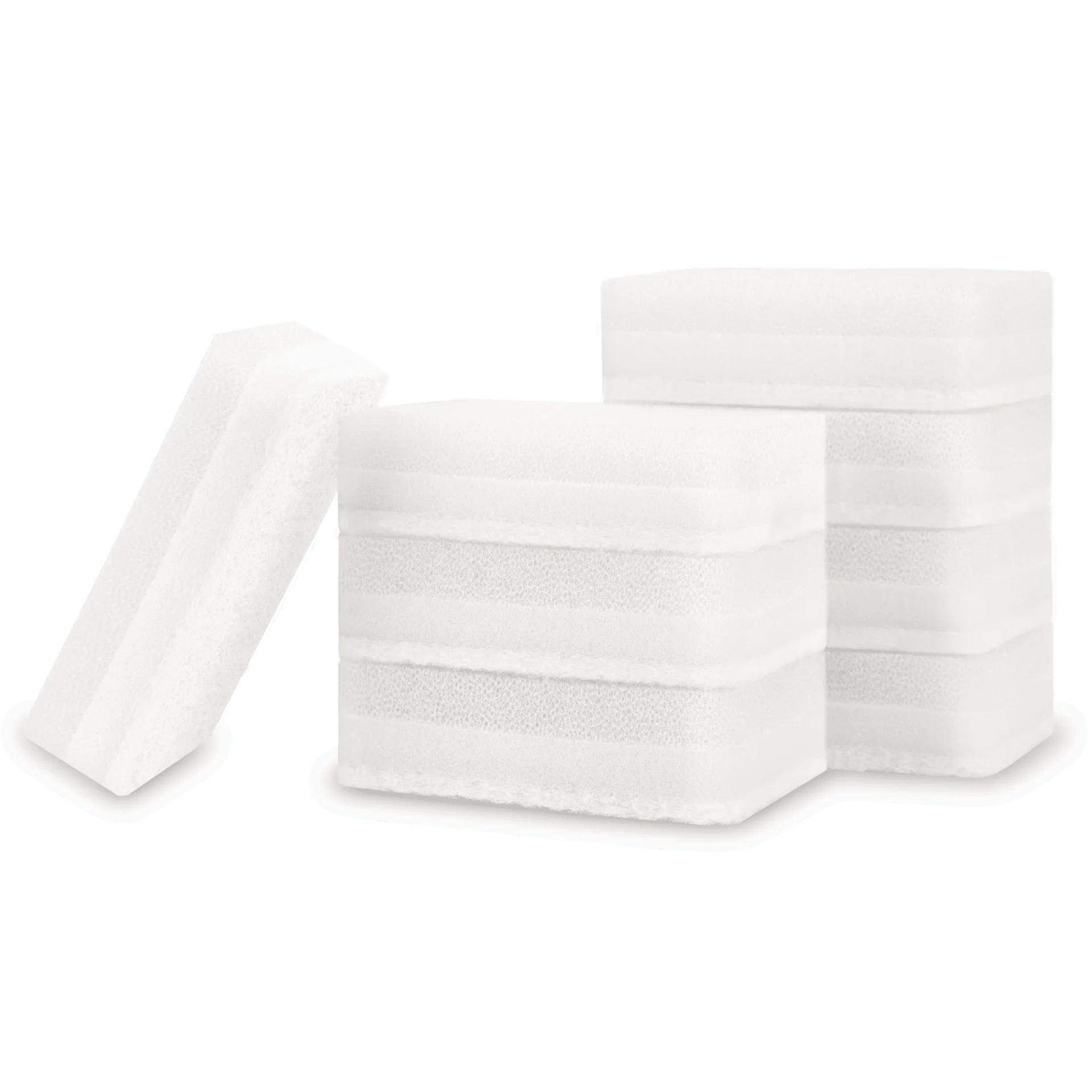
https://stproductsshop.com/products/dish-sponges-75545Dish sponges trap food particles and moisture, making them a breeding ground for bacteria and odors. Harsh bleach or chemical sanitizers can leave residues that contact your dishes. Natural methods—using heat or vinegar—kill germs without introducing unwanted chemicals into your kitchen. These techniques work on standard cellulose sponges and microfiber alternatives alike.
When to clean vs. when to replace
Clean your sponge every few days if you use it daily. A sour smell or visible discoloration means bacteria have taken hold. Even with regular cleaning, sponges wear down and lose their scrubbing ability. Plan to replace them every two weeks, or sooner if they start falling apart. For heavy-duty jobs like scrubbing greasy pans, consider using a dedicated microfiber cleaning cloth that you can toss in the wash.
How to clean and deodorize your dish sponge naturally
- Microwave method: Rinse the sponge thoroughly to remove food debris. Saturate it with water so it is dripping wet—a dry sponge can catch fire. Microwave on high for two minutes. Let it cool completely before handling. Common mistake: microwaving a dry sponge. Always wet it first to prevent burning.
- Dishwasher method: Place the sponge on the top rack of your dishwasher, away from the heating element. Run a full cycle with the heated dry setting. The combination of hot water and drying kills most bacteria and removes odors. Checkpoint: if your dishwasher has a sanitize cycle, use it for extra effectiveness.
- Vinegar soak method: Submerge the sponge in undiluted white vinegar for five minutes. Squeeze it occasionally to work the vinegar into the pores. Rinse thoroughly with hot water and wring out before use. Note: vinegar may not kill all bacteria, but it neutralizes odors effectively. Use this method when you cannot apply heat.
Product recommendations
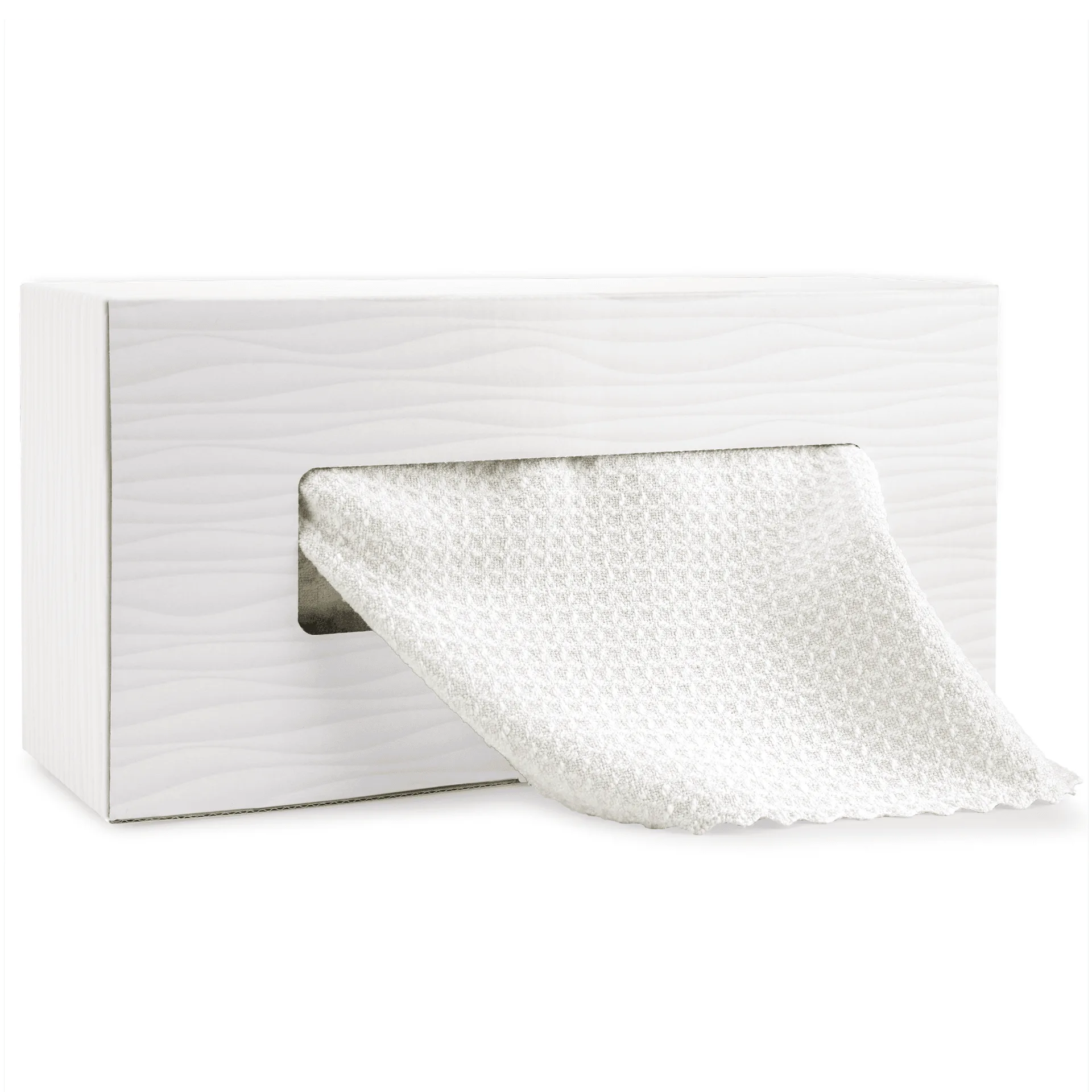
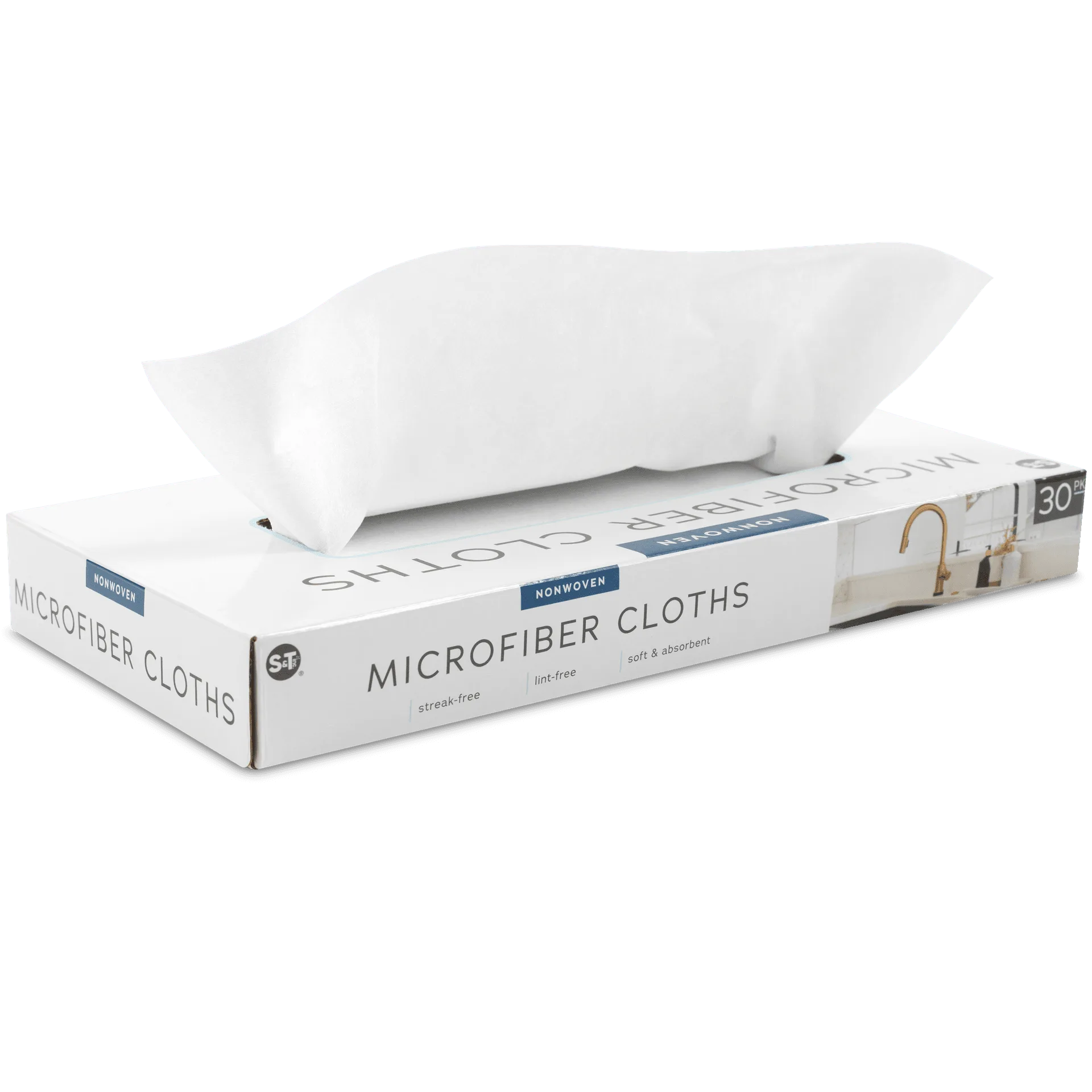
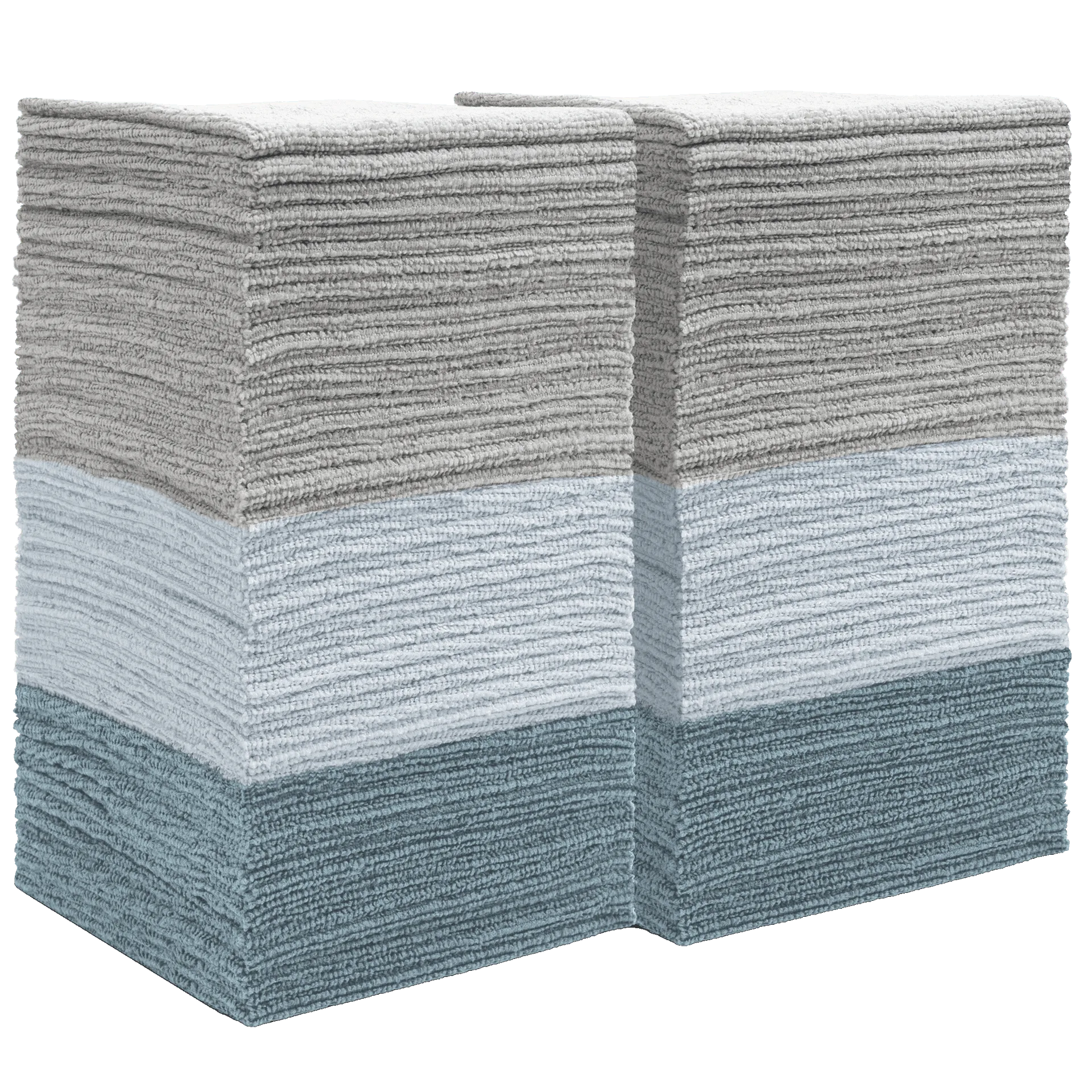
- microfiber cleaning cloths: This pack of 50 https://stproductsshop.com/products/microfiber-cleaning-cloths-75655https://stproductsshop.com/products/microfiber-cleaning-cloths-75659microfiber cleaning cloths is an essential addition to any household's cleaning routine. Their durability and absorbency make them perfect for spills and messes, yet they're gentle on delicate surfaces like glass, mirrors, and screens. Use them in the kitchen, bathroom, garage, or even in your vehicle! The included dispensing box can be reused for a compact and convenient storage solution. Microfiber cloths dry faster than sponges and are machine washable, so they resist odor buildup longer. Keep a stack on hand for tasks where a sponge would hold onto smells, like wiping up raw meat juices or greasy stovetops.