Quick Answer
To clean and disinfect contact lenses, always wash and dry your hands, rub the lens with fresh solution for about 20 seconds per side, rinse it thoroughly, and store it in a clean case filled with new disinfecting solution. Never reuse solution, and replace your case every three months. For colored contacts, the same steps apply, but you must use a solution that is safe for all lens types and avoid any that contain hydrogen peroxide if you have sensitive eyes.
Proper contact lens hygiene is non-negotiable, whether you wear corrective lenses or colored contacts for fun. Skipping the cleaning and disinfection steps can lead to eye infections, discomfort, and even vision-threatening conditions. This guide will walk you through the exact process, highlight common mistakes, and help you keep your lenses—including colored ones—safe and comfortable.
You might think rubbing and rinsing is enough, but disinfection is a separate, crucial step. Many people confuse cleaning with disinfecting, or they cut corners to save time. Here, we break down the entire routine so you can wear your lenses with confidence, day after day.
Why Cleaning and Disinfecting Are Different
Cleaning removes debris, proteins, and lipids that accumulate on the lens surface during wear. Disinfecting kills microorganisms like bacteria and fungi. Both are essential. If you only clean, you leave pathogens behind. If you only disinfect, you might not remove the deposits that can cause discomfort or reduce oxygen flow to your eye.
For colored contacts, the pigment is embedded within the lens material, so cleaning and disinfecting does not affect the color. However, you must ensure your solution is compatible with all types of soft contact lenses. Avoid solutions with harsh preservatives if you have sensitive eyes, and always follow the manufacturer's instructions for your specific lens type.
- Always use fresh solution—never top off old solution.
- Never use water or saliva to wet or store lenses.
Step-by-Step Cleaning Routine
Start by washing your hands with mild soap, rinsing thoroughly, and drying with a lint-free towel. Remove the lens from your eye and place it in the palm of your hand. Apply a few drops of multipurpose solution and gently rub the lens with your fingertip for about 20 seconds per side. This loosens deposits.
Rinse the lens with a stream of solution to wash away the loosened debris. Place the lens in a clean case and fill the compartment with fresh solution. Always use enough to fully submerge the lens. Close the case and let it soak for the recommended time, usually at least 4 hours or overnight, to ensure disinfection.
- Replace your contact lens case every three months.
- Clean the case with solution, not water, and let it air dry.
Common Mistakes to Avoid
One of the most frequent mistakes is reusing old solution. This not only reduces disinfection efficacy but also increases the risk of contamination. Another mistake is rubbing too hard or using fingernails, which can scratch the lens surface, especially on colored contacts where the tint layer might be more delicate.
Some people skip the rubbing step entirely, thinking that soaking alone is enough. But rubbing is essential to remove deposits that can harbor bacteria. Also, never use saline solution or rewetting drops for disinfection—they do not kill germs. Always check that your solution is labeled as a disinfectant.
- Never sleep in lenses unless they are specifically approved for overnight wear.
- If your lens feels uncomfortable after cleaning, remove it and inspect for damage.
Step-by-Step Cleaning and Disinfecting Process
- Wash and dry your hands: Use a mild soap, rinse thoroughly, and dry with a lint-free towel. This prevents transferring oils, dirt, or bacteria to your lenses. Checkpoint: Your hands should be completely dry before touching your lenses.
- Remove one lens and place it in your palm: Gently take the lens out of your eye and place it in the center of your palm. Make sure your hands are dry and clean. Avoid using tweezers or tools unless they are specifically designed for lens handling.
- Apply fresh solution and rub: Squeeze a few drops of multipurpose solution onto the lens. Rub gently with your fingertip in a back-and-forth motion for 20 seconds per side. Mistake to avoid: Rubbing too hard can damage the lens, especially colored ones.
- Rinse the lens thoroughly: Hold the lens in your palm and rinse it with a steady stream of fresh solution. This washes away loosened debris and solution residue. Always use fresh solution—never water or saline.
- Place the lens in a clean case with fresh solution: Fill the lens case compartment with fresh disinfecting solution, place the lens inside, and ensure it is fully submerged. Close the case tightly. Never reuse or 'top off' old solution.
- Soak for the recommended time: Leave the lenses to soak for at least 4 hours or as directed by your eye care professional. This allows the disinfectant to work. Checkpoint: If you wear daily disposables, skip this step and dispose of them as directed.
- Clean and dry your lens case: After inserting your lenses, empty the case, rinse it with fresh solution, and let it air dry upside down on a clean tissue. Replace your case every three months to prevent bacterial buildup.
Products That Fit Your Cleaning Routine
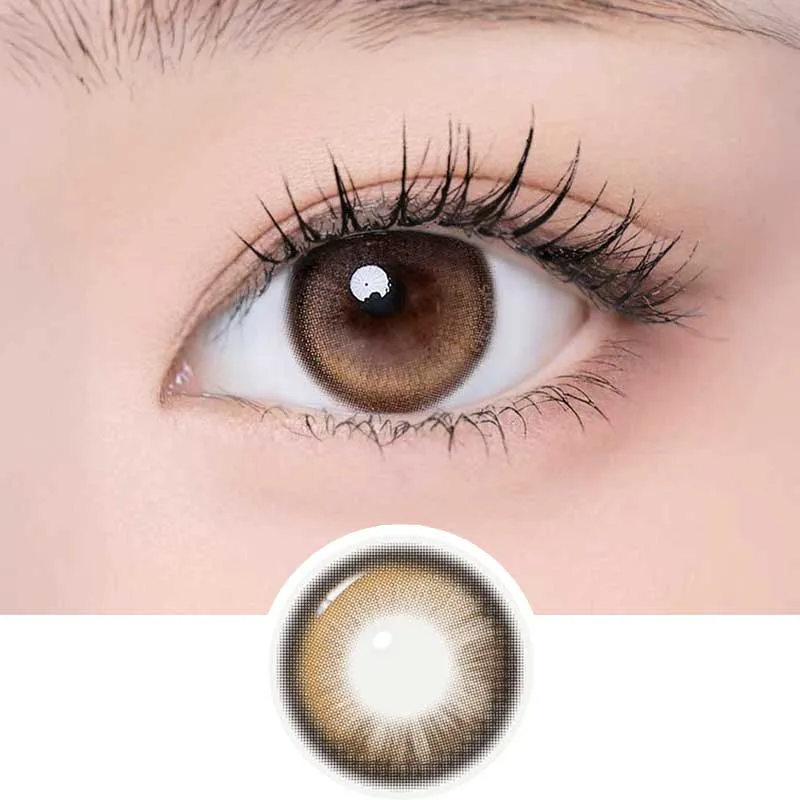
- Bausch & Lomb Lacelle Aurora Brown (30pk): The Bausch & Lomb Lacelle series is designed with comfort and wearability in mind, featuring subtle, easy-to-match colors that work well for those new to colored contacts. If you are new to colored contacts, these lenses are a great choice. They are comfortable to wear and easy to care for, making them perfect for practicing your cleaning routine.
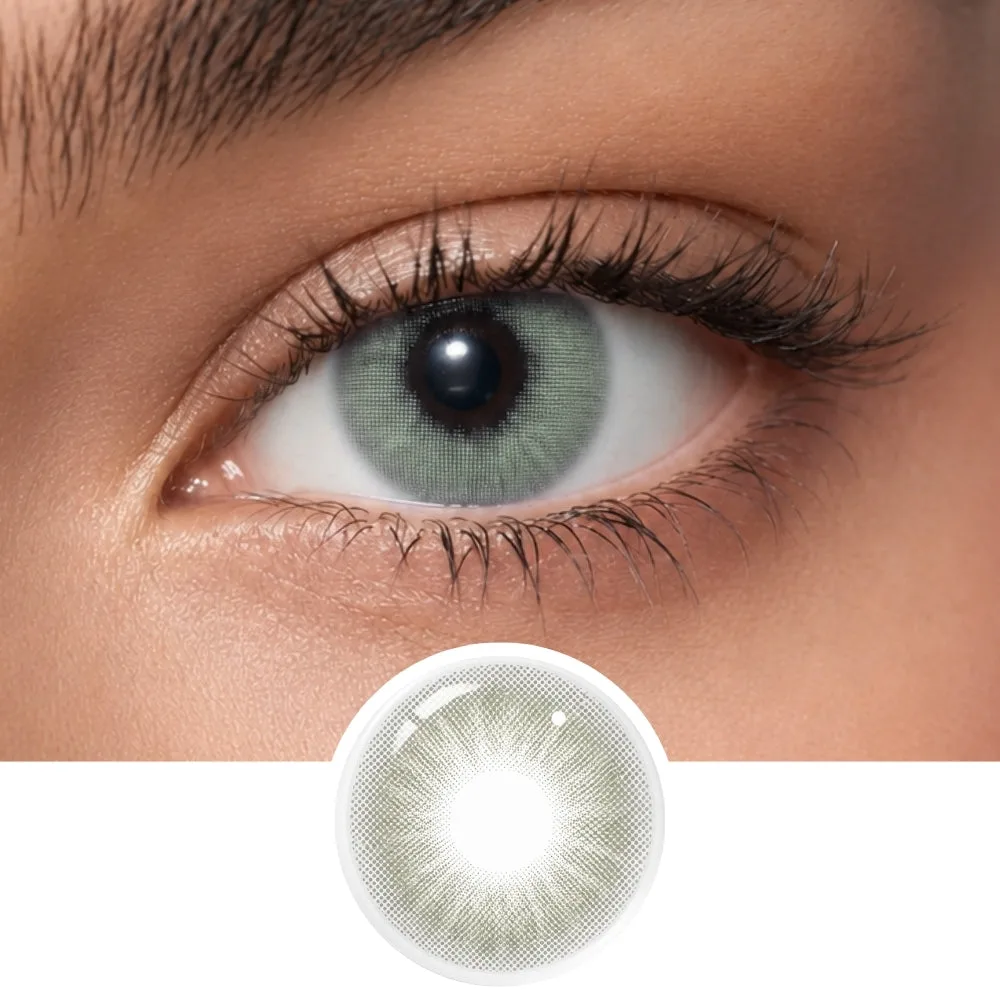
- EyeCandys Aura Crystal Grey: Aura Crystal Grey is a cool-toned shade with a translucent finish that catches light beautifully, creating a fresh, frosted effect. The translucent finish means that proper cleaning is especially important to maintain the clarity of the lens. Regular cleaning will keep the grey looking crisp and prevent buildup that could dull the effect.
- NEO Vision Glamour Grey (Custom Toric for Astigmatism): NEO Toric Glamour Grey Circle Lenses look like standard 3-tone decorative lenses out of the packaging, but once on the eye, they have a striking effect. Toric lenses for astigmatism require extra care because they are designed to stay in a specific orientation. Proper cleaning ensures they remain comfortable and maintain their corrective function.
Following a consistent cleaning and disinfecting routine is the best way to keep your eyes healthy and your contact lenses—whether clear or colored—comfortable and clear. Remember to always use fresh solution, never water, and replace your case regularly. If you have any doubts about your lens care, consult your eye care professional.