Start with grit, not spray
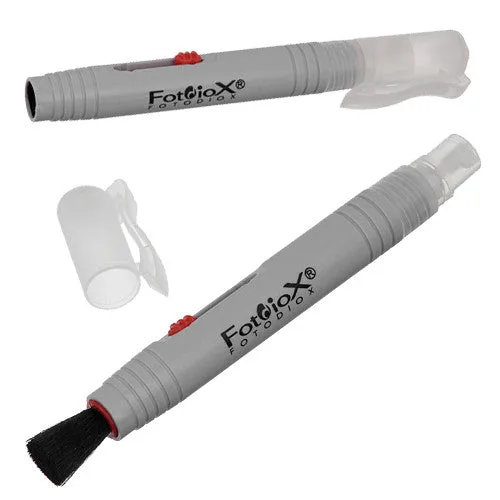
The safest lens cleaning steps begin before any liquid touches the glass. Grit and dust are the main scratch risk, so blow or brush loose particles away first. If you spray a dirty lens, you can drag that grit across the coating with your cloth.
Once the surface is free of loose debris, work in good light so you can see smudges and any remaining specks. A concentrated spray like Urth's Lens Cleaning Spray is formulated for coated optical glass, but it still needs a clean, grit-free surface to do its job without risk.
A safe spray-and-microfiber routine
This sequence keeps liquid use minimal and puts the microfiber between the spray and the coating. It suits everyday smudges, fingerprints and light haze on lenses, filters and tech screens.
- Blow or brush off loose dust: Remove grit before any wiping. This is the step that prevents most accidental scratches.
- Spray onto a clean microfiber cloth, not the lens: A light mist on the cloth gives you control and avoids excess liquid pooling near the lens edge. The 20ml bottle is concentrated, so one or two pumps is enough for a small lens.
- Wipe gently in a circular motion: Use light pressure and a clean section of the cloth. Let the microfiber lift the smudge rather than scrubbing at it.
- Check in raking light: Tilt the lens toward a light source to confirm the smudge is gone and no streaks remain. If needed, repeat with a fresh part of the cloth.
- Finish with a dry pass: A dry section of microfiber removes any residual moisture and leaves a streak-free finish.
Why a plant-based, alcohol-free spray matters for coated glass
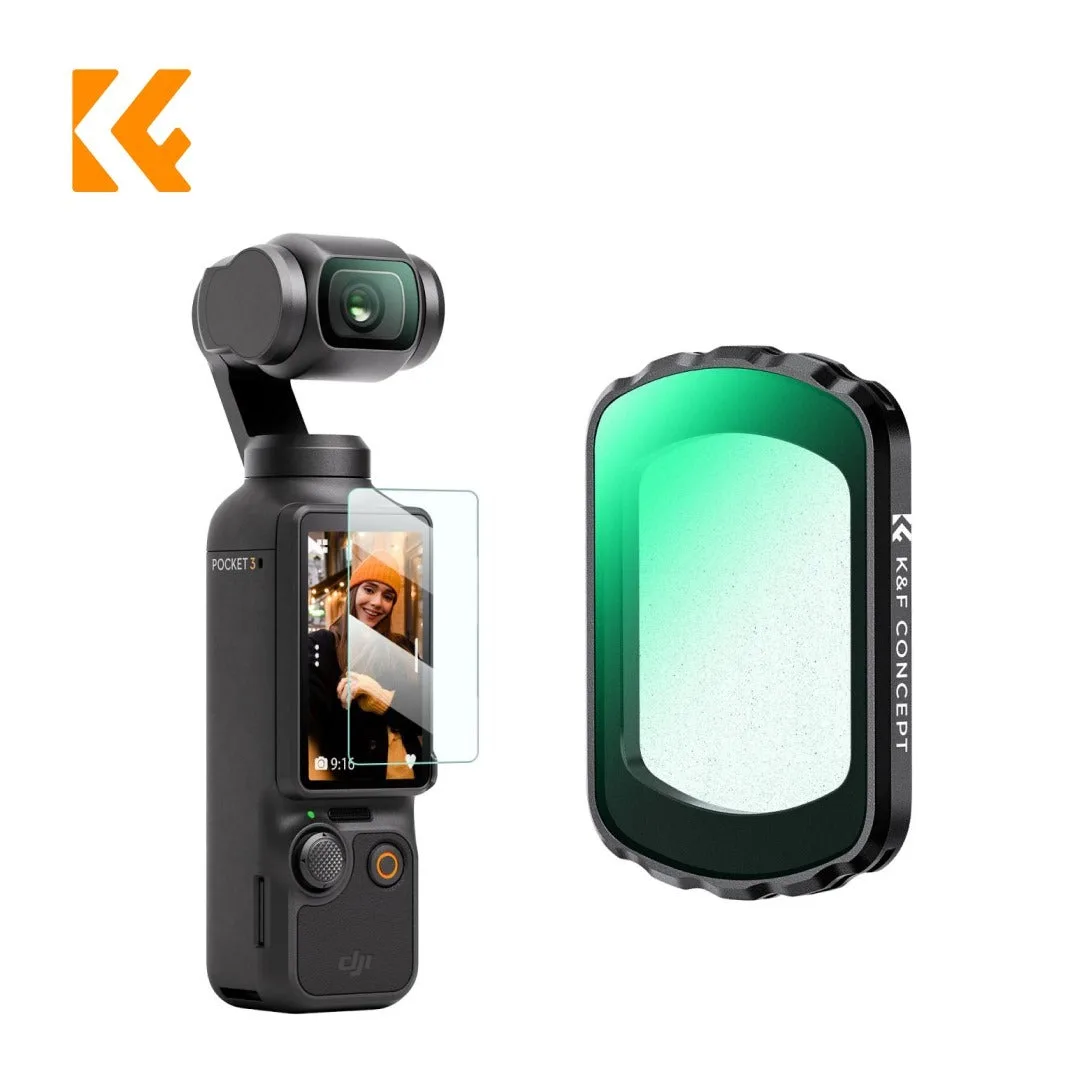
Modern lenses and filters carry nano-coatings that are sensitive to harsh solvents. The Urth Lens Cleaning Spray is free from alcohol and ammonia, and its plant-based formula is designed to be safe for nano-coated optical glass, filters and tech screens. That makes it a reasonable choice when you want to remove smudges from a camera lens without introducing a solvent that may be too aggressive for the coating.
The trade-off is that a gentle formula may need a little more patience on stubborn, dried-on marks. Let the misted cloth sit on the smudge for a moment rather than pressing harder.
What the spray is designed for
-
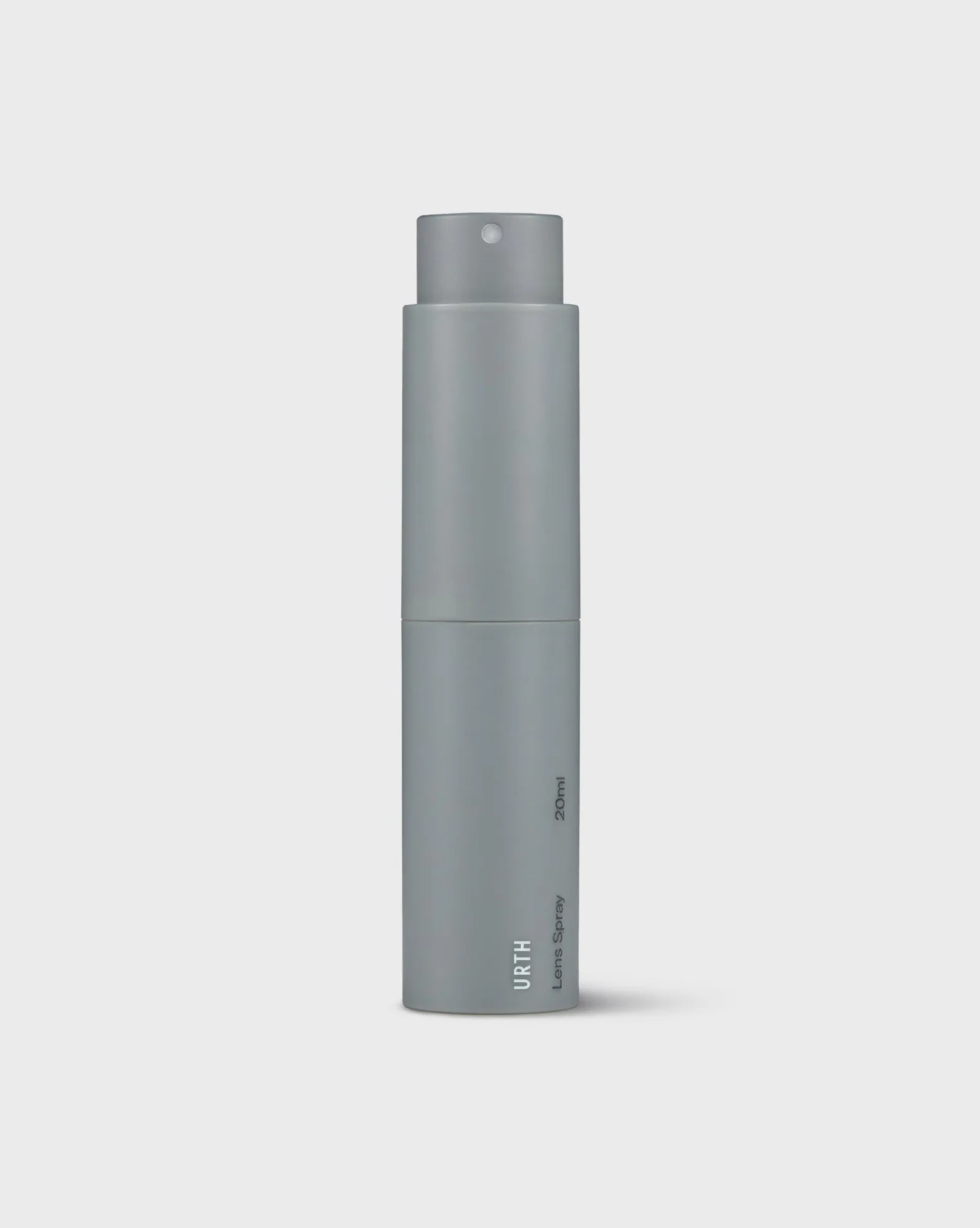
Lens Cleaning Spray: Engineered for coated optical glass, the Lens Cleaning Spray delivers a deep, streak-free clean. This is the core use case: coated lenses and filters, not just uncoated glass.
Lens Cleaning Spray
-
Lens Cleaning Spray: Free from alcohol and ammonia, the concentrated, plant-based formula is safe for nano-coated lenses, filters and tech screens. It tells you the formula is intended for delicate modern coatings and mixed optics, so you can use one bottle across your kit.
-
Lens Cleaning Spray: 20ml spray delivers up to 100 cleans. A small bottle goes a long way, which supports using a light mist rather than soaking the cloth.
Microfiber technique: the part that prevents streaks
The microfiber lens cleaning method matters as much as the spray. Use a clean, dry microfiber cloth and fold it so you have several fresh surfaces. Wipe with the folded edge rather than bunching the cloth, and switch to a clean section as soon as you see a smear transferring.
Avoid circular scrubbing on a dry lens. If the cloth feels like it is dragging, add one more light mist to the cloth, not to the glass. A streak usually means too much liquid or a dirty cloth, not too little spray.
Checkpoints before and after each clean
- Before: grit is gone: If you can feel or see particles, keep blowing or brushing. Do not wipe yet.
- Before: cloth is clean: A cloth that has been stored loose can pick up dust. Shake it out and inspect it.
- After: no visible streaks: Check in raking light. A faint haze may be residual moisture; a dry pass usually clears it.
- After: cap is back on: The screw-off cap protects the concentrated formula and keeps the bottle clean between uses.
A simple camera lens care routine
Make lens cleaning a short, regular habit rather than a rescue operation. Blow off dust after every outdoor session, wipe the glass only when you see a smudge, and keep a dedicated microfiber cloth with the spray. The Urth Lens Cleaning Spray's refillable bottle and 3-year warranty support that routine, and the 20ml size fits easily in a bag pocket.
One honest limitation: the supplied information confirms the formula is safe for nano-coated optical glass, filters and tech screens, but it does not list every surface or material. If you are cleaning something unusual, test on a small area first or follow the manufacturer's guidance for that item.