Start with the right cloth, not more pressure
Most lens streaks and scratches come from two mistakes: using a cloth that is not clean enough to lift grit, or pressing harder when a smudge will not budge. A proper microfiber cloth is designed to trap dust and oil rather than drag them across the glass. The Ritz Gear Lens Cleaning Cloth is a lint-free, streak-free microfiber option made from a thick 220 GSM fabric (80% polyester, 20% polyamide) that the catalog describes as soft, gentle and optical grade. That specification matters because a tightly woven, brushed cloth gives you a surface that can wipe away smudges, stains, fingerprints, dust and dirt while the manufacturer states it is safe for camera lenses and coated optical glass.
What the cloth is specified to do
-
Ritz Gear Lens Cleaning Cloth: Lint-free, streak-free microfiber cleaning cloths for lens, glasses, sunglasses, optical filters, tablets, cell phones, touchscreens, computer monitors, laptops and big screen LED OLED TVs. A cloth that is explicitly lint-free and streak-free is the baseline for avoiding the two most common visual complaints after cleaning.
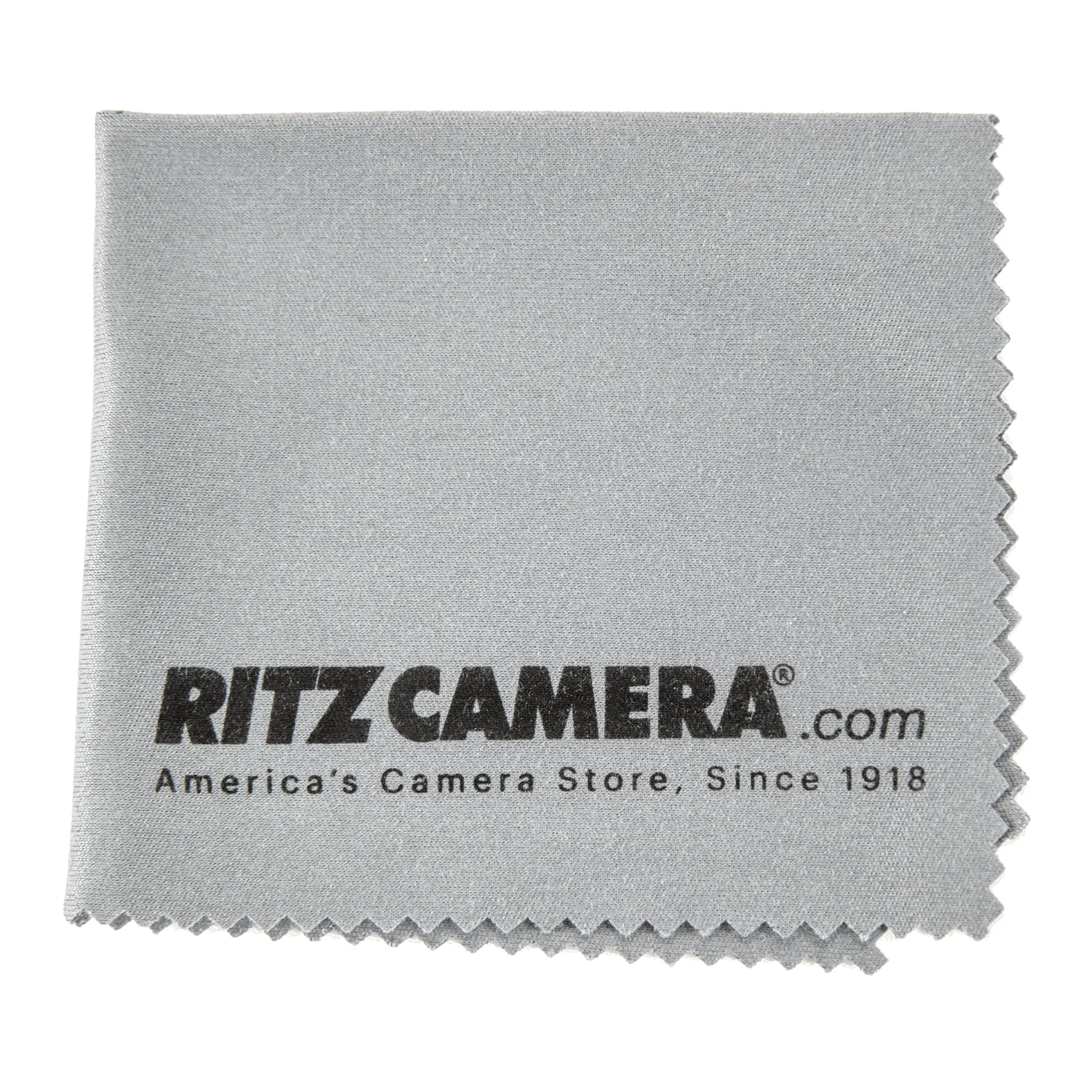
Ritz Gear Lens Cleaning Cloth
-
Ritz Gear Lens Cleaning Cloth: Effectively wipes away smudges, stains, fingerprints, dust and dirt leaving delicate surfaces clean and scratch-free; safe for prescription eyeglasses, camera lenses and coated optical glass. The manufacturer's stated safe use on coated optical glass is the key compatibility point for camera lens cleaning.
A safe sequence for removing smudges from lens glass
The supplied product information does not include a step-by-step cleaning procedure, so the following is a conservative routine built around the cloth's stated capabilities rather than a manufacturer instruction. Work from the least aggressive action to the most, and stop as soon as the glass is clean.
- 1. Remove loose dust first: Use a clean, dry section of the microfiber cloth to gently lift dust and dirt. The catalog states the cloth wipes away dust and dirt, so start here before applying any moisture or pressure.
- 2. Use a fresh area of the cloth for smudges: Fingerprints and smudges are oily. Fold the cloth so you can switch to a clean section rather than spreading the oil around. The cloth is specified to wipe away smudges, stains and fingerprints.
- 3. Wipe in one direction, not circles: A single-direction pass with light pressure helps you see whether grit is being moved. If the smudge remains, switch to another clean section of cloth instead of pressing harder.
- 4. Check the glass at an angle: Tilt the lens toward a light source. If you see streaks, they are usually from oil being redistributed rather than removed. A clean, dry section of the lint-free cloth is the next step, not more pressure.
- 5. Stop when the surface is clean: The cloth is described as leaving delicate surfaces clean and scratch-free. Repeated polishing of an already clean lens adds risk without benefit.
How to avoid scratching lens coating
The catalog states the cloth is safe for coated optical glass, but that safety depends on keeping the cloth free of trapped grit. These checkpoints follow directly from the cloth's material specification and stated use.
- Keep the cloth clean and store it protected: A 220 GSM microfiber cloth can hold dust and grit. If it has been sitting loose in a bag, shake it out or use a different clean section before touching the lens.
- Never use paper towels, tissues or clothing: The supplied evidence supports this microfiber cloth for camera lenses and coated optical glass. It does not support substituting rough or unknown materials.
- Do not press hard on a dry smudge: Pressure is the enemy of coatings. The cloth is specified to wipe away smudges; if it is not lifting the mark with light pressure, the cloth section is likely saturated with oil.
- Use a separate cloth for the body and the glass: The cloth is also listed for glasses, sunglasses, filters, tablets and touchscreens. If you use one cloth across those surfaces, keep a dedicated clean section or a second cloth for the lens.
What the supplied information does not cover
The product record does not include preparation or operating instructions, and it does not specify cleaning solutions, drying times, machine washing, or compatibility with every lens coating. Treat those as unknown rather than assuming the cloth is suitable for any liquid or any coating. The confirmed safe uses are the ones stated: camera lenses, coated optical glass, prescription eyeglasses, sunglasses, optical filters and the screen surfaces listed. For a lens with unusual or unconfirmed coating, test on a small area first or follow the lens manufacturer's guidance.