Quick answer
Empty the case, rinse both wells with fresh multipurpose solution, and let them air-dry face down on a clean tissue every day. Once a week, scrub the wells with a clean finger or soft brush and replace the solution. Replace the entire case every one to three months, or sooner if you notice cracks, cloudiness, or a persistent film.
Why your lens case needs a routine, not just a rinse
A contact lens case is a warm, moist, enclosed environment, which is exactly what bacteria and biofilm need to grow. Even if your lenses feel fine, a dirty case can reintroduce organisms to the lens every time you store it. That is why contact lens case hygiene matters as much as cleaning the lenses themselves.
The routine below takes under a minute a day. The goal is not to sterilize the case with harsh chemicals, but to remove the old solution, debris, and biofilm that can build up on the plastic.
What you need before you start
Use only the multipurpose solution you already use for your lenses. Do not use tap water, homemade saline, or hydrogen peroxide in a standard case unless the case is specifically designed for that system. Tap water can carry microorganisms that survive on the case surface.
Keep a small supply of replacement cases so you are not tempted to stretch one past its useful life. A clean, dry case and fresh solution are the two non-negotiables.
Daily cleaning: the one-minute habit
After you insert your lenses, empty the old solution immediately. Do not top off the case with new solution while old solution is still inside. Rinse each well with a short stream of fresh multipurpose solution, swirl it, and dump it out. Then place the case upside down on a clean tissue to air-dry with the caps off.
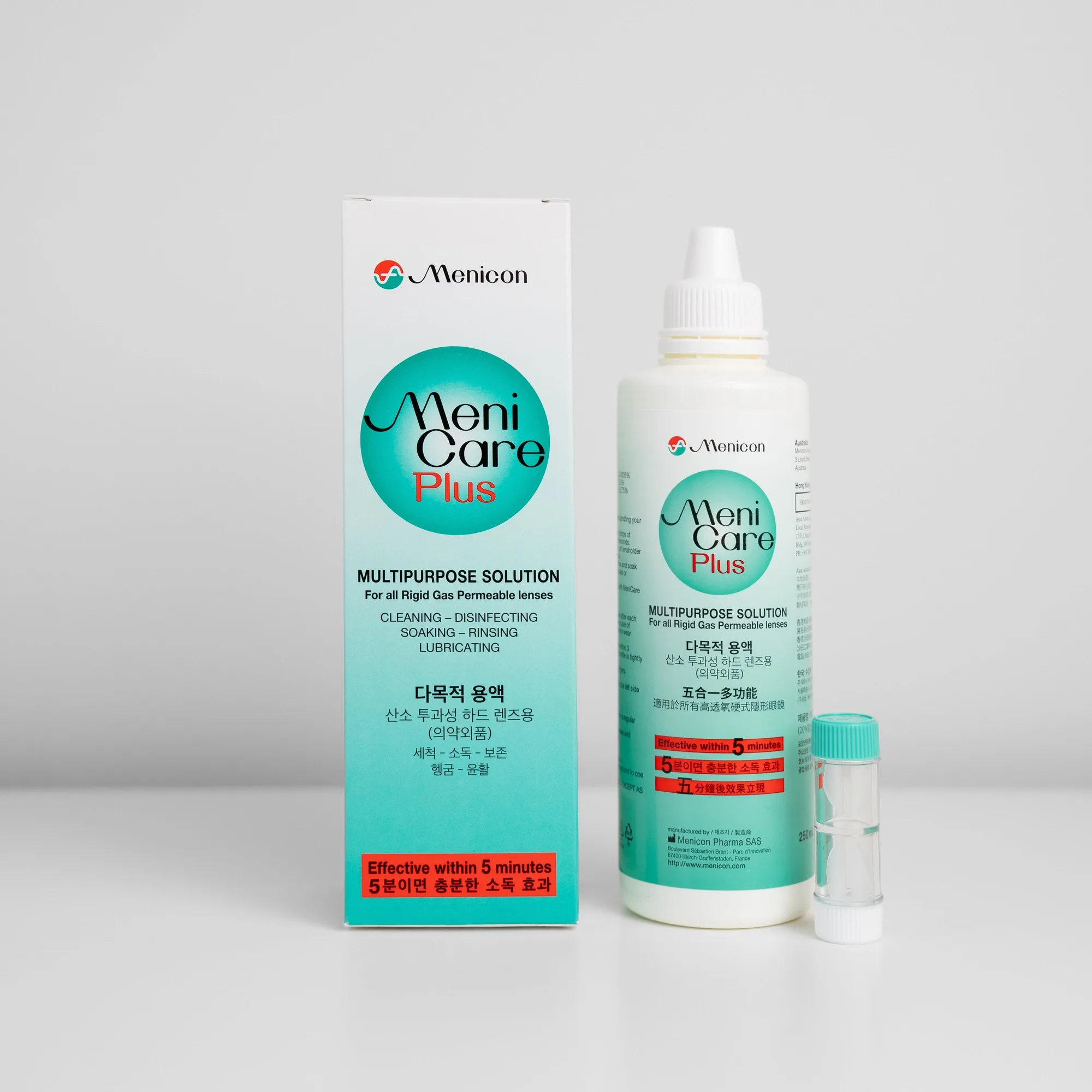
If you wear rigid gas-permeable lenses, the same daily habit applies. A multipurpose solution such as Menicare Plus is designed to clean, disinfect, and store RGP lenses, and using it correctly in a clean case helps the disinfectant do its job.
Weekly deep clean: remove the film you cannot see
Once a week, after rinsing, use a clean finger or a soft, dedicated brush to gently rub the inside of each well. This loosens the biofilm that a quick rinse leaves behind. Rinse again with fresh solution and air-dry face down.
Do not use soap, dish detergent, or alcohol on the case. Residue from these products can irritate your eyes and may break down the plastic. If the case still looks cloudy or feels slimy after cleaning, replace it rather than trying to scrub harder.
How often to replace your lens case
Replace your contact lens case every one to three months. If you drop it, notice cracks, or see a persistent film that does not rinse away, replace it immediately. A new case is inexpensive compared with treating an eye infection.
If you use a hydrogen peroxide system, follow the manufacturer's replacement schedule for that specific case, because the neutralization process can affect the plastic differently.
How your solution and eyelid hygiene fit in
A clean case keeps your multipurpose solution working as intended. If you use a solution with a lubricant such as hypromellose, the case should be free of old residue so the fresh solution can coat the lens evenly. That is one reason not to reuse or top off solution.
Eyelid hygiene also affects how long your lenses feel comfortable. If you have blepharitis or dry eye, keeping the eyelids clean can reduce the debris that ends up on lenses and in the case. Products such as a 1% tea tree oil foam wash or pre-moistened eyelid wipes can be part of that routine, but they do not replace cleaning the case itself.
Your step-by-step lens case cleaning routine
- Empty and rinse immediately after inserting lenses: Pour out the old solution and rinse both wells with fresh multipurpose solution. Do not let old solution sit in the case all day. Common mistake: topping off the case with new solution without emptying it first.
- Air-dry face down with caps off: Place the open case upside down on a clean tissue so water and solution can drain out. Do not dry it with a towel, which can leave lint and bacteria. Checkpoint: the case should be completely dry before you use it again.
- Deep clean once a week: Rub the inside of each well with a clean finger or soft brush, then rinse with fresh solution and air-dry face down. Common mistake: using soap or alcohol, which can leave irritating residue.
- Replace the case every one to three months: Mark the date on the case or set a phone reminder. Replace sooner if you see cracks, cloudiness, or a film that will not rinse away. Checkpoint: a new case is cheaper than treating an infection.
- Keep your hands and eyelids clean: Wash and dry your hands before handling lenses or the case. If you have blepharitis or dry eye, use a daily eyelid wash or wipes to reduce debris. Next step: pair this routine with the multipurpose solution you already use, and never use tap water on the case.
Products that support a clean case routine
- Menicare Plus Multipurpose Solution 250mL: Menicare Plus Multipurpose Solution 250mL is an all-in-one solution for rigid gas-permeable lenses that cleans, disinfects, and stores lenses, meeting ISO 14729 5-minute disinfection standards. It contains PHMB as a disinfectant and hypromellose as a lubricant. Using a fresh, measured amount of this solution in a clean case helps ensure the disinfection step works and the hypromellose can improve lens wettability instead of being diluted by old solution.
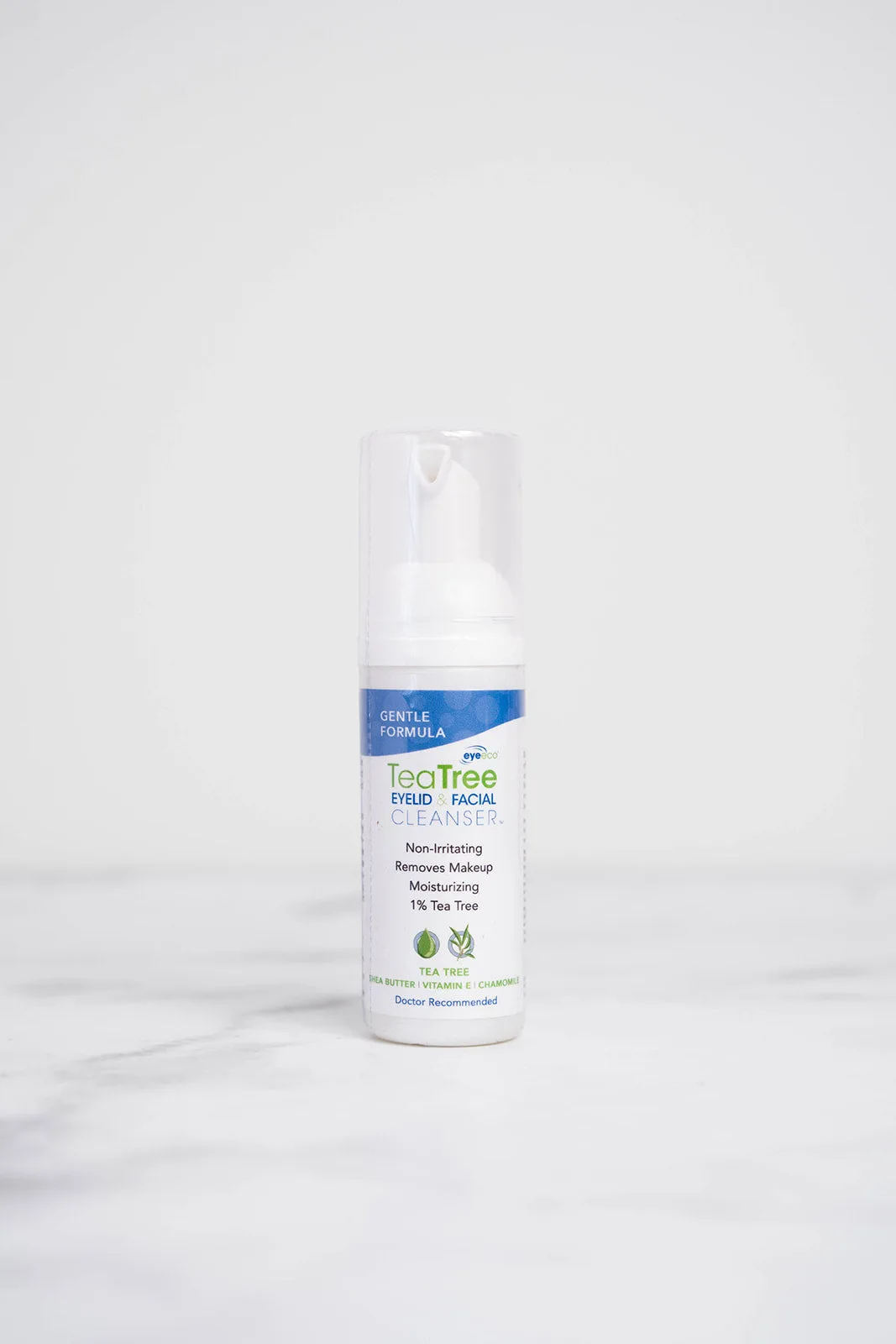
- Tranquileyes Eye Eco Gentle 1% Tea Tree Oil Foam: Tranquileyes Eye Eco Gentle 1% Tea Tree Oil Foam is a daily eyelid hygiene wash designed to cleanse and soothe irritated eyelids and help manage blepharitis and dry eye. The 1% tea tree oil formulation targets demodex mites. Clean eyelids reduce the debris and oil that transfer to lenses and cases, which supports a more effective contact lens case cleaning routine.
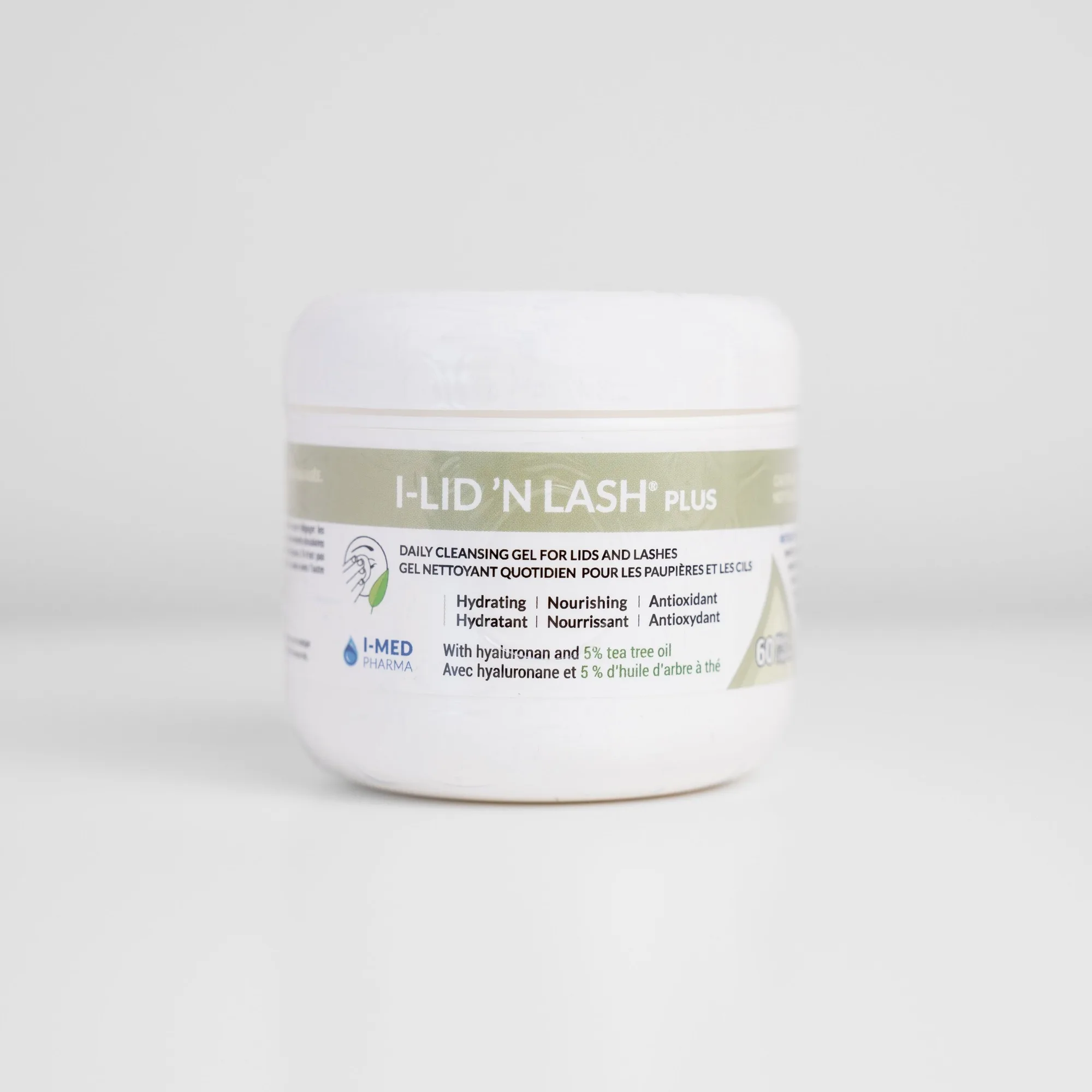
- I-Lid'N Lash Plus - 60 Wipes: I-Lid'N Lash Plus - 60 Wipes are pre-moistened eyelid wipes with 5% tea tree oil and sodium hyaluronate (hyaluronic acid). They are hypoallergenic and gentle for contact lens wearers, removing debris, biofilm, and makeup. These wipes offer a quick alternative for eyelid hygiene on days when you do not use a foam wash, helping keep the eye area clean between lens case cleanings.