Quick Answer
To clean a lens filter without scratches, start with a gentle air blast to remove loose grit, then use a microfiber cloth and a drop of lens cleaning solution in a circular motion from the center outward. Never use household cleaners, paper towels, or your shirt—these are the fastest ways to introduce scratches.
Why Lens Filters Scratch So Easily
Lens filters are coated with delicate anti-reflective or polarizing layers that are far softer than the glass in your camera lens. A single grain of sand or dust dragged across the surface can leave a permanent scratch that shows up in every photo. This is why the cleaning method matters more than the filter's price tag.
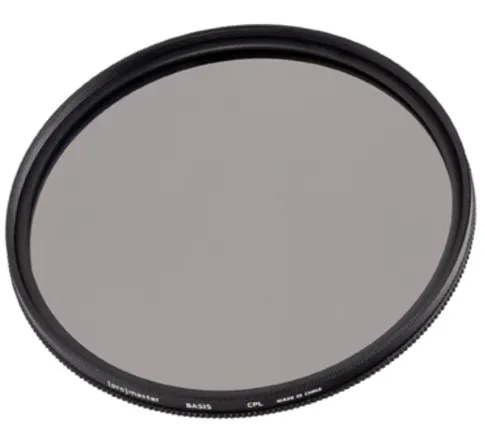
Even a budget-friendly filter like the ProMaster 49mm Circular Polarizer Filter (CPL) can last for years if you treat the glass gently. The key is to never apply pressure to dry debris.
Tools You Should and Shouldn't Use
Safe tools include a rubber air blower (not canned air, which can spit liquid), a dedicated lens cleaning solution, and a clean microfiber cloth designed for optics. Avoid paper towels, tissues, your sleeve, or any fabric that hasn't been washed without fabric softener.
If you shoot macro or frequently swap filters, a filter cleaning kit with a small brush and solution is a worthwhile investment. The ProMaster Basis line also offers larger thread sizes (up to 82mm) if you upgrade lenses later.
Step-by-Step Cleaning Process
- Blow off loose debris first: Use a rubber air blower to remove dust, sand, or lint from the filter surface. Hold the filter at an angle and give it several firm puffs. Do not use compressed air cans—they can spray propellant onto the glass. Skipping this step is the #1 cause of scratches. Dry grit acts like sandpaper when wiped.
- Apply cleaning solution to the cloth, not the filter: Put one or two drops of lens cleaning solution onto a clean microfiber cloth. Never apply liquid directly to the filter—it can seep into the ring and damage the coating or leave streaks. Using too much liquid is a common mistake. A barely damp cloth is all you need.
- Wipe in a circular motion from center to edge: Gently wipe the filter in a continuous circular pattern, starting at the center and moving outward. Apply light, even pressure. Flip the cloth to a clean area if you see smudges reappearing. If a smudge doesn't come off after one pass, breathe lightly on the filter to add moisture—do not press harder.
- Inspect under a bright light: Hold the filter up to a desk lamp or window light and look for remaining smudges or dust. Repeat steps 2–3 only if needed. Store the filter in its case or a padded pouch immediately after cleaning. A clean filter should look invisible when held at arm's length. Tiny dust specks that don't affect image quality are fine to leave.
Product Facts
- ProMaster 49mm Circular Polarizer Filter (CPL) - Basis 70400: The ProMaster 49mm Circular Polarizer Filter (CPL) is part of the ProMaster Basis line, item 70400. It is designed for lenses that accept 49mm filters and is also available in additional thread sizes: 46, 52, 55, 58, 62, 67, 72, 77 and 82mm. If you own this filter or plan to buy one, knowing the correct cleaning method protects the polarizing coating. The availability of multiple thread sizes means you can use the same cleaning routine across all your lenses.