Quick answer
Clean wooden toys with a barely damp cloth and mild soap, then dry immediately. Never soak, submerge, or put them in a dishwasher. For everyday care, a dry microfibre cloth removes dust and fingerprints without touching the finish.
Why wood needs a different cleaning routine
Wood is porous. When water sits on the surface, it can raise the grain, soften the finish, and cause cracking over time. Painted or sealed wooden toys tolerate a quick wipe far better than a soak. This is why the same cloth you use on plastic toys is often too wet for wood.
What you need before you start
Gather two soft cloths, one for washing and one for drying, mild liquid soap, and a small bowl of lukewarm water. Avoid abrasive sponges, bleach, and furniture polish unless the maker specifically says otherwise. If a toy has a manufacturer care label, follow it over any general advice.
How to dry and store wooden toys
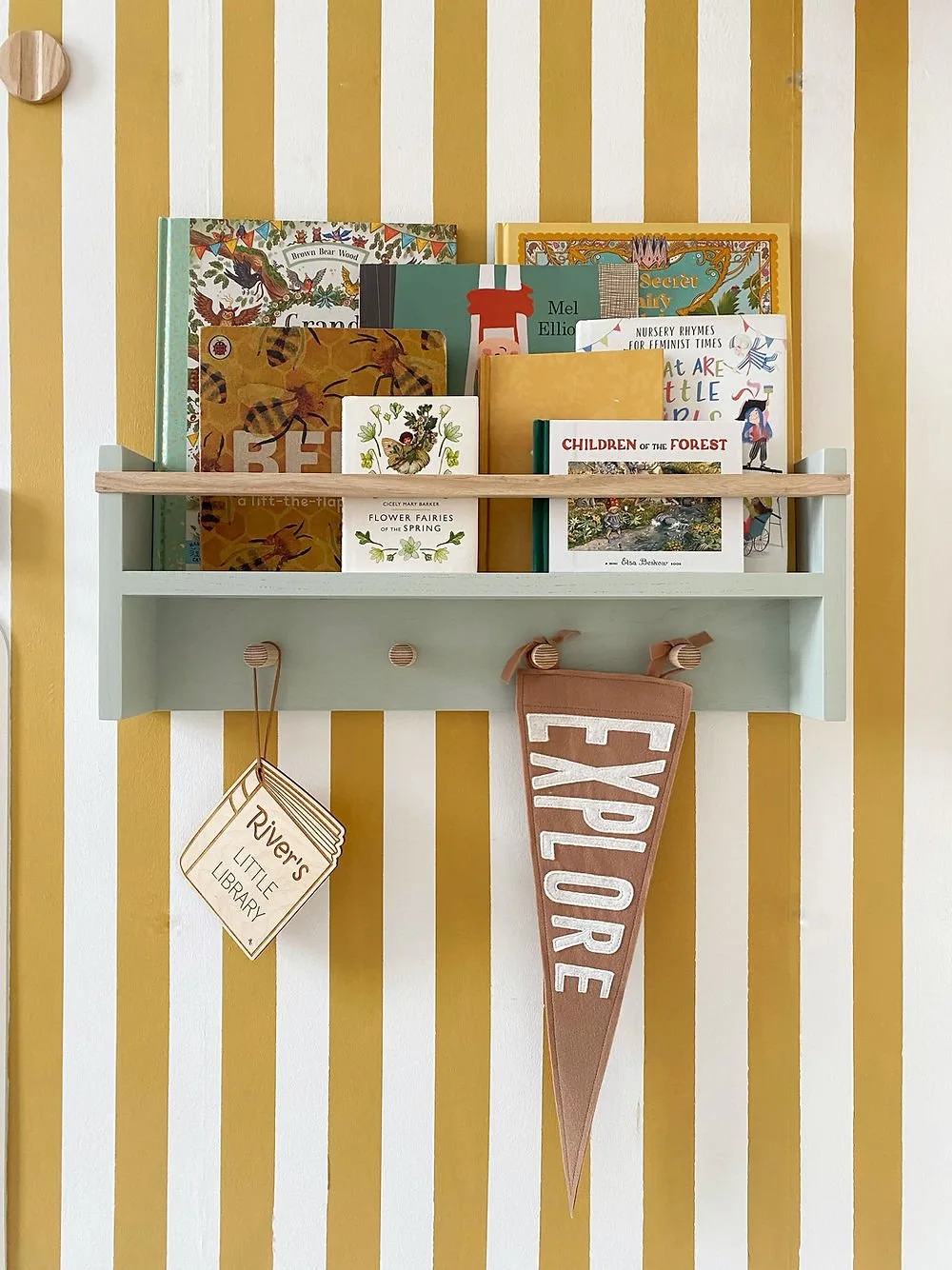
Air-dry toys standing upright so both sides get airflow, then put them away only when completely dry. Store them indoors, away from radiators and damp cupboards. A peg rail or open shelf keeps air moving around the wood and makes it easy to spot damage early.
Step-by-step wooden toy care
- Dust with a dry cloth first: Use a dry microfibre cloth to remove surface dust and crumbs before introducing any moisture. Checkpoint: if the cloth comes away clean, you may not need to wash the toy at all.
- Wipe with a barely damp cloth: Dip a cloth in lukewarm water with a drop of mild soap, wring it out until it is almost dry, then wipe the surface. Common mistake: a dripping cloth. Water should never run or pool on the wood.
- Dry immediately: Follow with a dry cloth and let the toy air-dry fully before your child plays with it again. Checkpoint: if you can feel any dampness, wait longer.
- Spot-clean stains instead of soaking: For sticky marks, wipe gently with the damp cloth rather than submerging the toy. Common mistake: soaking wooden toys, which can warp the wood and lift the finish.
- Inspect for wear and loose parts: Check edges, joints, and painted areas for splinters, cracks, or chipped finish. Tighten or set aside anything that feels loose. Checkpoint: if a part moves or paint flakes, remove the toy from play until repaired or replaced.
- Store dry and out of direct heat: Keep toys on an open shelf or peg rail away from radiators, damp cupboards, and direct sunlight. Next step: rotate toys seasonally so each piece gets checked and aired.
Product facts
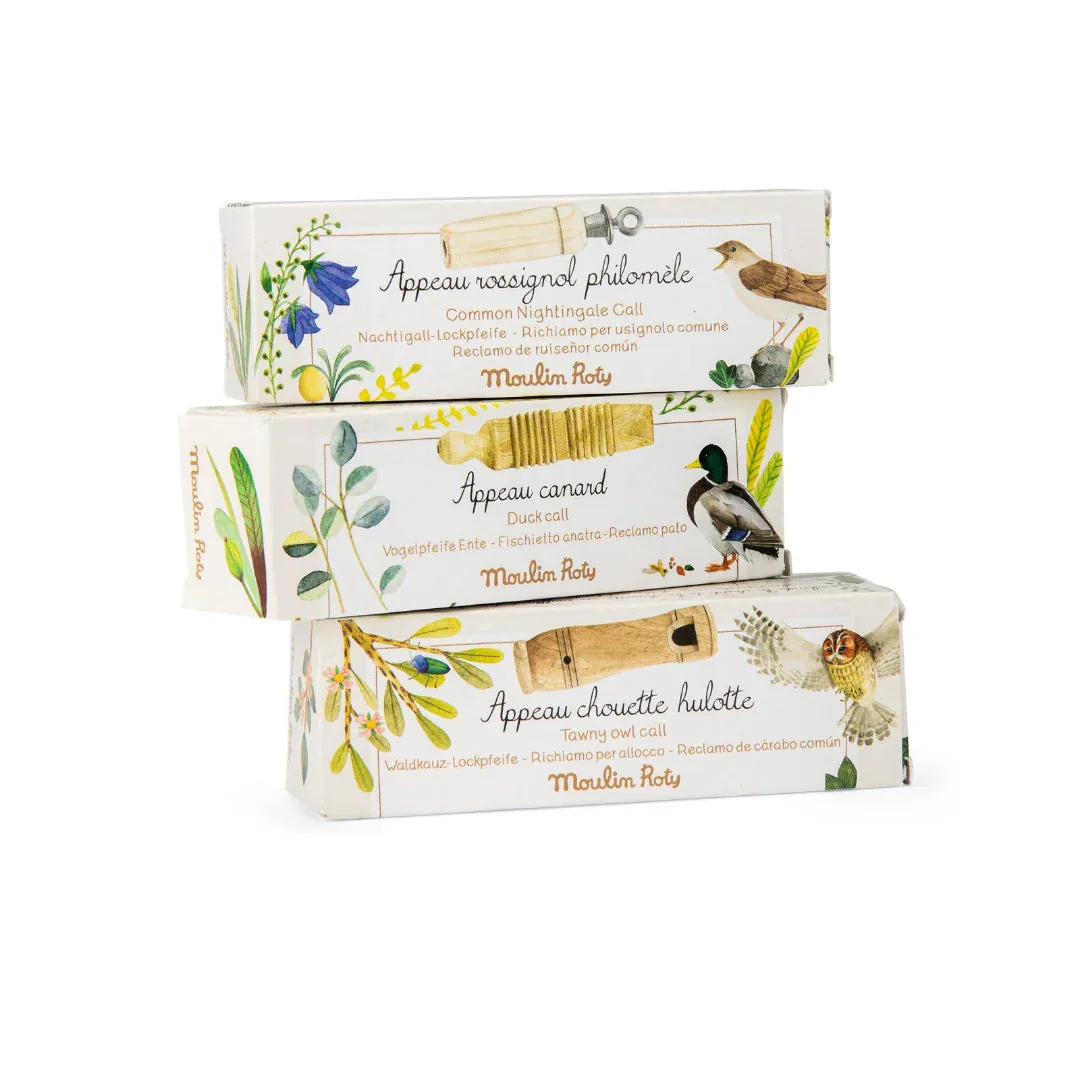
- Moulin Roty: Bird Call Whistle - Le Jardin du Moulin: Handcrafted in France and compact at 13 x 4.3 x 4.3cm. Its small size makes it easy to wipe clean after outdoor use and store in a pocket or bag.
- Autumn's Corner - The Colour Pop Peg Rail Bookshelf: Made from FSC Certified Solid Ash with traditional joinery and arrives assembled. Solid ash can be wiped with a barely damp cloth, and the assembled build means there are no loose fixings to work around when cleaning.