Quick Answer
To do a juice cleanse safely, start by preparing your body with lighter meals for a few days, choose a cleanse duration that fits your experience, and stay hydrated. Listen to your body, manage side effects like headaches or fatigue, and ease back into solid foods gradually.
Juice cleanses are a popular way to reset your eating habits and boost your intake of fruits and vegetables. But if you jump in without preparation, you might end up feeling miserable instead of refreshed. This guide walks you through a safe juice cleanse from start to finish, so you can get the benefits without the common pitfalls.
Whether you're curious about a one-day reset or a longer cleanse, the key is to approach it with a plan. You'll need to prepare your body, choose the right juices, and know what to expect. Let's break it down step by step.
Step 1: Prepare Your Body Before the Cleanse
Start easing off caffeine, sugar, and heavy foods at least two to three days before your cleanse. This helps reduce withdrawal symptoms like headaches and cravings. Swap your morning coffee for green tea, and choose lighter meals like salads, soups, and fruit.
fruit
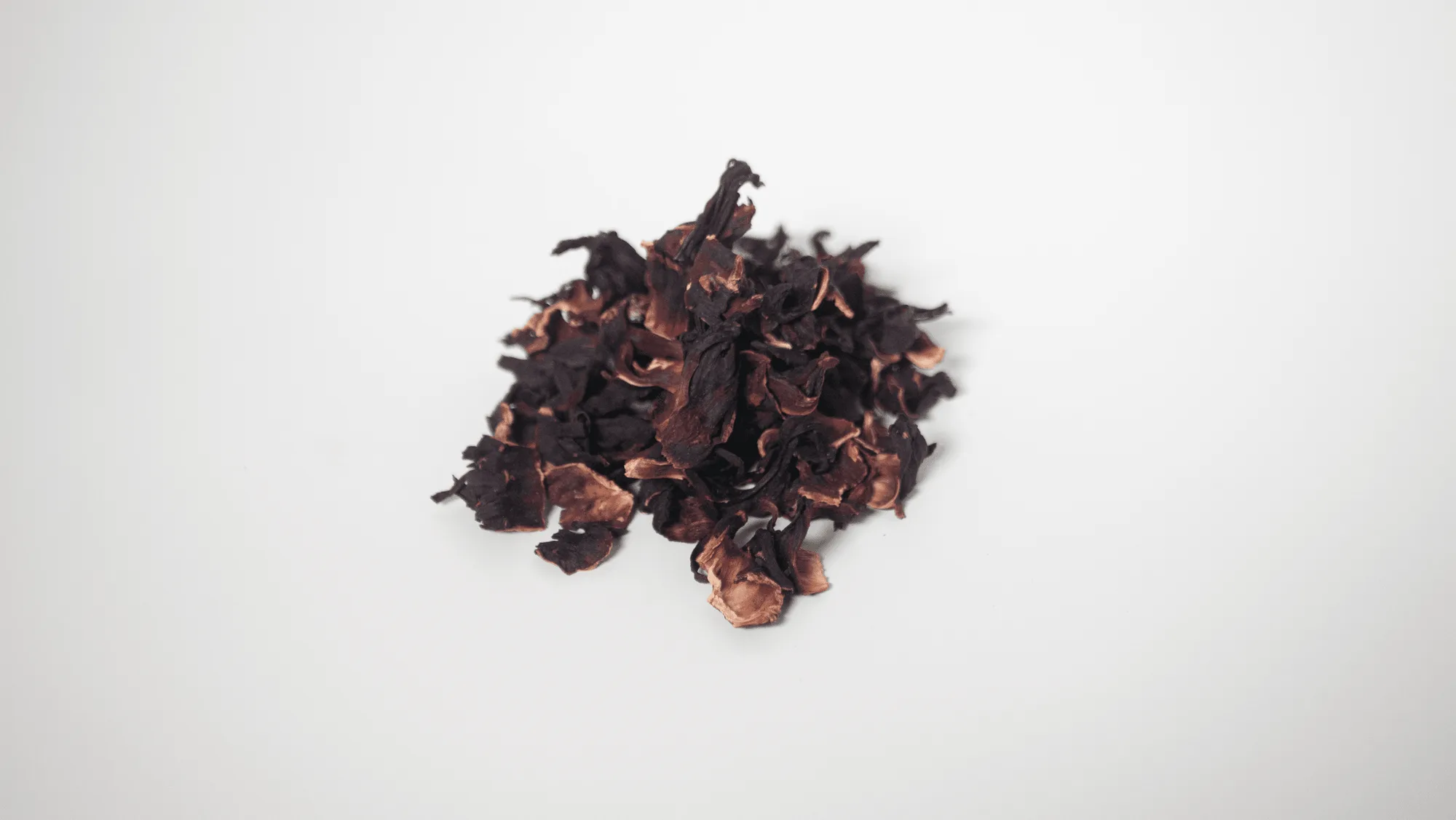
Hydration is also key. Drink plenty of water in the days leading up to your cleanse to help your body adjust. You might also consider adding a gentle herbal tea like Hibiscus, which is known for its vibrant color and tangy flavor, to support your hydration routine.
Hibiscus
- Reduce caffeine and sugar gradually to minimize withdrawal headaches.
- Drink extra water in the days before you start.
Step 2: Choose the Right Duration and Juice Plan
If you're a beginner, start with a one-day cleanse to see how your body responds. A longer cleanse—say three days—can be more challenging and should only be attempted if you're comfortable with the shorter version. Plan to have 4 to 6 juices per day, plus plenty of water and herbal tea.
Your juice plan should include a variety of vegetables and some fruit for natural sweetness. Aim for juices that are mostly green vegetables, with a bit of lemon or ginger for flavor. Avoid juices that are overly high in sugar, as they can spike your blood sugar and leave you feeling hungry.
- Start with a one-day cleanse if you're new to juicing.
- Include a mix of green juices and a low-sugar fruit juice for balance.
Step 3: Manage Side Effects and Stay Comfortable
It's common to experience headaches, fatigue, or hunger during the first day or two. These are often signs that your body is adjusting to fewer calories and less caffeine. To manage them, rest as much as you can, drink water, and sip herbal tea. If you feel lightheaded, have a small piece of fruit or a few nuts to take the edge off.
Some people also experience digestive changes. If you're concerned about bloating or irregularity, consider adding a gentle herb like Marshmallow root, which is traditionally used to soothe the digestive tract. Always listen to your body—if you feel severely unwell, stop the cleanse and consult a healthcare professional.
- Headaches and fatigue are common—rest and hydrate.
- If you feel faint or severely unwell, stop and seek medical advice.
Step 4: Break Your Cleanse Gradually
How you come off a juice cleanse is just as important as the cleanse itself. On your final day, start with a light meal like a small salad or a piece of fruit. Over the next two days, gradually add back cooked vegetables, whole grains, and lean proteins. This helps your digestive system readjust without shocking it.
Avoid jumping straight into heavy, fried, or processed foods. That can undo the benefits of your cleanse and cause digestive discomfort. Instead, focus on whole, nutrient-dense foods to maintain the healthy habits you've started.
- Ease back into solid foods with small, light meals.
- Avoid heavy or processed foods for at least two days after your cleanse.
Your Safe Juice Cleanse Checklist
- Prep your body: Reduce caffeine, sugar, and heavy meals for 2-3 days before starting. Drink extra water and consider swapping coffee for herbal tea. Checkpoint: You should feel no major caffeine withdrawal before you start.
- Start with a short cleanse: Begin with a one-day cleanse. Have 4-6 juices, plus water and herbal tea. Choose low-sugar, vegetable-forward juices. Checkpoint: If you feel dizzy or extremely weak, stop and eat something light.
- Manage side effects: Expect possible headaches or fatigue. Rest, hydrate, and sip herbal teas like hibiscus or marshmallow root. If symptoms are severe, end the cleanse. Checkpoint: You should be able to function normally—if not, adjust or stop.
- Ease back into solids: Break your cleanse with a light meal like fruit or salad. Over 2 days, gradually reintroduce cooked vegetables, whole grains, and lean proteins. Checkpoint: Your digestion should feel comfortable—no bloating or discomfort.
Helpful Herbs to Support Your Cleanse
- Hibiscus: Hibiscus is a vibrant botanical known for its deep red color and bold, tangy flavor. Widely used in teas and traditional preparations, it brings a refreshing, slightly tart taste that stands out in every cup. A caffeine-free hibiscus tea can replace your morning coffee during a cleanse, helping you stay hydrated and adding a flavorful, antioxidant-rich beverage to your routine.
- Marshmallow: Marshmallow root is traditionally used to soothe the digestive tract. If you experience stomach discomfort during a cleanse, marshmallow root tea may help calm your digestive system and make the process more comfortable.
A juice cleanse can be a refreshing reset when done safely. By preparing your body, choosing a short duration, managing side effects, and easing back into solids, you'll set yourself up for success. Remember to listen to your body and consult a healthcare professional if you have any concerns.