Quick answer
Encourage pretend play with puppets and dolls by making them easy to reach, modeling one simple scene, then handing over control. Keep sessions short, follow your child's idea, and add props only when the story needs them. A small figure like the Collie Puppy Toy can be a first character because it is easy to hold and name.
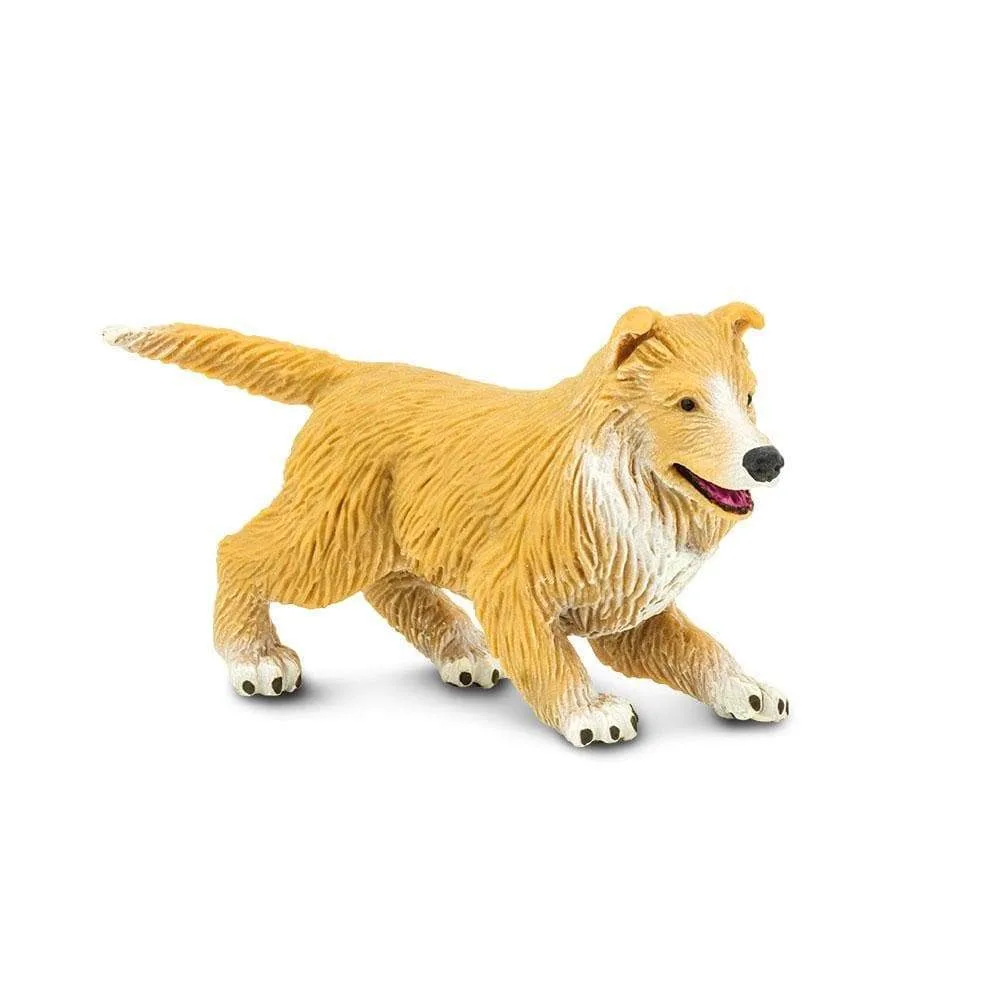
Collie Puppy Toy
Pretend play with puppets and dolls works best when you treat it as a daily habit, not a performance. Children do not need a script or a full cast. They need one character, one small problem, and an adult who is willing to play along without taking over.
The steps below show how to set up a pretend play routine at home, how to model a scene without directing it, and how to keep the story going when interest starts to fade. Each step includes a common mistake to avoid so the play stays child-led.
Set up a pretend play basket
Choose two or three puppets or dolls and put them in a low basket or bin your child can reach without help. Add one open-ended prop, such as a small blanket or a toy cup, and leave the rest of the toys out of the basket. A small collection makes choosing easier and keeps the focus on the characters rather than on sorting through a crowded toy box.
If you are not sure where to start, a simple animal figure can be less intimidating than a full puppet. The Collie Puppy Toy is a playful young Collie that looks ready to leap into its companion's arms, which gives a child an obvious first action: the puppy wants to be picked up. That single idea is enough to begin a scene.
- Keep the basket in the same spot so the routine becomes predictable.
- Rotate one character out every week or two to keep the basket feeling new.
Model one short scene, then step back
Sit on the floor and give your character a simple want: the doll is hungry, the puppet cannot find its hat, or the puppy is sleepy. Say one line, do one action, and then pause. The pause is the most important part because it invites your child to answer, change the story, or take the character from your hand.
A common mistake is turning the scene into a lesson. If you make the puppet say please and thank you while your child is still exploring the voice, the play becomes a test. Let the first few sessions be silly and repetitive. Manners and story logic can come later, once your child is comfortable directing the action.
- Use one sentence per turn so there is room for your child to respond.
- If your child corrects you, follow their version of the story.
Let the child lead the story
Once your child takes a character, stop narrating. Ask open questions only when the play stalls, such as 'What does the puppy want now?' or 'Where are they going?' Avoid questions that have a right answer. The goal is to let your child decide what happens next, even if the plot jumps from a tea party to a thunderstorm in ten seconds.
This is where pretend play with dolls and puppets earns its keep. A child who gives a voice to a shy doll is practicing perspective-taking, and a child who makes a puppet knock on a door is rehearsing a social script. You do not need to point this out. Just keep the story moving and let the benefits happen quietly.
- Repeat your child's last line back as a question to keep the story going.
- Resist the urge to fix a plot hole or correct a character's name.
Add props only when the story needs them
Props are useful when they solve a problem in the story, not when they decorate the scene. If the puppet is going on a trip, a small bag or a toy car helps. If the doll is sick, a tissue or a small blanket helps. Bring in one prop at a time and let your child decide how to use it, even if the use is not realistic.
A common mistake is setting up an elaborate scene before your child arrives. A fully built castle or doctor's office can make a child feel like a visitor in your story rather than the author of their own. Start with an empty floor and let the props accumulate as the plot demands.
- Keep props generic so they can become different objects in different stories.
- Put props away at the end so the next session starts fresh.
Keep sessions short and end on a high note
Ten to fifteen minutes is enough for most young children, especially when the play is new. Watch for signs that interest is fading, such as dropping the puppet or repeating the same line without adding anything. When that happens, give the story a simple ending and put the characters back in the basket.
Ending while your child still wants more makes it easier to return tomorrow. If you push through a long session, the last few minutes often turn into a power struggle over clean-up. A short, happy ending is better for the habit than a long, tired one.
- Use a consistent closing line, such as 'The puppy is going to sleep now.'
- Let your child put the last character away so they end with control.
Your five-step pretend play routine
- Pick one character and one want: Choose a single puppet or doll and give it a simple goal, such as finding a snack or a place to sleep. Checkpoint: your child can state what the character wants in one sentence.
- Model one line, then pause: Say one line in the character's voice and wait. Do not fill the silence with another line. Checkpoint: your child responds, changes the line, or takes the character.
- Hand over the character: Pass the puppet or doll to your child and let them decide what happens next, even if the story changes direction. Checkpoint: your child is holding the character and speaking for it.
- Add a prop only if the story needs it: Bring in one object when the plot calls for it, such as a blanket for a sleepy doll or a bag for a trip. Checkpoint: the prop solves a story problem rather than decorating the scene.
- End with a closing line: Give the story a simple ending and put the characters back in the basket together. Checkpoint: your child helps put the last character away without a struggle.
Small figures that work well for pretend play
- Collie Puppy Toy: This playful young Collie looks ready to leap into its companion's arms, and Collies are known as proud, graceful, and devoted dogs. A figure with an obvious action gives a child a first story idea without needing a script.
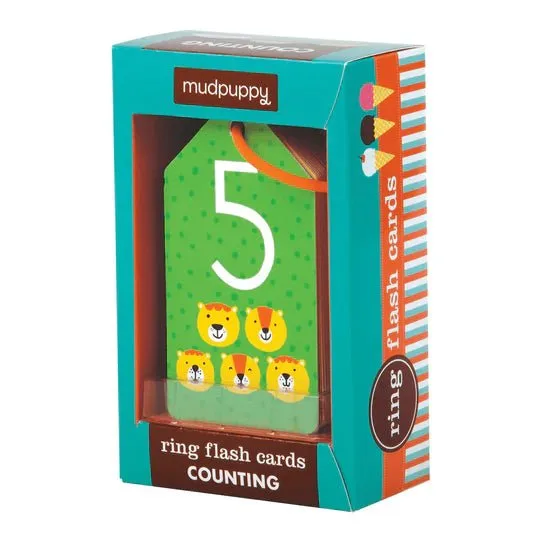
- Counting Ring Flash Cards: Mudpuppy's Counting Ring Flash Cards feature 20 double-sided cards with numbers on one side and a matching illustration on the other. The illustrations can become story prompts when a child wants a new character or setting to act out.
- Smoke Dragon Toy: The Smoke Dragon is closely related to the Fire Dragon, and this figure resembles the smoldering ashes of a fire. A dramatic character like a dragon gives older children a ready-made role for adventure stories.
Pretend play with puppets and dolls grows from small, repeatable moments. Keep the basket ready, model one line, hand over control, and end while the story is still fun. Over time, your child will need less prompting and more stage time.