Quick answer
Bra cup gapping usually means the band is too loose, the cup is too big, or the cup shape doesn't match your breast tissue. Start by checking your band fit and trying a smaller cup size or a different bra style like a t-shirt bra with a more flexible fit.
Why does bra cup gapping happen?
Gapping at the top of the cup is one of the most common bra fit complaints. It often occurs when the bra band rides up your back, pulling the cups away from your body. A band that is too large can't anchor the bra in place, so the cups shift and create a visible gap. Another frequent cause is choosing a cup shape that is too tall or too open on top for your breast shape. If you have less upper-pole fullness, a demi or balconette style may gap, while a full-coverage or t-shirt bra with a more contoured cup might sit smoothly.
Quick fixes to try before buying a new bra
Before you shop, try these adjustments. First, tighten the shoulder straps—loose straps can let the cup drop away from your chest. Next, check your band fit by pulling it away from your body at the back; if it stretches more than two inches, go down a band size. You can also use a bra extender to fine-tune the band if you're between sizes. Finally, scoop all breast tissue forward into the cup—sometimes what looks like gapping is just tissue that hasn't been properly positioned.
When to switch bra styles
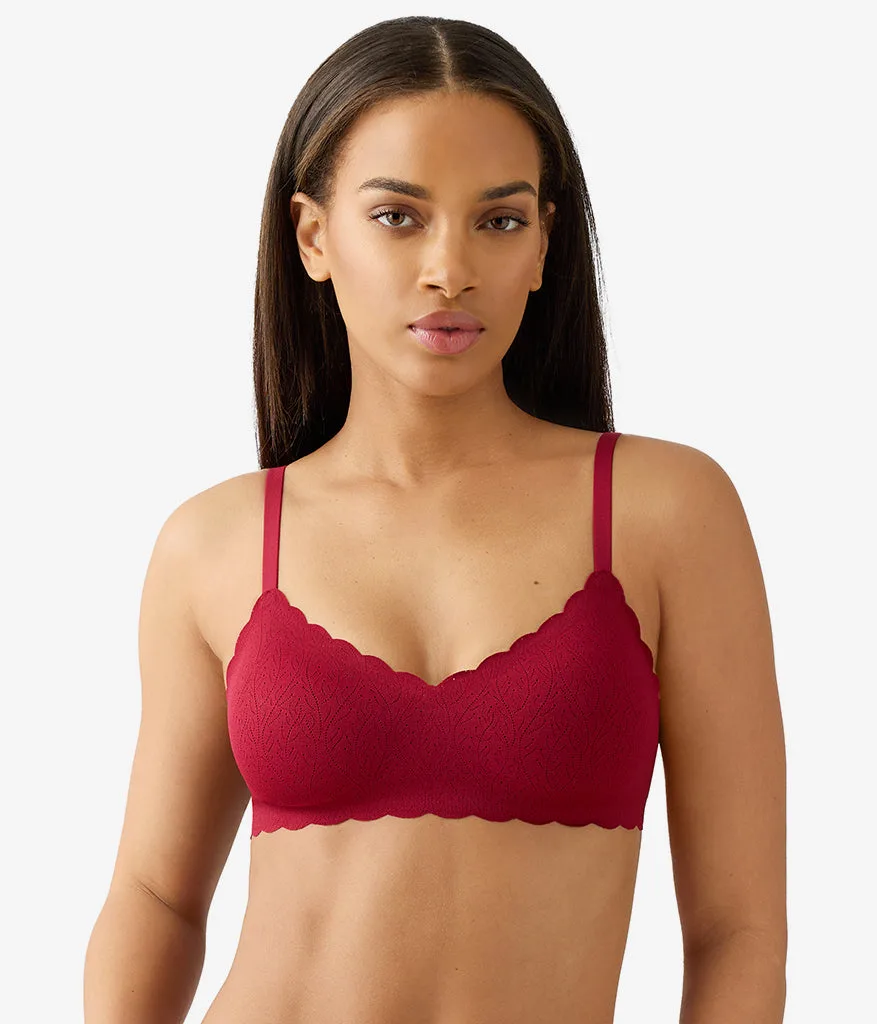
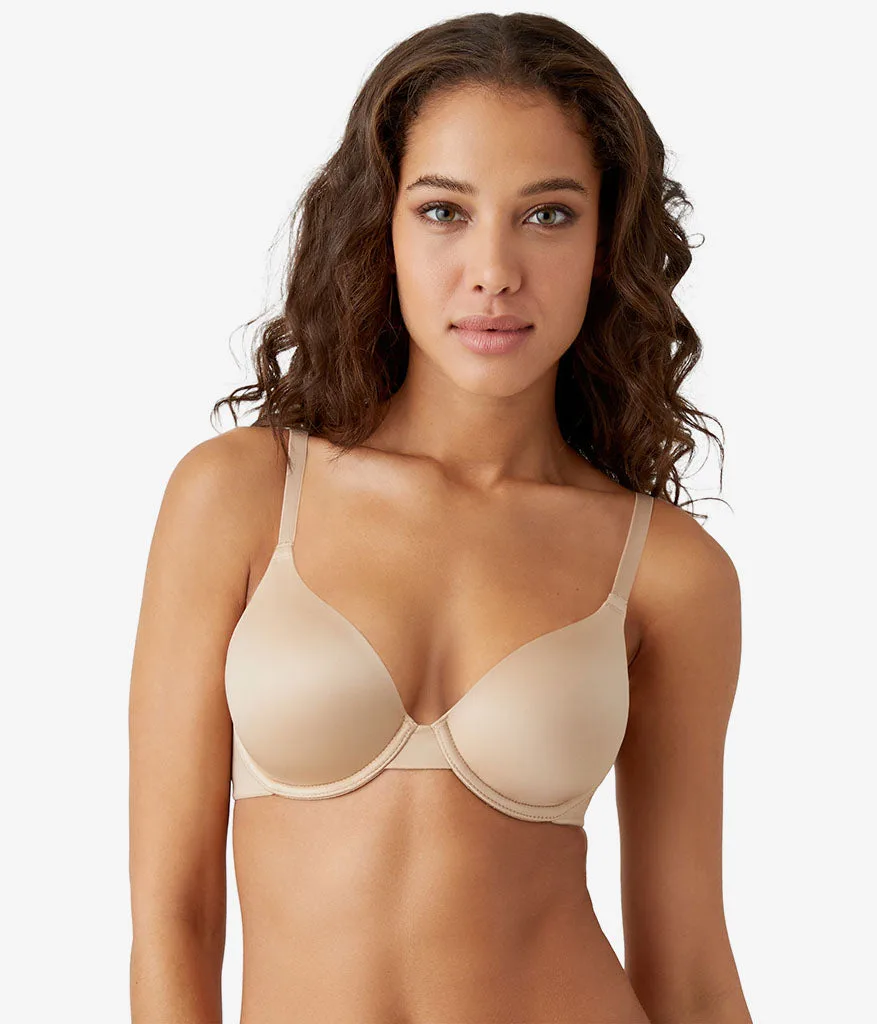
If adjustments don't close the gap, the bra shape may not be right for you. T-shirt bras with seamless, molded cups tend to hold their shape and work well for many breast types. The Future Foundation T-Shirt Bra from Wacoal, for example, uses an ultra-soft, flexible fabric that hugs your curves and adapts to your shape, reducing the chance of gapping. For those who prefer a wire-free option, the b.wow'd Lace Wire Free Bra offers a scalloped neckline and soft lace that sits gently against the skin, though its unstructured cups may gap if your tissue is very soft or if the band isn't snug. In that case, a bra with more structure and a firmer band is a better choice.
Diagnosis: Is your bra gaping?
- Symptom: You see a visible gap between the top edge of the bra cup and your chest, especially when you lean forward or raise your arms. This is a clear sign the cup isn't sitting flush against your body.
- Likely cause: The band is too loose, the cup is too large, or the cup shape is too tall or open for your breast tissue. Check your band fit first—it's the most common culprit.
- Corrective action: Tighten the straps, adjust the band to a snugger hook, or try a smaller cup size. If the gap persists, switch to a t-shirt bra with a molded, flexible cup. A structured t-shirt bra like the Future Foundation often solves the problem.
- Stop or choose another option: If you've tried a smaller cup size and a tighter band, and the gap still appears, the bra shape is not right for your breast shape. Move on to a different style—such as a full-coverage or plunge bra—rather than settling for a poor fit. Not every bra works for every body. It's okay to choose a different style.
Bras that help reduce cup gapping
- Future Foundation T-Shirt Bra: Au Natural: Our best-selling, lightweight t-shirt bra featuring ultra soft fabric with a subtle sheen hugs your curves and offers the most comfortable flexible fit. The flexible, molded cups conform to your natural shape, minimizing empty space at the top of the cup and creating a smooth look under tees and fitted tops.
- b.wow'd Lace Wire Free Bra: Wire-free construction for all-day comfort. Soft, smooth lace with a scalloped neckline. This wire-free bralette is great for light support days, but because it lacks a rigid cup shape, it may gap if your band is too loose or your tissue is very soft. It's best for A–C cups with fuller upper tissue.