Quick answer
Start with a low-pressure conversation outside the bedroom, frame the squishie as a fun add-on rather than a replacement, and let your partner handle it at their own pace. If you lead with curiosity and zero pressure, most partners will at least be open to learning what you enjoy.
Why the first conversation matters more than the toy
The way you bring up a squishie often matters more than the toy itself. If your partner feels ambushed or pressured, even a harmless silicone paw can feel like a threat. If they feel included in your curiosity, the same object becomes a shared discovery. So before you pull anything out of a drawer, decide what you actually want: permission to keep enjoying it privately, a partner who is curious, or full shared play. Those are three different conversations, and mixing them up is the most common reason these talks go sideways.
Pick the right moment and setting
Bring it up during a relaxed, neutral moment — a walk, a long drive, or a quiet evening on the couch — not right after sex or in the middle of an argument. You want both of you calm, clothed, and free to say "I need to think about that" without it feeling like rejection. A simple opener works best: "I read something about fantasy silicone toys and I'm curious — can I tell you about it?" That gives your partner a chance to opt in rather than being handed a surprise.
Explain what a squishie actually is
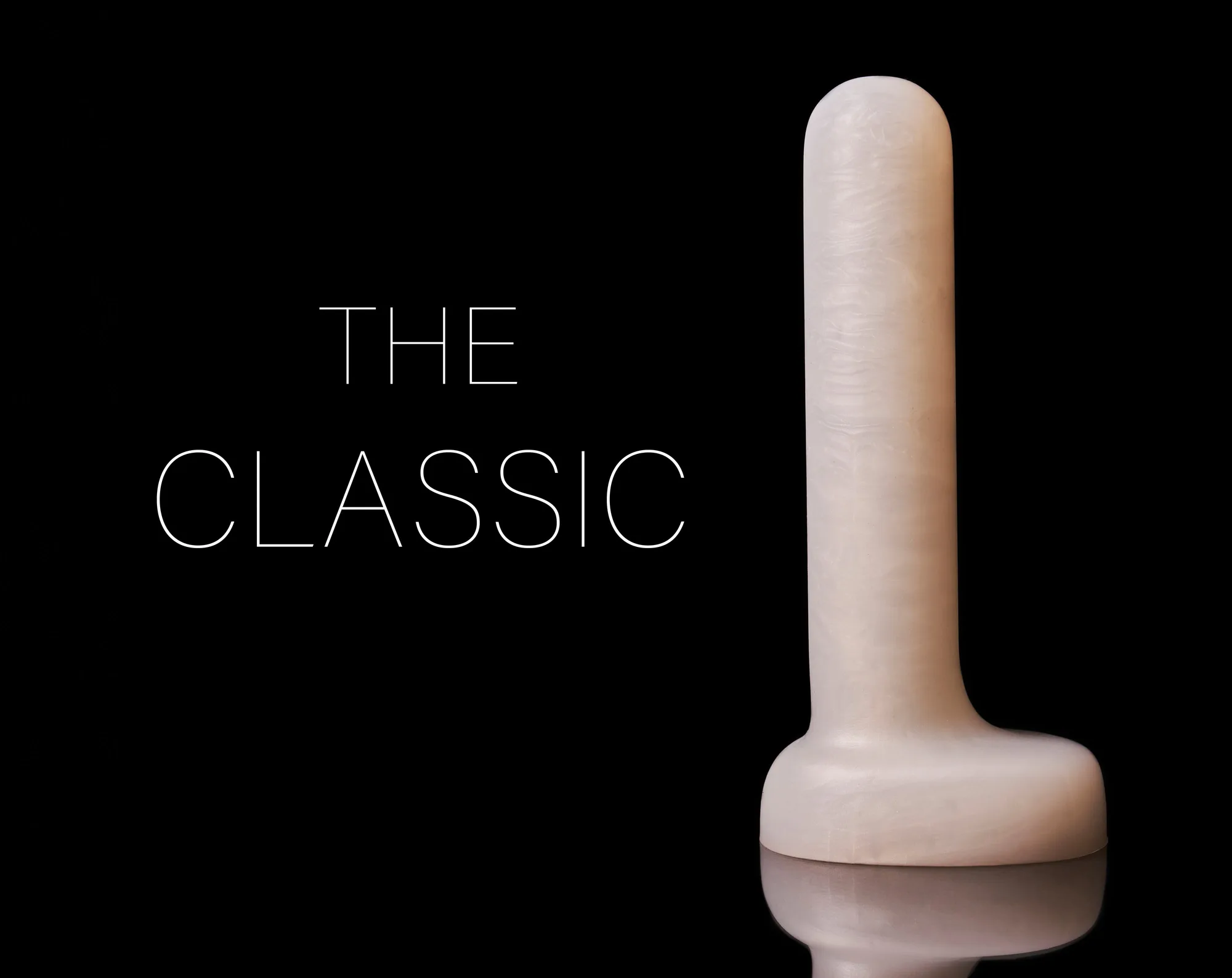
Many people hear "fantasy toy" and picture something extreme. In reality, squishies are often small, soft silicone objects — fidget-friendly shapes, mini paws, or beginner-friendly designs. Vulpini Design's Itty Bitty Beanies, for example, are squishy silicone mini paws sold as fidget or stress items, and each purchase comes with five randomly colored paws. That low-stakes framing helps a nervous partner see the toy as playful rather than intimidating. If your partner is open to something more involved later, you can introduce a beginner-friendly piece like The Classic, a smooth, rounded dildo available in medium or soft firmness. But don't start there — start with the least threatening version of the hobby.
Answer questions without oversharing
Your partner will likely ask why you like it, whether it replaces them, and whether they have to participate. Answer honestly but keep it short. "I like the texture and the way it feels different from anything else" is enough. You do not need to walk them through every fantasy or every toy in your collection on the first conversation. If they ask whether they have to use it, the honest answer is no — and saying that out loud often defuses more tension than any explanation.
Let them set the pace for hands-on exploration
If your partner is curious, offer a no-pressure introduction: wash the toy, hand it to them, and let them squeeze, bend, or just look at it. Do not guide their hand or narrate what you want them to do. Let them ask the next question. Some partners go from curious to enthusiastic in one evening; others need weeks. Both are normal. The goal of this stage is comfort, not performance.
Move to shared play only when both of you are ready
Shared play works best when it is framed as something you do together, not something done to one person. Start with the toy as an extra sensation during otherwise familiar intimacy, and check in verbally as you go. If either of you feels awkward, stop and laugh about it — awkwardness is not failure. Couples who can giggle through the first attempt usually get to the fun part faster than couples who treat it like a test.
Step-by-step: introducing a squishie to your partner
- Check your own motivation first: Decide whether you want permission, curiosity, or shared play before you say anything. Know what a good outcome looks like for you. Common mistake: starting the conversation without knowing what you're actually asking for.
- Choose a calm, neutral moment: Bring it up during a relaxed activity, not during or right after sex, and not during a disagreement. Checkpoint: if either of you is tired, stressed, or rushed, wait.
- Use a low-stakes opener: Lead with curiosity, not a confession. "I read about something and I'm curious" gives your partner room to opt in. Common mistake: treating the conversation like a reveal that requires a reaction.
- Explain the simplest version first: Describe squishies as small, soft silicone objects or fidget items before you mention anything more advanced. Checkpoint: if your partner looks uncomfortable, stop and ask what they're feeling.
- Answer questions briefly and honestly: Address whether it replaces them, whether they have to participate, and why you like it — in a few sentences, not a lecture. Common mistake: oversharing fantasies or collection details before your partner has asked.
- Offer a hands-off introduction: Wash the toy and let your partner hold, squeeze, or examine it without direction or pressure. Checkpoint: if they hand it back, that's not rejection — it's information.
- Try shared play only when both of you say yes: Start with the toy as an extra sensation during familiar intimacy, and check in verbally as you go. Common mistake: pushing for a full session on the first try. Awkwardness is normal; stop and laugh if you need to.
Products that make good conversation starters
- Itty Bitty Beanies: Itty Bitty Beanies are squishy silicone mini paws sold as fidget or stress toys, and each purchase comes with five randomly colored paws. A low-cost, non-intimidating item is the easiest way to introduce the idea of silicone toys without making the conversation feel like a big reveal.
- The Classic: The Classic is a minimalistic, beginner-friendly dildo with a smooth shaft and rounded head, available in medium (00-50) or soft (00-30) firmness. If your partner is open to trying a toy together, a simple, smooth design is far less intimidating than an elaborate fantasy shape, and the two firmness options let you match comfort level.