Quick answer
Start by mixing a small amount of wet food into your cat's current diet, gradually increasing the ratio over 7–10 days. Warm the wet food slightly to boost aroma, and use a cat food topper like a sprinkle of freeze-dried meat to entice your cat to eat. Patience and consistency are key.
Why Cats Turn Up Their Noses at Wet Food
Cats are creatures of habit, and a sudden switch from dry kibble to wet food can feel unfamiliar or even suspicious. Texture, temperature, and smell all play a role. Wet food has a stronger odor and softer consistency, which some cats initially reject. Understanding this helps you choose the right approach rather than forcing the change.
Choosing the Right Wet Food for a Picky Cat
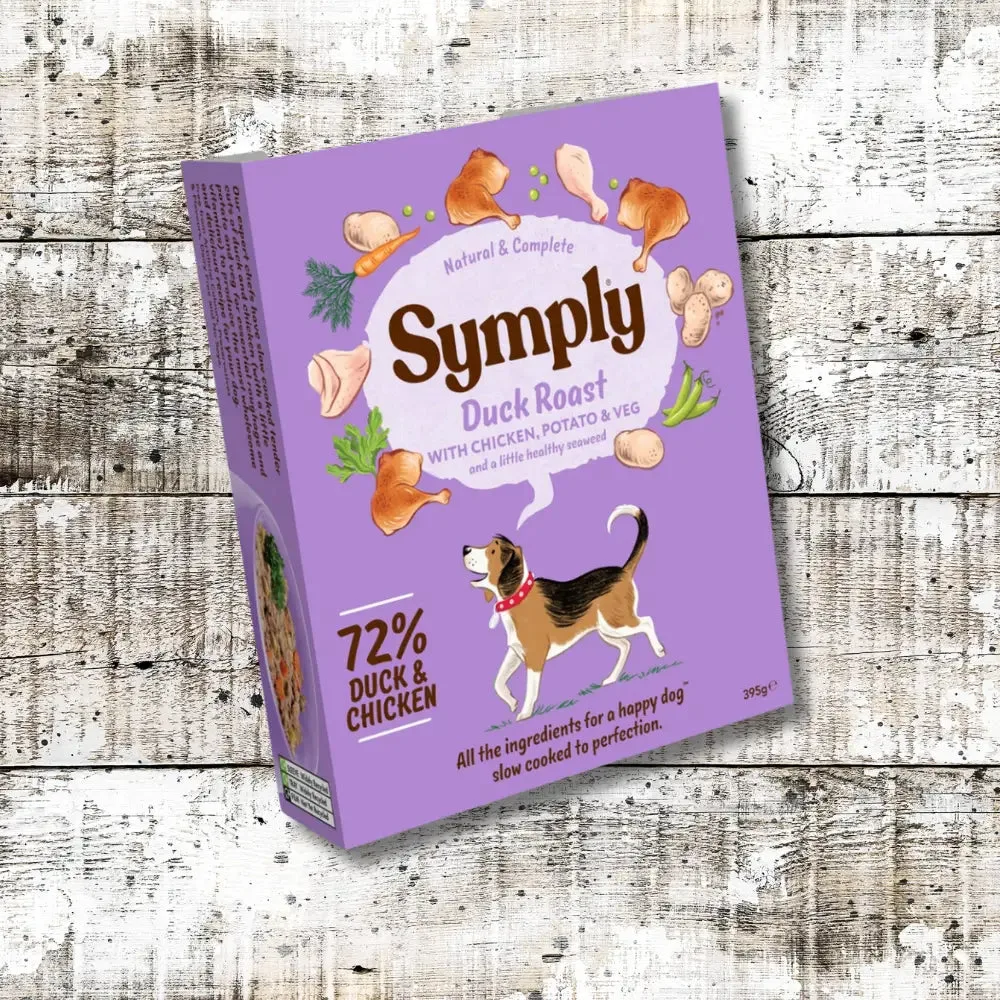
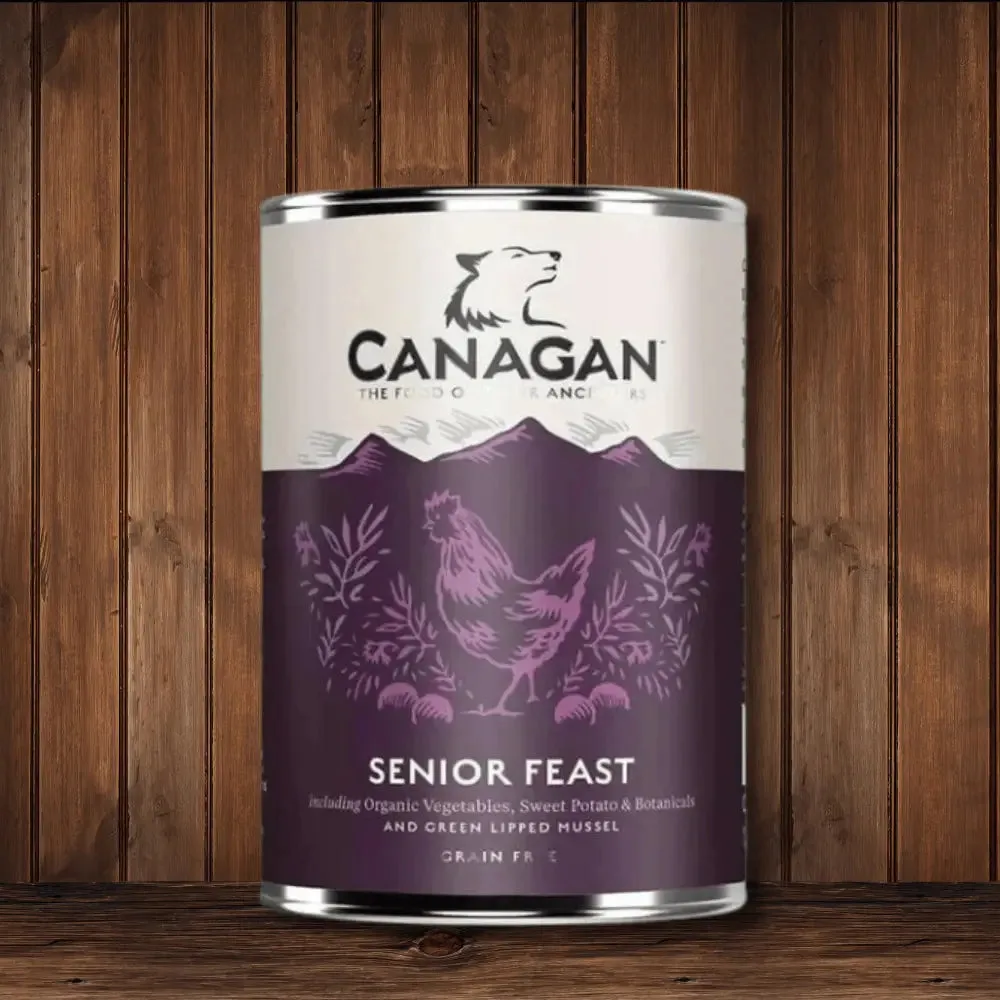
Not all wet foods are created equal. Look for grain-free recipes with real meat as the first ingredient, like Canagan Wet Dog Food Can - Senior Feast or Symply Duck Roast Grain Free Adult Wet Dog Food. While these are formulated for dogs, the principle applies: high-quality protein sources and natural ingredients tend to be more appealing. For cats, choose a complete and balanced wet cat food with similar standards.
Step-by-Step Transition Plan
- Step 1: Start with a tiny taste: Place a pea-sized amount of wet food next to your cat's usual kibble. Do not mix it in yet. Let your cat sniff and investigate. This low-pressure introduction builds curiosity without forcing a change. Common mistake: offering too much too soon. A small taste is enough.
- Step 2: Mix a small ratio: After a day or two, mix 1 part wet food with 4 parts dry food. Warm the wet food for 5–10 seconds in the microwave (stir well to avoid hot spots) to release its aroma. The stronger smell can help entice your cat to eat. Checkpoint: if your cat leaves the wet food, go back to Step 1 for another day.
- Step 3: Gradually increase the wet food ratio: Every 2–3 days, increase the wet food portion while decreasing the dry. Aim for a 50:50 mix by day 5 or 6. If your cat eats readily, you can move faster; if hesitant, slow down. Common mistake: rushing the transition can cause your cat to stop eating entirely.
- Step 4: Use a cat food topper: Sprinkle a small amount of a high-value topper, such as crushed freeze-dried meat or a bit of shredded chicken, over the wet food. This adds familiar flavor and texture that can encourage your cat to try the new food. Checkpoint: if your cat eats the topper but not the wet food, try mixing the topper into the wet food.
- Step 5: Serve at the right temperature and texture: Cats prefer wet food at room temperature or slightly warm. Cold food straight from the fridge is less aromatic and less appealing. If your cat dislikes pâté, try a chunkier or shredded variety. You can also mash the food with a fork to change the texture. Common mistake: serving cold wet food. Always warm it gently.
- Step 6: Be patient and consistent: Offer the wet food at the same time each day, and remove uneaten food after 30 minutes. Do not free-feed dry food during the transition, as it reduces motivation. Stick with the plan for at least 10 days before concluding your cat won't accept wet food. Final verdict: most picky cats will accept wet food with patience. If not, consult your vet for underlying issues.
Products That Can Help
- Canagan Wet Dog Food Can - Senior Feast: Canagan Senior Feast is a complete and balanced grain-free food with organic vegetables, fresh meat and chelated minerals. It is totally grain free and free from artificial colourings, preservatives, flavourings and sweeteners. A grain-free recipe with real meat and no artificial additives can be more palatable for sensitive cats. The natural ingredients may help entice a picky eater without overwhelming their senses.
- Symply Duck Roast Grain Free Adult Wet Dog Food: Symply Duck Roast Grain Free Adult Wet Dog Food is a grain free, complete and balanced recipe featuring succulent cuts of meat and vegetables, gently cooked. The gentle cooking process preserves natural flavors and nutrients, making the food smell and taste more appealing. This can be a good option for cats that respond well to meaty aromas.