Quick answer
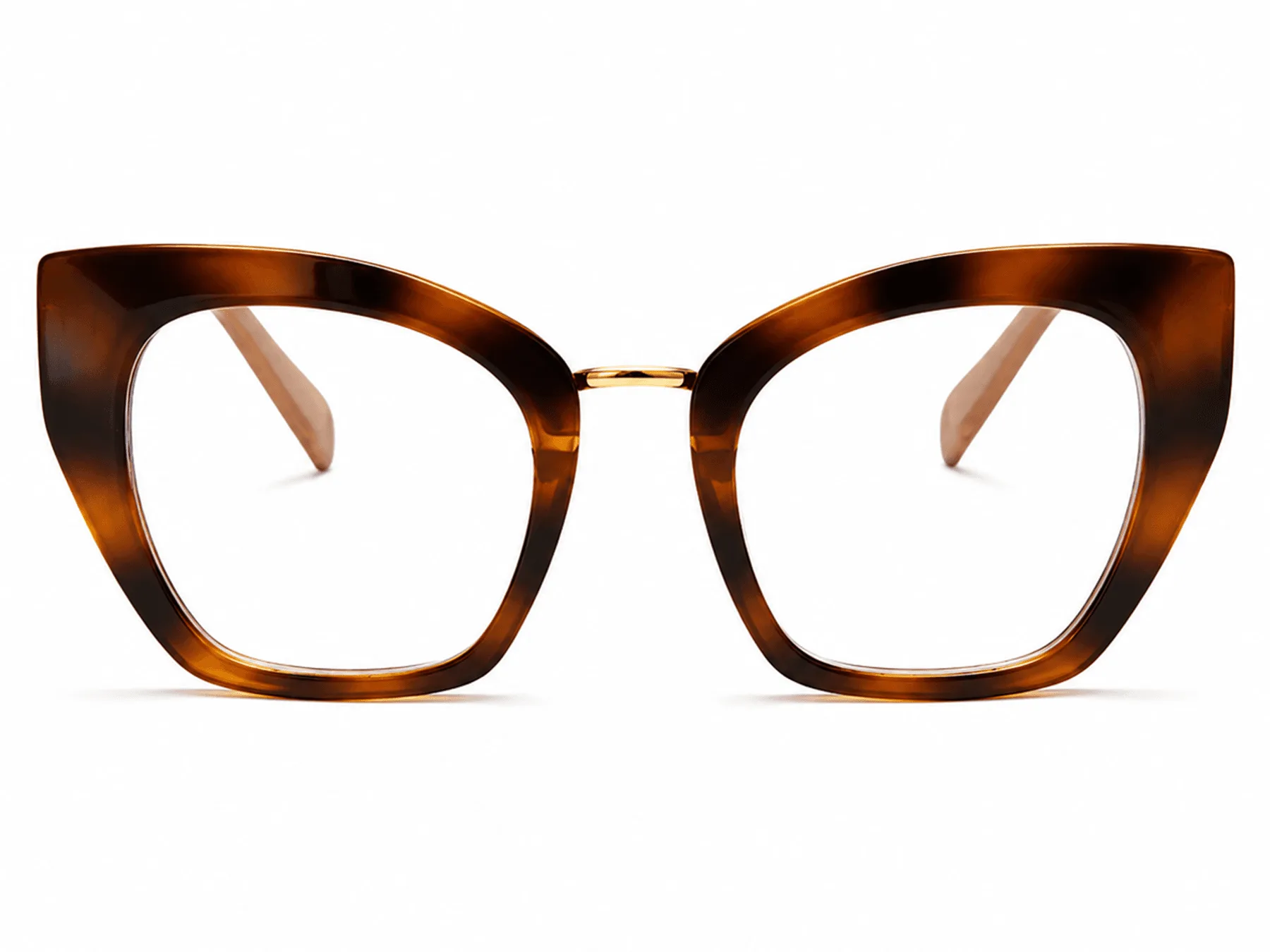
Most cat eye sunglasses slip because the frame is too wide, the temples are not bent to grip behind your ears, or the nose pads no longer touch the sides of your nose. Start by checking whether the frame moves when you look down. If it does, tighten the temple curve first, then adjust nose pads. If the frame is already snug across the face and still slides, the problem is usually the lens or frame weight pulling it forward.
Check the frame width before you adjust anything
A cat eye frame that is too wide cannot be fixed by bending the temples alone. Measure your face at the widest point, then compare it to the frame width. If the frame is more than 6–8 mm wider than your face, the temples will push outward instead of gripping. In that case, tightening will only make the fit uncomfortable. Move to a narrower frame or add silicone temple sleeves as a temporary fix.
Adjust the temples for a secure ear grip
The temple tips should curve down behind your ears and touch lightly. If they sit straight or flare outward, the sunglasses will slide forward when you bend over. Heat the temple tip with a hair dryer for 10–15 seconds, then bend it downward in small steps. Hold the bend until the acetate cools. Test the fit by looking down; the frame should stay in place. Repeat on the other side only if needed.
Reset the nose pads on acetate cat eye frames
Many cat eye sunglasses have molded acetate nose pads rather than adjustable metal arms. If your frame has metal arms, pinch them inward gently with your fingers until the pads touch the sides of your nose. If the pads are molded, you cannot move them without risk. In that case, add self-adhesive silicone nose pads to the existing bridge. Clean the bridge with alcohol first, then press the pads on and let them set for an hour before wearing.
When to stop adjusting and choose a different frame
Stop if the frame cracks, the lens pops out, or the temples feel painful after 10 minutes. Acetate becomes brittle with repeated heating, so limit yourself to two adjustment attempts per temple. If the frame still slides after that, the shape or size is wrong for your face. Look for a frame with a smaller lens width or a different bridge width. A proper optical shop can measure your bridge and temple length, but for online purchases, use the listed specifications as your guide.
Slipping diagnosis: symptom, cause, action, stop point
- Symptom: frame slides down when you look down: Likely cause: temple tips are not curved behind the ears. Action: heat and bend the temple tips downward in small steps. Stop if the acetate cracks or the frame feels tight at the sides. A proper temple curve should hold the frame without pressure.
- Symptom: frame sits too low on your nose: Likely cause: nose pads are too far apart or worn smooth. Action: pinch metal pad arms inward or add silicone pads to molded bridges. Stop if the pads dig into your nose or leave red marks after 10 minutes. Pads should touch the sides of your nose, not the top.
- Symptom: frame feels loose but temples are tight: Likely cause: frame width is too large for your face. Action: measure your face width and compare to the frame width. Stop adjusting and choose a narrower frame if the difference is more than 8 mm. No amount of bending will fix a frame that is too wide.
- Symptom: one side slips more than the other: Likely cause: one temple is bent differently from the other. Action: place the frame on a flat surface and check for wobble. Bend the higher temple down slightly. Stop if the frame becomes uneven or the lens pops out. Both temples should touch the table at the same time.
Cat eye frames with adjustable potential
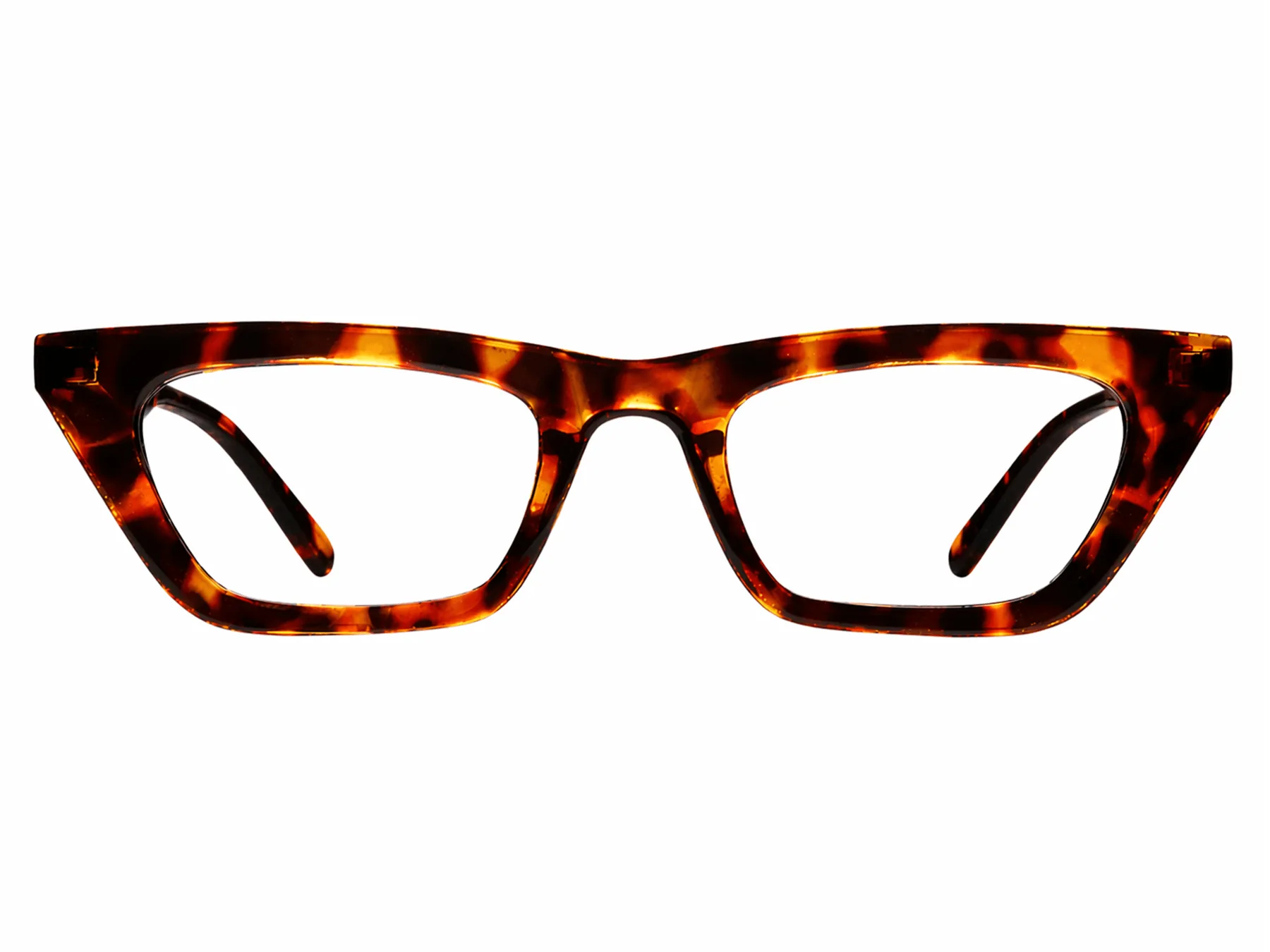
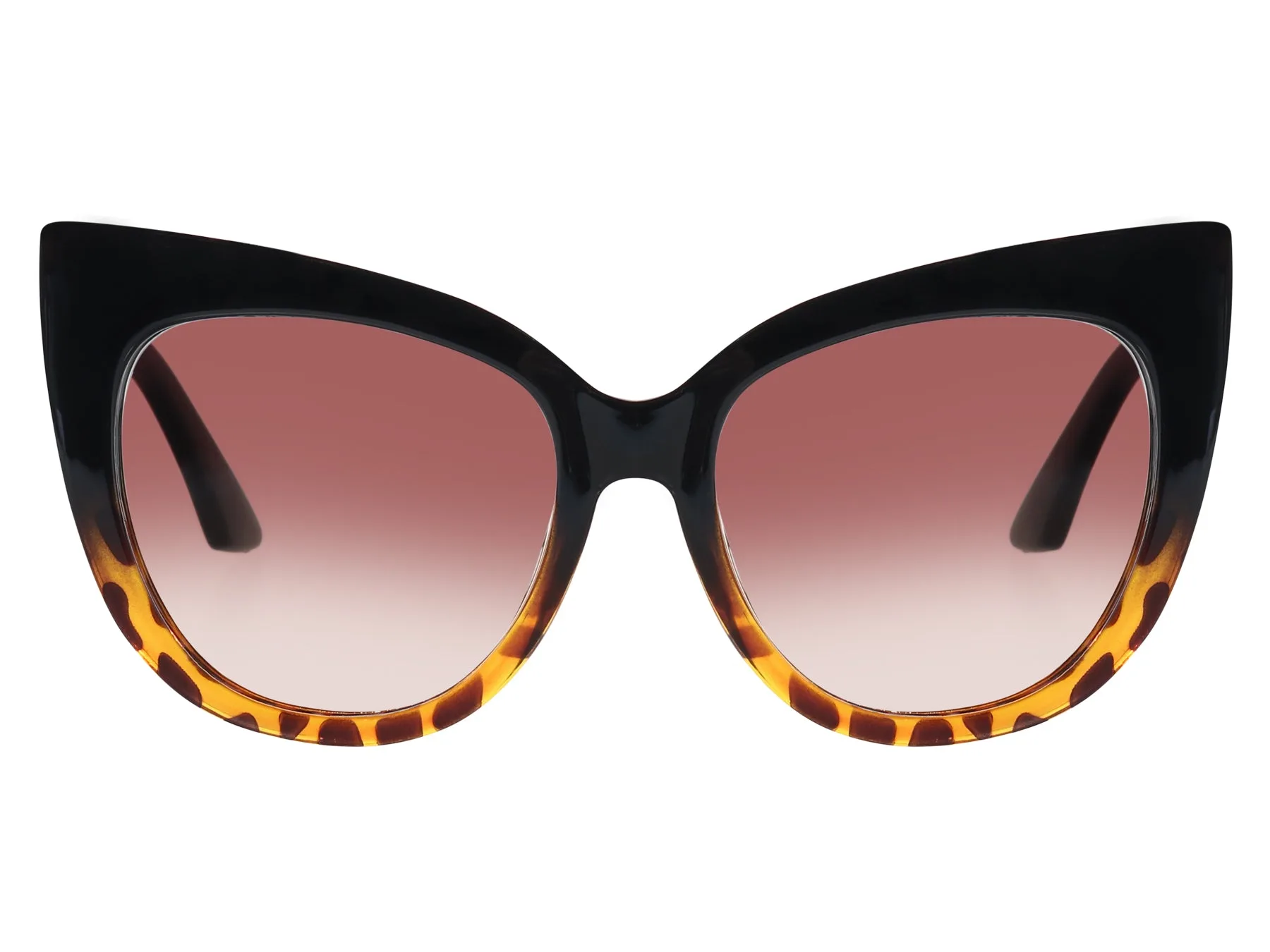
- Aristocrat Cat Eye Sunglasses: Lens width 55 mm, frame width 144 mm, temple length 147 mm, acetate cat eye frame, 30 grams. The 144 mm frame width suits a medium face. The 147 mm temple length gives enough material to bend behind the ear for a secure grip.
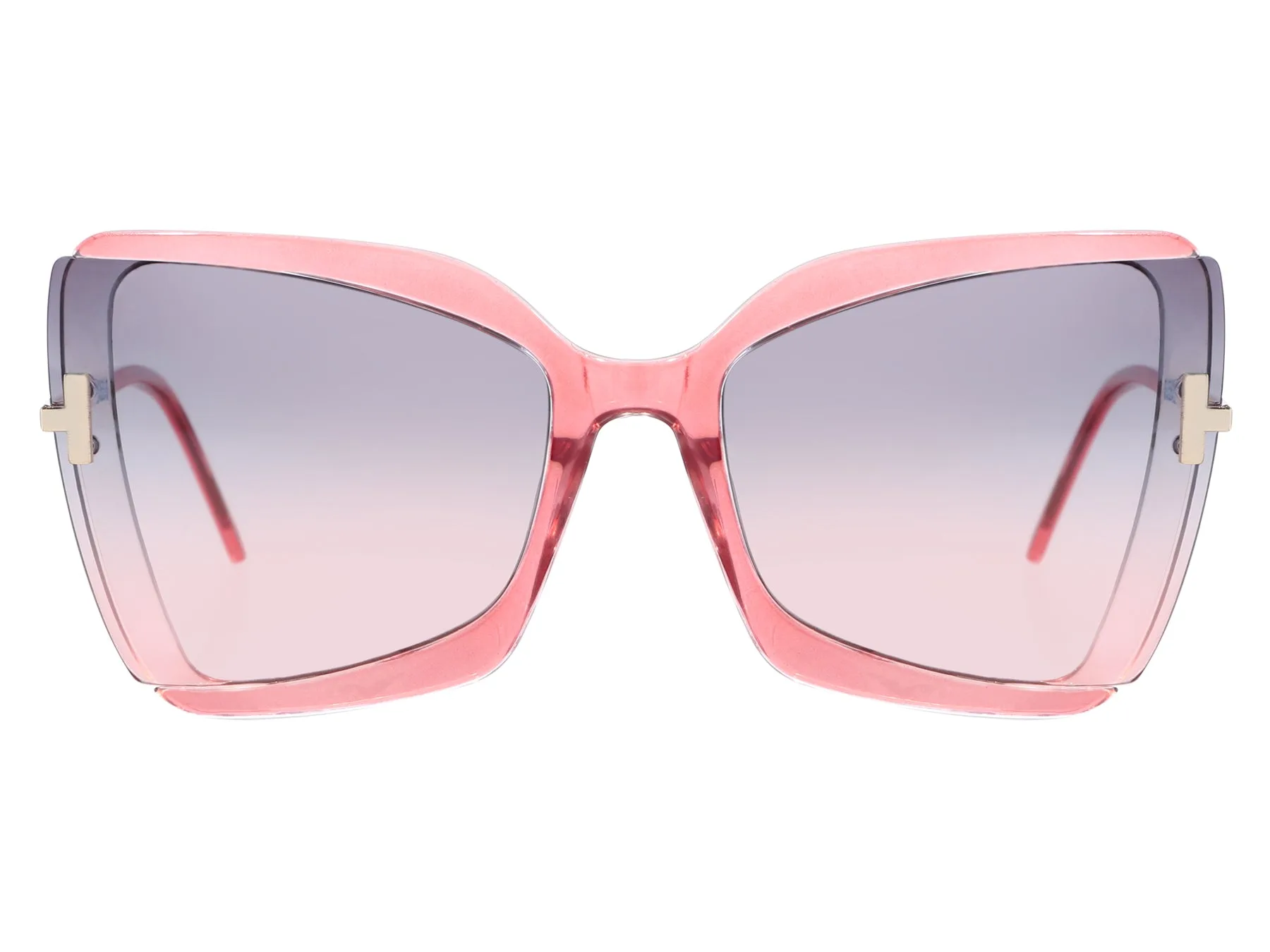
- Lyla Cat Eye Sunglasses: Lens width 65 mm, frame width 150 mm, temple length 137 mm, acetate cat eye frame, 31 grams. The wider 150 mm frame and shorter 137 mm temples can slip on narrower faces because the temples may not reach far enough behind the ear. Check your face width before buying.
- Rhea Statement Glasses: Lens width 50 mm, frame width 146 mm, temple length 151 mm, acetate geometric frame, 26 grams. The longer 151 mm temples and lighter 26-gram frame reduce forward sliding, but the geometric shape may not suit everyone. Use the temple length as a starting point for adjustment.