Quick answer
Label your luggage by attaching a durable tag to the top handle with your name, a mobile number, and an email address—nothing more. Put a copy of the same details inside the bag. Skip your home address and never use a tag that can flip open and spill your information.
Airline baggage systems move fast, and a bag without clear identification is far more likely to disappear for good. The fix takes five minutes and costs almost nothing, but the details matter: what you write, where you put it, and how you secure it all affect whether your bag finds its way back to you.
This guide walks through labeling your luggage correctly, from choosing the right tag to adding a backup inside. You will also see how a few small accessories—like a keyring or a luggage cover—can make your suitcase easier to spot and harder to lose.
Why correct labeling matters
Airlines scan barcodes and route bags by computer, but when a tag falls off or a bag is misdirected, a human has to read what is on it. That is when clear, current contact information makes the difference between a bag returned in a day and one that never comes back. Lost luggage prevention starts with making your bag identifiable at a glance.
Suitcase identification is not just about avoiding loss. A distinctive tag or cover helps you spot your bag on a crowded carousel without grabbing someone else’s. It also signals that the bag is cared for, which can subtly discourage casual tampering.
- Use a tag that attaches with a sturdy loop, not a flimsy elastic band.
- Write in permanent ink or use a printed card that will not smudge.
What to write on your luggage tag
The best luggage tag information is minimal and reachable. Put your full name, a mobile number with country code, and an email address. That is enough for an airline or a fellow traveler to contact you. Avoid your home address—anyone who sees the tag can learn where you live, and you will not be there to receive a call anyway.
If you are traveling internationally, add a second phone number for someone who can answer while you are in the air. Do not include your flight number or destination; those change and can confuse a finder. The goal is to reach you, not to describe your itinerary.
- Use a mobile number you will actually answer while traveling.
- Check that your email is legible and not your work address if you will be offline.
Where to attach tags and backups
Attach the main tag to the top handle of your suitcase or bag. That handle is the one baggage handlers grab first, so the tag stays visible. For backpacks and duffels, use the top grab handle rather than a zipper pull, which can break off. If your bag has multiple handles, put a second tag on the side handle for redundancy.
Inside the bag, place a card or a small piece of paper with the same contact details. If the outside tag is torn off, the inside copy is your safety net. A business card works, but a dedicated luggage tag card is sturdier. You can also write your details on a piece of tape and stick it to the interior lining.
- Do not attach tags to wheels or telescopic handles—they can snag or break.
- Use a luggage tag with a privacy flap so your details are not visible to everyone.
Make your bag visually distinct
Black suitcases look alike, and a tag alone may not help you spot yours from across the carousel. Add a bright luggage cover, a colored strap, or a distinctive keyring. These visual cues speed up suitcase identification and reduce the chance you walk off with the wrong bag. They also make your bag easier for airline staff to describe if it goes missing.
A luggage cover protects your suitcase from scuffs and adds a layer of personalization. If you use a cover, make sure your tag is still visible and not tucked underneath. The same goes for straps: they can hide a tag, so position them so the tag remains readable.
- Choose a cover or strap color that contrasts with your suitcase.
- Avoid covering your tag with a strap or handle wrap.
Check and update before every trip
Contact details change, and an old phone number on a tag is almost as bad as no tag at all. Before you leave, confirm that your mobile number and email are current. If you are traveling with a partner or friend, consider adding their number as a backup. For families, label each bag with the same primary contact so all bags can be traced together.
Also inspect the tag itself. A cracked loop or faded ink means it is time to replace it. Keep a spare tag in your carry-on so you can swap it out at the airport if needed. A quick pre-trip check takes seconds and prevents a small problem from becoming a lost bag.
- Take a photo of your bag and tag before checking it in.
- If your tag has a privacy cover, make sure it closes securely.
Your labeling checklist: 5 steps to a findable bag
- Write the right details: Put your full name, mobile number with country code, and email on the tag. Leave off your home address and flight details. Checkpoint: can a stranger reach you with just this information?
- Attach the tag to the top handle: Use a sturdy loop and secure it to the handle baggage handlers grab first. Avoid wheels, zippers, and telescopic handles. Mistake to avoid: attaching to a zipper pull that can snap off.
- Add an inside copy: Place a card with the same contact details inside the bag, ideally in a zipped pocket or taped to the lining. Checkpoint: if the outside tag is lost, will the inside copy survive?
- Make it visually distinct: Add a colored luggage cover, strap, or keyring so you can spot your bag instantly. Keep the tag visible and not covered. Mistake to avoid: letting a strap or cover hide your tag.
- Review before every trip: Confirm your contact details are current, inspect the tag for wear, and pack a spare tag in your carry-on. Next step: take a photo of your bag and tag before checking in.
Antler accessories that help with labeling and identification
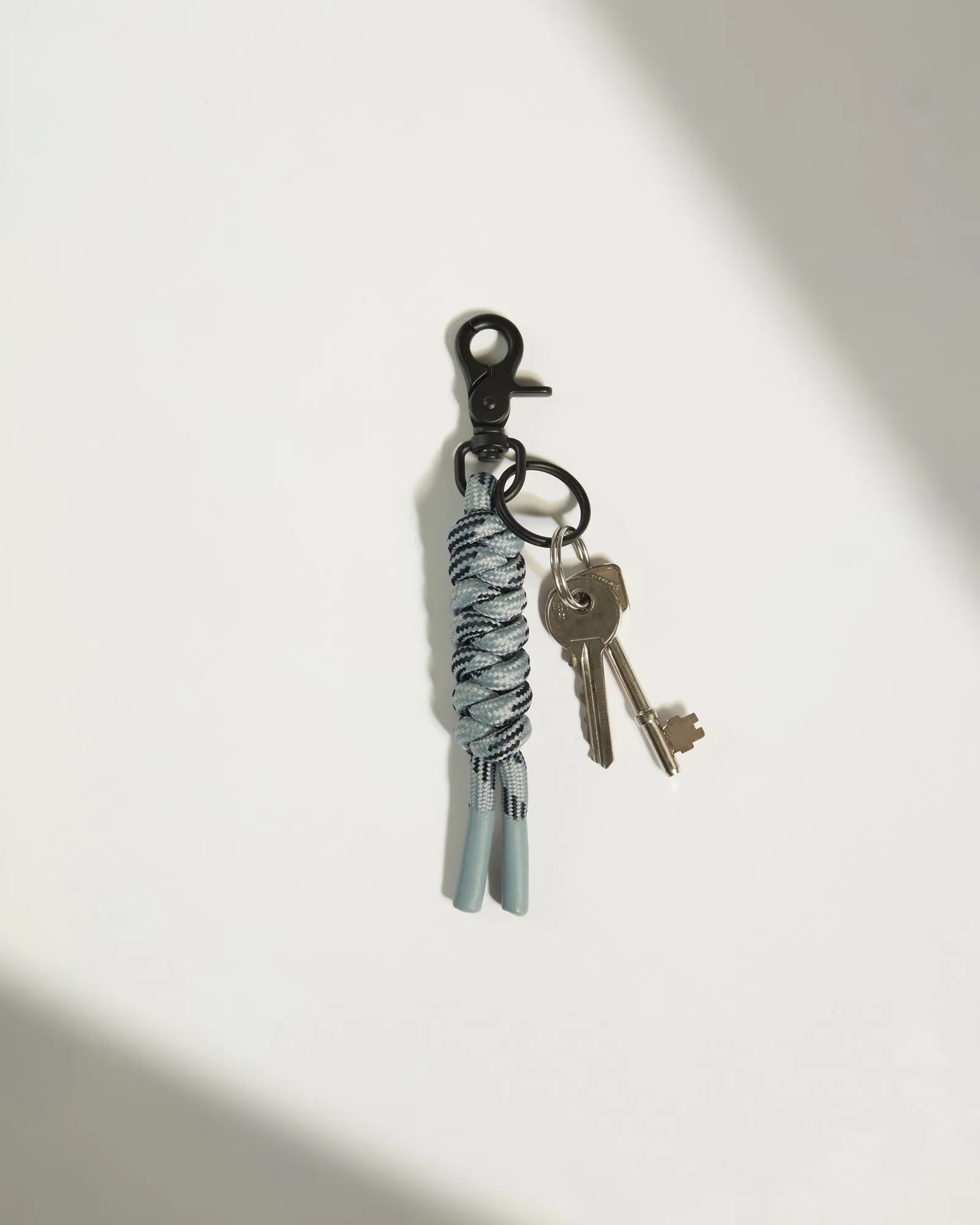
- Discovery Keyring in Mist Blue: The Discovery Keyring keeps keys and essentials secure and within reach, whether clipped to your bag, bottle holder, or belt loop. It features a chunky cord design with rubber-dipped ends and an extra keyring loop for attaching additional belongings or charms. Clip it to your bag’s handle or zipper to add a bright, tactile identifier that makes your luggage easier to spot and gives you a place to attach a small tag.
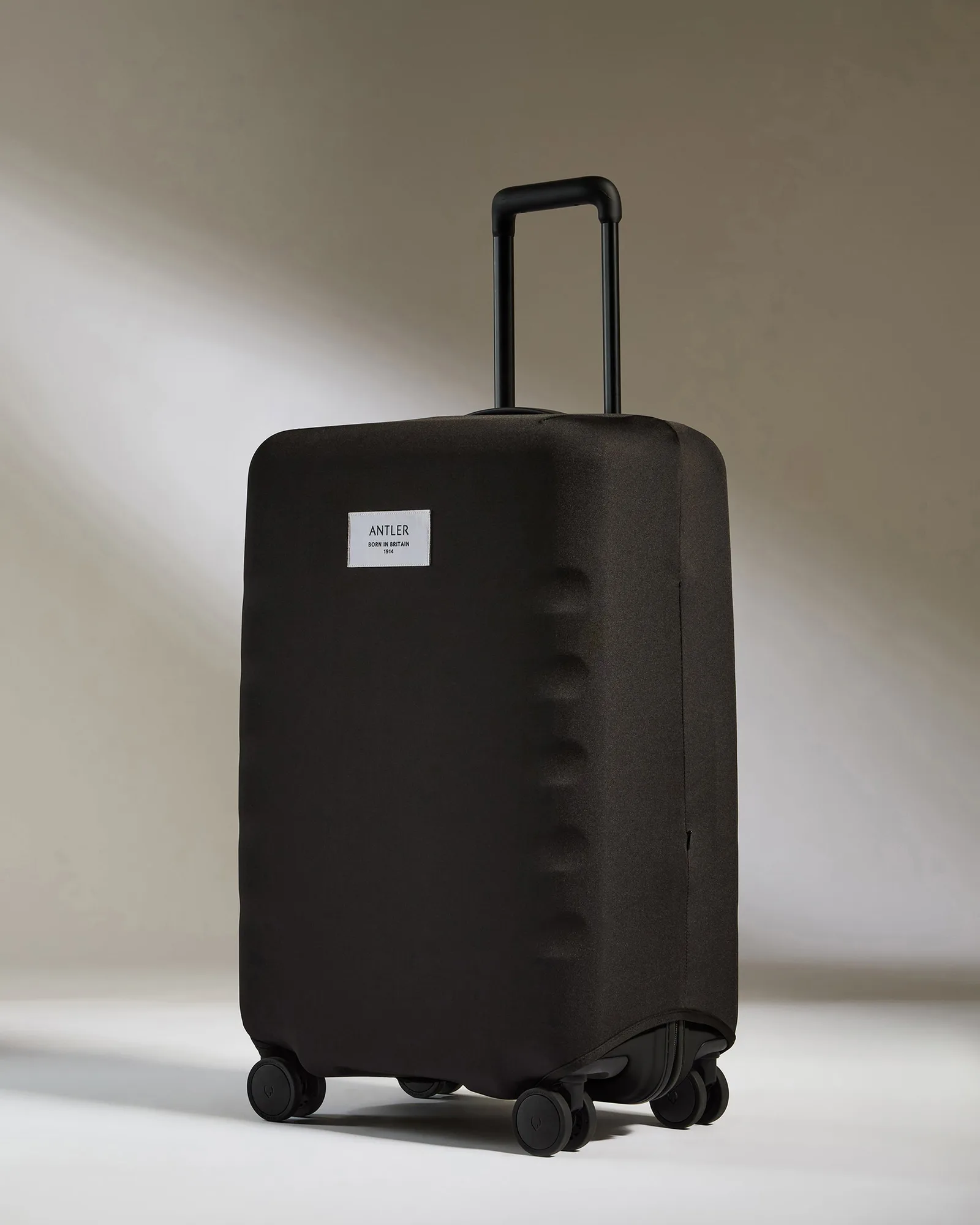
- Luggage Cover Medium in Black: Made from a premium stretch fabric, this luggage cover is sized to fit a variety of suitcases, including those in Antler’s new Icon Collection. It helps you identify your luggage on the carousel and keeps it in spit-spot condition. A cover adds a distinct look to your suitcase and protects it from scuffs, but you still need a visible tag—so attach your tag to the handle before you put the cover on.
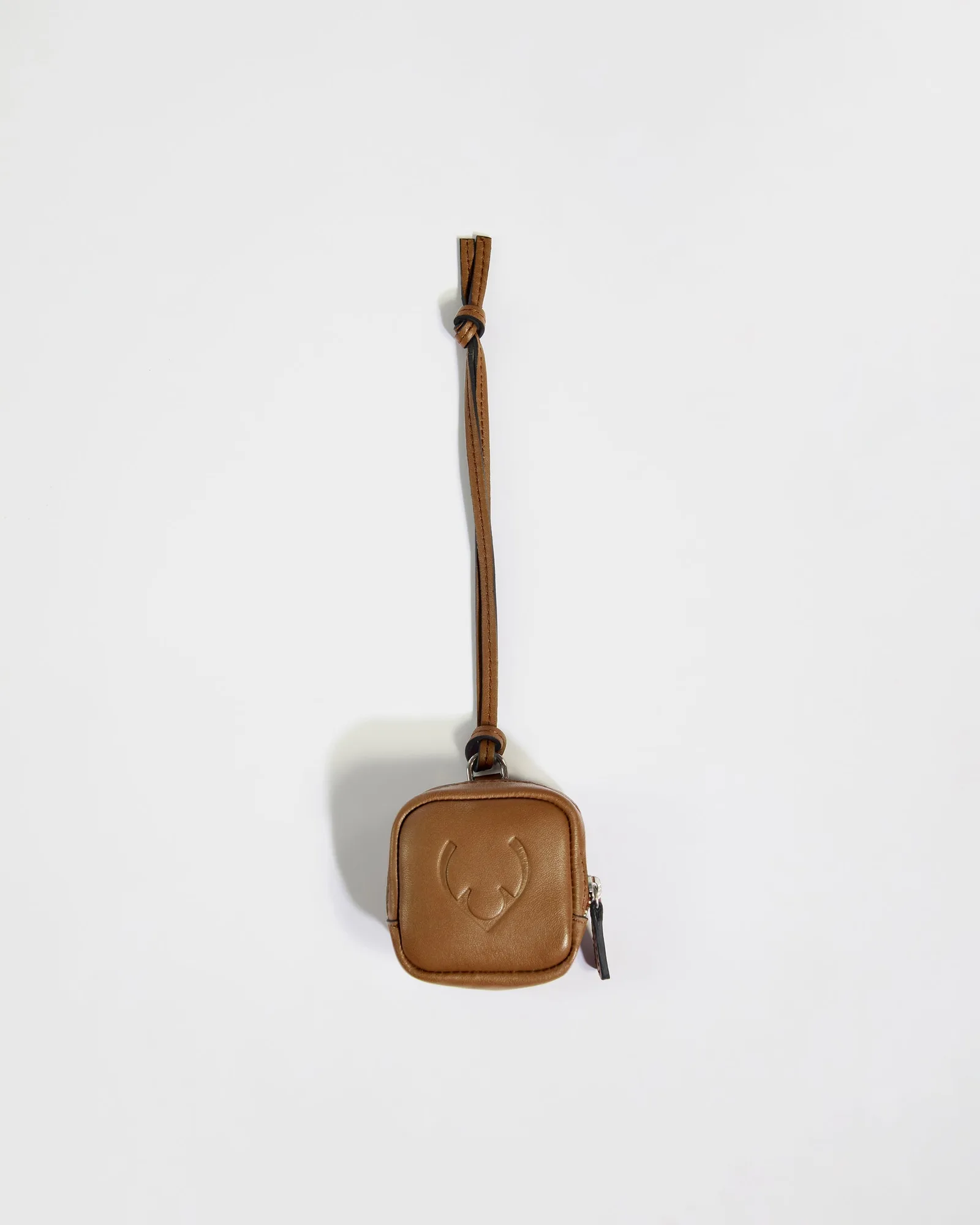
- Heritage Leather AirPods Case in Tan: Crafted from smooth leather, the AirPods Case is designed to hold even the largest AirPods or small essentials like charging cables and coins. The removable lanyard allows you to clip it securely to your bag, suitcase, or keyring. Use the lanyard to clip a small contact card or a spare tag to your bag, keeping your details accessible without adding bulk.
Labeling your luggage correctly is a small habit that pays off every time you travel. Use a durable tag with minimal, current contact details, add an inside copy, and make your bag visually distinct. A few minutes of preparation can mean the difference between a stressful loss and a quick reunion with your belongings.