Quick answer
Layer your dog in three functional layers: a base layer that manages moisture against the coat, an insulating mid layer that traps warmth, and a weatherproof outer layer that blocks wind, rain, or snow. Add or remove the mid layer as your dog's activity level changes, and always check fit at the shoulders, chest, and leg openings before you head out. For working dogs, keep the harness or leash attachment outside the clothing so it stays accessible.
Why layering works better than one heavy coat
A single thick coat is either too warm when your dog is moving or too cold when you stop to train, talk, or wait. Layering lets you match insulation to output: a dog trotting a scent line generates heat, while a dog holding a down-stay in wind loses it fast. It also lets you dry or replace one wet layer without stripping the whole system.
The tradeoff is bulk. Every added layer can restrict shoulder reach and leg clearance, which matters most for working dogs that jump, track, or move in and out of vehicles. Use the lightest layers that keep your dog comfortable, and treat fit as part of the function, not an afterthought.
Match each layer to a job, not a temperature number
Base layers sit against the coat and should be smooth, stretchy, and moisture-friendly. Their job is to limit rubbing and move dampness away from the skin, not to add much warmth. Look for a close fit that does not bunch at the armpits.
Mid layers provide the insulation you will add and remove most often. Fleece, lofted synthetics, and quilted vests work here because they trap air without blocking movement. If your dog runs hot, a mid layer may be all you need on a dry, windless day.
Outer layers handle weather. A windproof and water-resistant shell keeps the mid layer dry, and a dry mid layer keeps its loft. If the shell lacks a leash opening, you will end up unzipping it every time you clip a leash, which defeats the purpose. Choose outer layers with a reinforced harness slot or a cut that lets you attach gear without exposing your dog's back.
Fit checks that prevent rubbing and heat loss
Check three zones before every walk. At the chest, you should be able to slide two fingers under the closure without forcing it. At the shoulders, ask your dog to sit and then reach forward; the fabric should not pull tight across the shoulder blades. At the leg openings, confirm the cuffs do not ride up into the armpits when your dog walks or trots.
A layer that is too loose traps cold air and can snag on brush. A layer that is too tight flattens the coat and reduces the insulating air gap. If you are between sizes, size up on the outer shell and keep the base layer snug. For dogs with thick double coats, a close-fitting base layer can actually compress the coat and reduce natural insulation, so test it on a short walk first.
Adjust layers as the walk or shift changes
Start slightly cool rather than slightly warm. A dog that begins a walk warm will overheat once movement begins, and damp underlayers chill quickly when you stop. Remove the mid layer at the first sign of heavy panting, and put it back on during rest breaks, vehicle transitions, or when you switch from moving to standing.
For K9 handlers and trainers, plan your own layers alongside your dog's. Pockets that hold treats, a clicker, or a leash loop keep your hands free and reduce the time your dog stands still in the cold. Clothing with functional cargo storage and unrestricted mobility makes the whole system easier to manage.
Step-by-step layering routine
- Start with a clean, dry base layer: Put on a smooth, close-fitting base layer before any insulation. It should sit flat against the coat with no twists at the chest or armpits. Checkpoint: if the base layer bunches when your dog sits, it is too loose or the cut is wrong for your dog's build.
- Add the mid layer and test movement: Put on the insulating layer, then ask your dog to walk, trot, sit, and lie down. Watch the shoulder and flank for pulling or gaps. Common mistake: choosing a mid layer by size chart alone. Movement reveals fit problems that standing still hides.
- Add the weatherproof shell last: Put the outer layer over the mid layer and confirm it does not compress the insulation flat. Check that the harness or leash attachment point is still reachable. Checkpoint: if you have to unzip the shell to clip a leash, the shell is not set up for working walks.
- Set up your leash and collar for quick access: Clip your leash and confirm your dog's ID is visible before you open the door. A hands-free leash or a reflective collar with a readable tag keeps you from fumbling in the cold. Common mistake: burying the collar under a tight neck opening, which hides ID and makes quick adjustments harder.
- Adjust layers at the first sign of overheating or chilling: Remove the mid layer when your dog pants heavily or slows down. Add it back during rest breaks, vehicle transitions, or any long pause. Checkpoint: a dry base layer plus a shell is often enough while moving; the mid layer earns its place when you stop.
- Dry and inspect every layer after the walk: Hang damp layers to dry and check for rubbed seams, packed-out insulation, or wet spots that did not dry. Rotate in a dry mid layer for the next outing. Common mistake: storing damp gear in a bag or vehicle, which flattens insulation and leaves a cold, wet layer for the next walk.
Gear that supports a layering routine
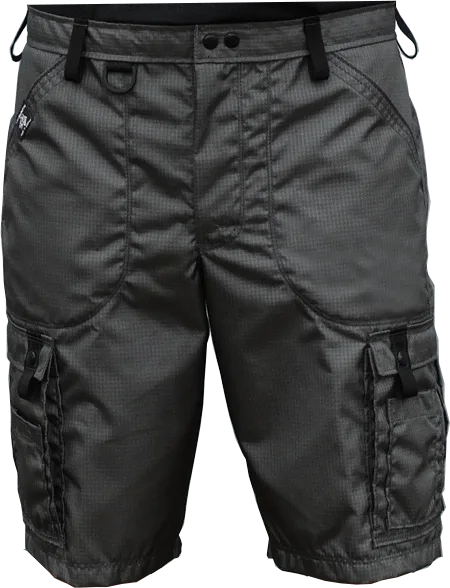
- CaliberDog Ripstop K9 Handler Cargo Shorts: The CaliberDog Ripstop K9 Handler Cargo Shorts are built for professional dog trainers, K9 handlers, police officers, military personnel, and working dog enthusiasts who need exceptional storage, unrestricted mobility, and lasting comfort during warm-weather training. Proudly made in the USA, these cargo shorts combine rugged construction with a functional design. When you are adding and removing layers on a working dog, you need your own clothing to keep up. Deep cargo storage holds treats, a clicker, or a folded leash, and unrestricted mobility lets you crouch, kneel, and move without fighting your gear.
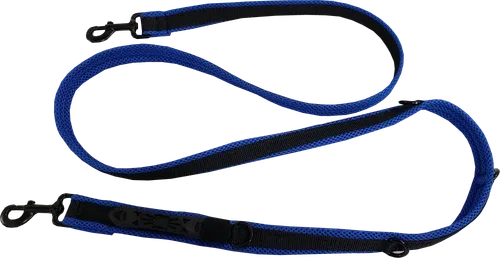
- Spacer Mesh Service Dog Hands Free Leash: The Spacer Mesh Service Dog Hands Free Leash is made of 3/4 inch wide nylon backed with cushion comfort spacer mesh for additional padding and comfort. It comes with black metal hardware and a built-in molded handle that folds down when not needed. A hands-free leash keeps your hands available for adjusting layers, checking fit, or managing a second dog. The padded spacer mesh reduces pressure during long walks, and the fold-down handle gives you a close-control option without switching leashes.
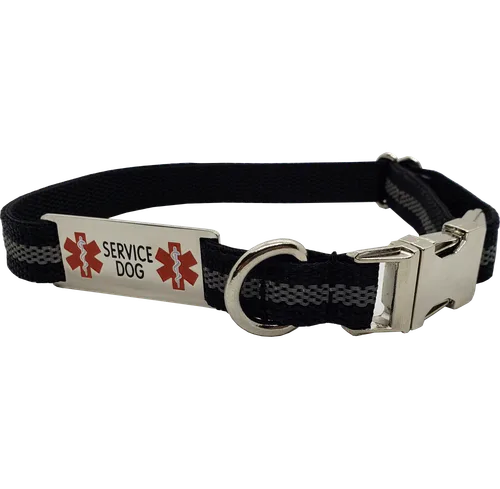
- Reflective Service Dog Collar W/Chrome Service Dog ID Tag: The Reflective Service Dog Collar W/Chrome Service Dog ID Tag has a wide reflective band running through the collar, chrome metal hardware including a side release buckle and adjusting slide, and a chrome Service Dog identification tag. Cold-weather walks often happen in low light, and layered clothing can cover a dog's back. A reflective collar stays visible at the neck even under a coat, and the chrome ID tag keeps service dog identification readable when a vest or jacket is on.