Quick answer
Loading 110 film into a miniature camera is straightforward: open the camera back, drop in the cartridge, pull the film leader across to the take-up spool, and advance until the frame counter reads "1."
Why loading 110 film is different from 35mm
110 film comes in a self-contained cartridge, so you never handle the bare film. That makes it faster and less prone to dust or fingerprints than 35mm. But the cartridge must seat firmly against the camera's film plane — a loose fit leads to soft focus across the frame.
Because the cartridge is symmetrical, it's easy to insert it backward. Most miniature cameras have a small notch or arrow inside the chamber that indicates which way the cartridge should face. Check your camera manual or look for a raised guide before dropping it in.
Choosing the right 110 film for your subject
Not all 110 films behave the same. For everyday outdoor snapshots, an ISO 200 film like Lomography Tiger gives natural colors and fine grain. If you want surreal tones — turning green grass purple or blue skies green — try Lomography Lomochrome Purple at ISO 400, which needs bright daylight to work its magic.
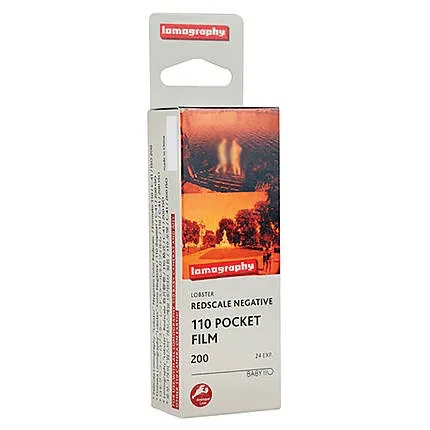
For warm, dramatic portraits or street scenes, Lomography Color Lobster produces yellow, red, and orange shifts because the film is reverse-rolled. That effect works best in strong sunlight; in overcast conditions the colors can look muddy.
How to load 110 film step by step
- Open the camera back and locate the cartridge chamber: Slide or unclip the back cover. You'll see a rectangular chamber with a small notch or arrow indicating orientation. Hold the cartridge so the film exit slot faces the lens. If the cartridge doesn't drop in flat, rotate it 180° — it's probably backward.
- Drop in the cartridge and close the back: Press the cartridge firmly into the chamber until it clicks. Close the camera back — the door should snap shut without force. If it resists, the cartridge isn't seated properly. Never force the back closed. A misaligned cartridge can jam the advance mechanism.
- Advance the film to frame 1: Turn the film advance wheel (usually on the bottom or side) until it stops. You'll feel resistance when the first frame is in position. The frame counter should now show "1." If the counter doesn't move after several turns, the film leader may have slipped off the take-up spool — open the back and re-seat the cartridge.
- Start shooting and advance after each exposure: After taking a shot, wind the advance wheel fully until it stops again. Never wind partway — you'll create overlapping frames. Most 110 cameras have a double-exposure prevention mechanism that locks the shutter until you advance. Listen for the distinct click that tells you the frame is locked in place.
Films that work well in miniature cameras
-
Lomography Lomochrome Purple Color Negative Film (110 Cartridge, 24 Exposures: Lomography Lomochrome Purple is an experimental ISO 400 film that shifts blues to greens and greens to purple, with fine grain and high sharpness. Use it in bright daylight to get surreal color effects without post-processing — ideal for creative projects.
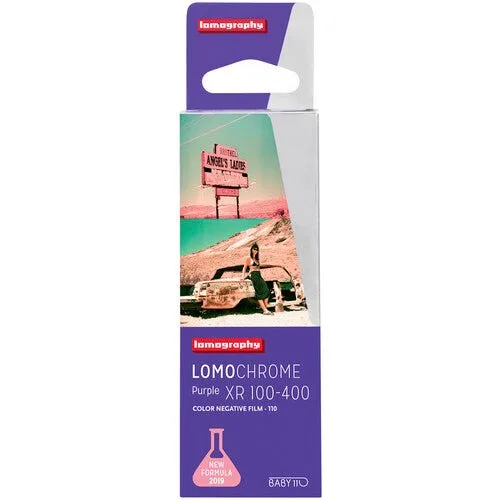
Lomography Lomochrome Purple Color Negative Film (110 Cartridge, 24 Exposures
-
Lomography Tiger Color Negative Film (110 Cartridge, 24 Exposures): Lomography Tiger is an ISO 200 daylight-balanced film with rich authentic colors and fine grain. It's a reliable everyday choice for well-lit scenes or flash photography, giving natural-looking results.
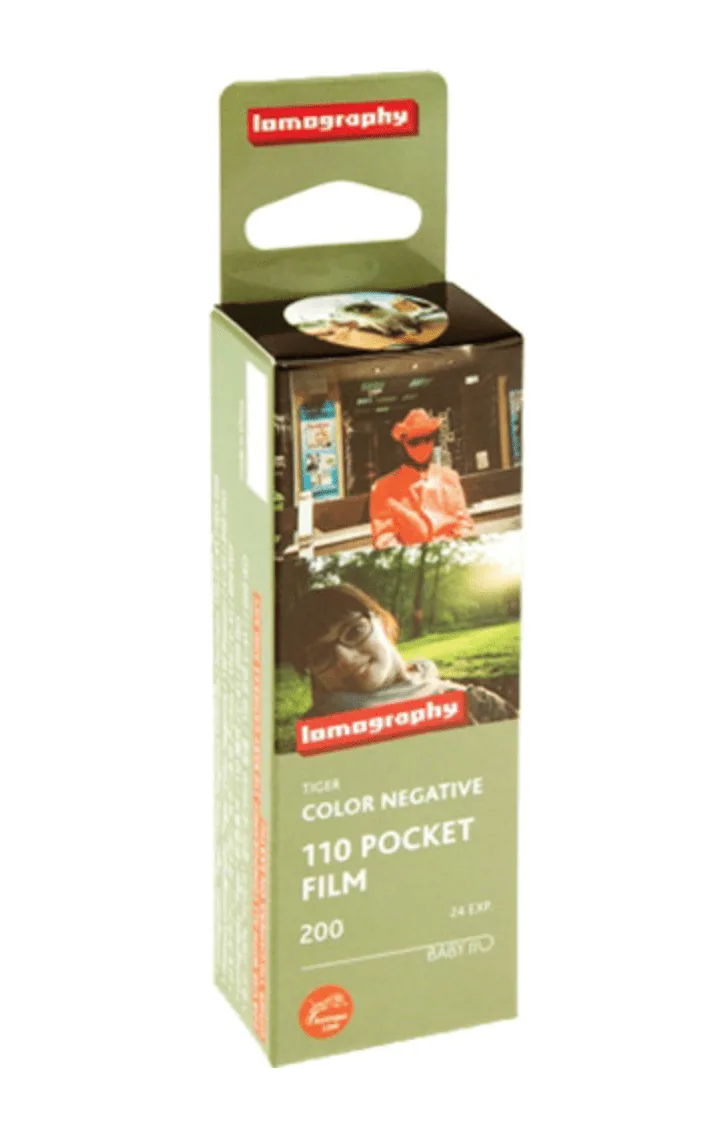
Lomography Tiger Color Negative Film (110 Cartridge, 24 Exposures)
-
Lomography Color Lobster 110 200 ASA Single Roll: Lomography Color Lobster is reverse-rolled to produce yellow, red, and orange tones when exposed through the base. Perfect for adding a warm, vintage look to portraits or street shots in strong sunlight.