Quick Answer
Match pan lids by measuring the outer rim diameter, checking the rim shape, and choosing a compatible material like glass or stainless steel that seals well without damaging the ceramic coating.
Why Lid Fit Matters for Ceramic Nonstick Cookware
A poorly fitting lid lets steam escape, making food cook unevenly and take longer. For ceramic nonstick cookware, the wrong lid can also scratch the coating or cause heat spots. Getting the right fit preserves both performance and the pan's nonstick surface.
Most ceramic cookware sets include matching lids, but if you lose one or want a replacement, you need to know what works. Not all lids are interchangeable, even if the diameter seems close.
Material Choices: Glass vs. Stainless Steel vs. Ceramic Lids
Glass lids let you monitor cooking without lifting the lid, which helps retain heat and moisture. They are generally lighter and dishwasher-safe, but can break if dropped or exposed to sudden temperature changes.
Stainless steel lids are durable and oven-safe at higher temperatures. However, they are heavier and don't let you see inside. They also need a good seal to prevent rattling.
Ceramic lids match the look of your cookware and offer even heat retention, but they can be heavier and more fragile than stainless steel. Always check that the rim is smooth to avoid scratching the pan's interior.
Step-by-Step Lid Matching Guide
- Measure the Outer Rim Diameter: Use a ruler or measuring tape to measure the outside edge of the pan's rim, not the inner cooking surface. Lids are sized by the outer diameter. Common sizes include 8, 10, and 12 inches. A lid that is even 1/4 inch too small will not seal properly.
- Check the Rim Shape and Lip: Look at whether the pan has a rolled rim, a flat rim, or a slight lip. Some lids have a metal band that hooks under the rim for a snug fit. A flat rim works best with a lid that has a matching flat edge or a silicone gasket. A lid designed for a rolled rim may wobble on a flat rim, letting steam escape.
- Test the Lid Seal on the Pan: Place the lid on the pan and gently rock it side to side. There should be minimal movement. For glass lids, check that the metal rim sits flush against the pan's edge. For stainless steel lids, ensure the handle doesn't tilt the lid off-center. If you see a visible gap or hear rattling, the lid is not a proper match.
- Consider the Lid Handle and Oven Safety: Check the handle material. Metal handles are usually oven-safe to 400°F or higher, while plastic or silicone handles may have lower limits. If you plan to use the lid in the oven, confirm the temperature rating matches your recipe. A lid with a plastic handle may melt if used under the broiler.
Product Spotlight
-
Cardamom™ 3 Qt. Saucepan with Lid | Ceramic Coated Cookware: The Cardamom™ 3 Qt. Saucepan with Lid features ceramic coated cookware designed for even heating and easy release. Its included lid is purpose-built for the saucepan's rim, ensuring a tight seal that prevents moisture loss and protects the ceramic coating from scratches.
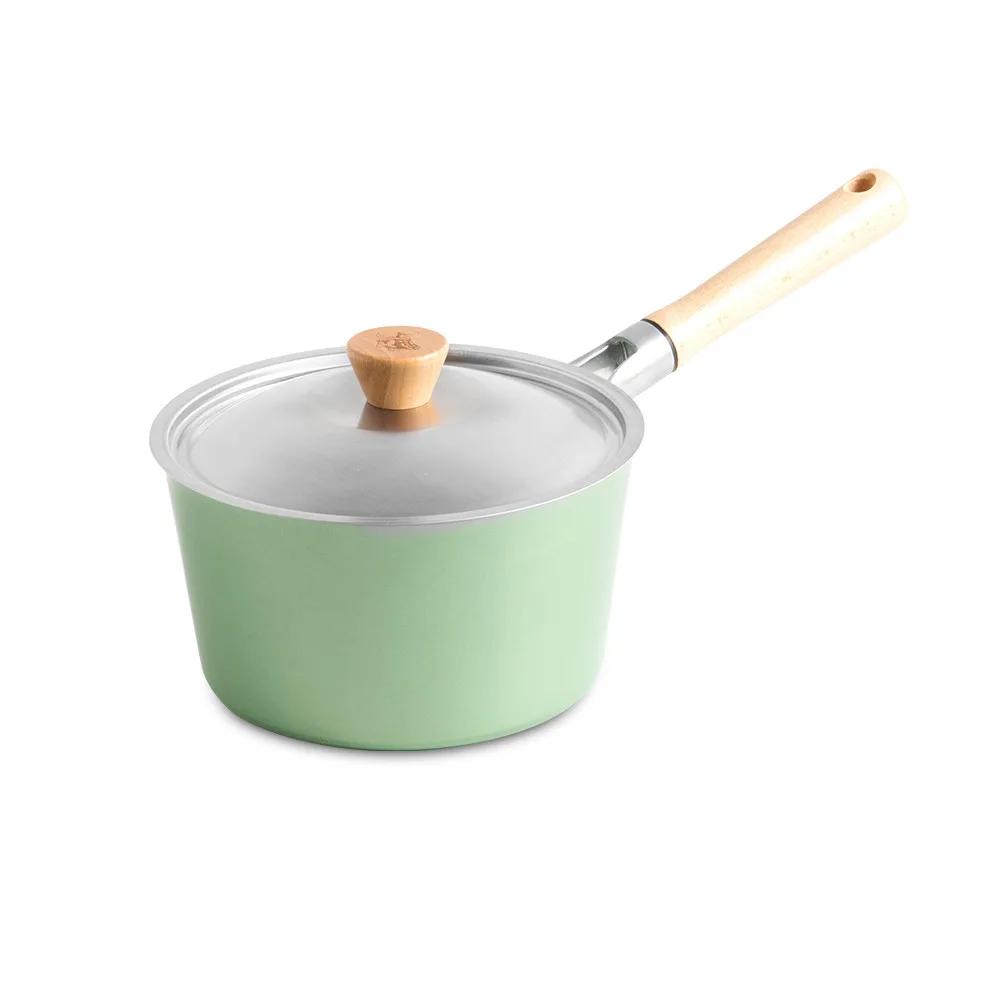
Cardamom™ 3 Qt. Saucepan with Lid | Ceramic Coated Cookware