Quick Answer
To measure for shapewear, use a soft tape measure to record your natural waist, the fullest part of your hips, and your torso length. Compare these numbers to the brand's size chart, and choose the size that matches your largest measurement. Always measure while wearing minimal clothing and stand straight but relaxed.
Shapewear can smooth and sculpt, but only if it fits correctly. A too-tight garment creates bulges and discomfort; too loose, and it won't provide the support you need. That's why taking accurate measurements is the first and most important step.
In this guide, we'll walk you through how to measure for shapewear, including your waist, hips, and torso length. We'll also share common mistakes to avoid and tips for using a shapewear size chart effectively.
What You'll Need
Before you start, gather the right tools. A soft, flexible measuring tape is essential—cloth or plastic works best. You'll also need a mirror to check tape placement, and it's helpful to wear form-fitting underwear or shapewear you already own, so the tape lies flat against your body.
Avoid using a metal tape measure or a ruler, as they won't conform to your curves. If you don't have a soft tape, use a piece of string and then measure it against a ruler.
string
- Soft measuring tape
- Mirror
- Form-fitting clothing or underwear
How to Measure Your Waist
Your natural waist is the narrowest part of your torso, usually about an inch above your belly button. Bend to the side—the crease that forms is your natural waist. Wrap the tape around this area, keeping it parallel to the floor. Ensure the tape is snug but not digging into your skin.
A common mistake is measuring at the belly button or where you wear your pants. For shapewear, the waist measurement is often taken at the smallest point to ensure the garment stays in place. Check that the tape is level all the way around.
- Mistake: Measuring too low or too high. Always use the natural waist.
How to Measure Your Hips
Stand with your feet together and measure around the fullest part of your hips and buttocks. This is usually about 7-9 inches below your waist. Keep the tape parallel to the floor and snug but not tight.
Many people measure at the hip bone, which is too high. For shapewear that covers the hips and thighs, you need the widest circumference to ensure a comfortable fit. If you're between sizes, use the hip measurement to guide your choice.
- Mistake: Measuring at the hip bone instead of the fullest part.
How to Measure Your Torso Length
Torso length is crucial for bodysuits or high-waisted shapewear. To measure, place the tape at the top of your shoulder (near the neck), let it drape down through your legs (like a swimsuit), and bring it back up to the starting point. This gives your full torso circumference.
Alternatively, for torso length only, measure from the top of your shoulder down to your natural waist. This helps determine if a garment will be long enough. A common mistake is slouching—stand straight to get an accurate length.
- Mistake: Slouching or measuring over bulky clothing.
Using a Shapewear Size Chart
Once you have your measurements, compare them to the brand's size chart. Different brands have different sizing, so always check the specific chart. If you fall between sizes, size up for comfort, especially if the garment has boning or is made of non-stretch fabric.
Pay attention to the garment's intended compression level. Some shapewear is 'light control' while others are 'firm control.' Your measurements might suggest a size, but if you're between sizes, consider the level of compression you prefer.
- Tip: If your waist and hips are in different sizes, choose the larger size to avoid discomfort.
Common Mistakes and How to Avoid Them
One common mistake is measuring over clothing or shapewear that is too thick. Always measure against bare skin or thin underwear. Another is pulling the tape too tight, which results in a smaller size than needed.
Also, don't measure right after a meal or at different times of day—your measurements can fluctuate. For the most consistent results, measure in the morning when your body is less bloated.
- Mistake: Measuring over jeans or thick shapewear.
Step-by-Step: Measuring for Shapewear
- Gather Tools: Get a soft tape measure, a mirror, and wear minimal clothing. Ensure the tape is flexible and not stretched.
- Measure Waist: Find your natural waist (narrowest point) and wrap the tape around, keeping it level and snug. Check that the tape isn't twisted or too tight.
- Measure Hips: Stand with feet together, measure around the fullest part of your hips and buttocks. Keep the tape parallel to the floor.
- Measure Torso: For full-body shapewear, measure from shoulder, through legs, and back to start. For torso length, measure from shoulder to natural waist. Stand straight and don't slouch.
- Compare to Size Chart: Use the brand's size chart and match your largest measurement. If between sizes, size up for comfort. Consider compression level and fabric stretch.
Shapewear and Fit
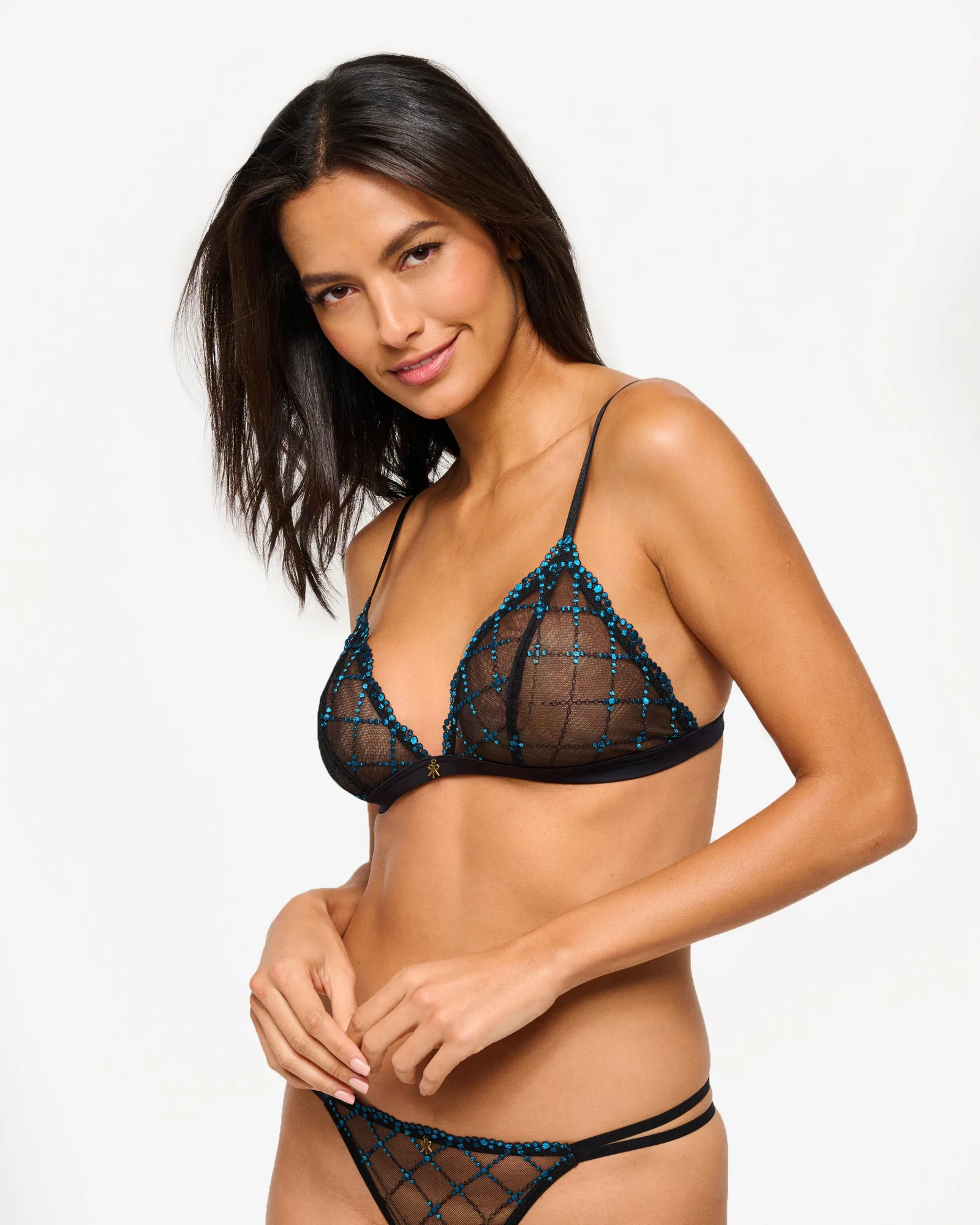
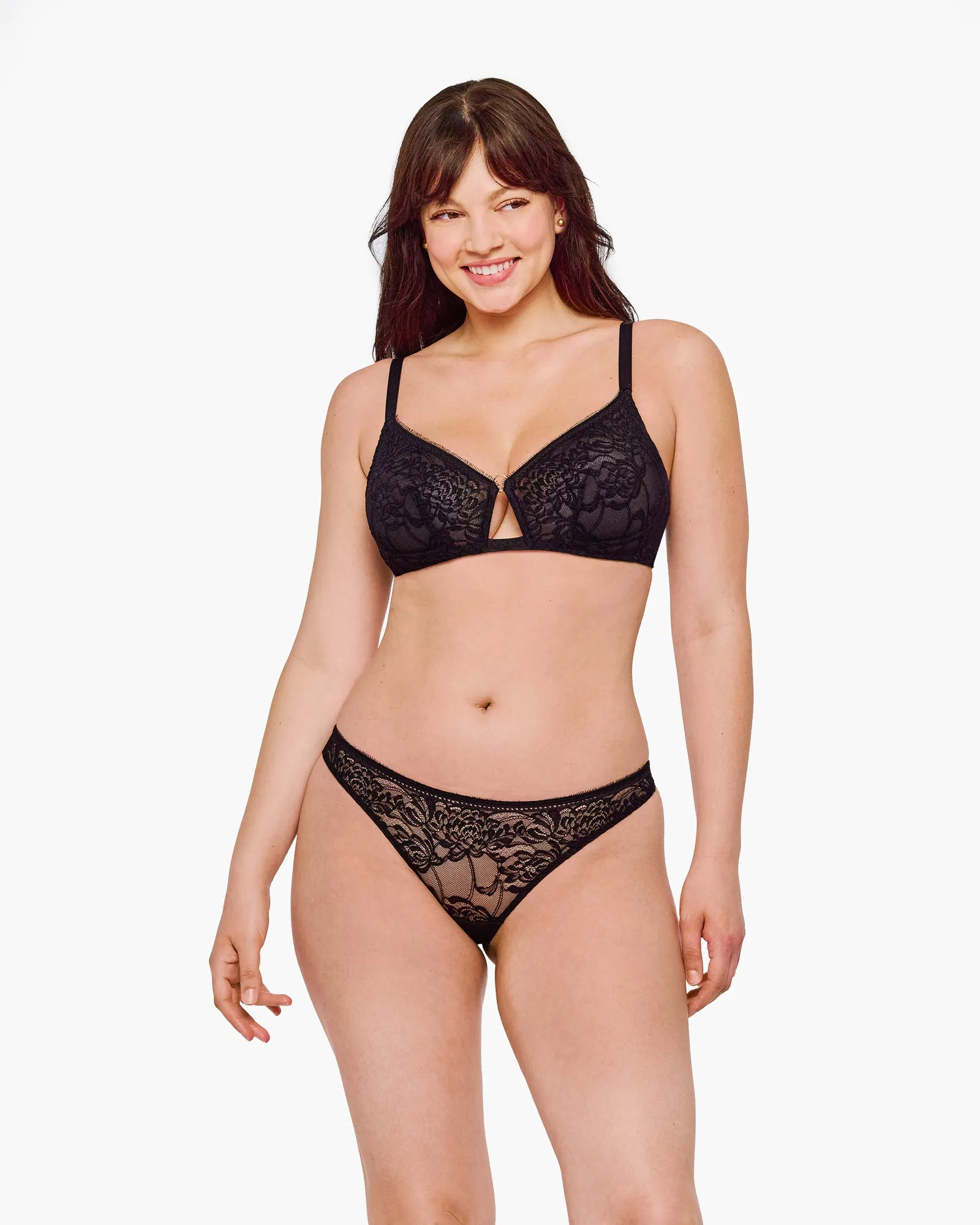
- bralette-black-en-3bb5b79a5f31dd50ded85f4a-929569">bralette-caramellino-en-bbe92db33e29bb47fe71244c-930233">Triangle Bralette: Wireless bralette designed to fit like a dream. Soft touches of lace trim. V-neckline silhouette for a hint of romance. Hook and eye back closure. While not shapewear, a well-fitted bralette ensures smooth lines under clothing, complementing your shapewear look.
- Cutie Lr Thong 3 Pack: Never Say Never Cutie lace low-rise Cutie thong 3-pack. Soft, stretch scalloped lace that lays flat. Wide stretch lace waistband. Minimal rear coverage. Cotton lined gusset. Choosing the right underwear to wear over or under shapewear prevents visible lines and keeps you comfortable all day.
Taking accurate measurements is the key to finding shapewear that smooths and supports without discomfort. Use this guide each time you shop, and always check the brand's size chart. With the right fit, you'll feel confident and comfortable all day.