Quick Answer
To mix and match Sew Kind of Wonderful paper patterns, start by choosing patterns that share a similar curved-piecing style, then plan a unified color palette and fabric scale. Use the Quick Curve Ruler consistently to maintain accuracy, and audition blocks together before committing to a layout.
Sew Kind of Wonderful paper patterns are known for their signature curved piecing, often using the Quick Curve Ruler (QCR). Mixing patterns from this collection lets you create a quilt that feels cohesive yet varied, but it takes a bit of planning to get the proportions and colors to sing.
Whether you're drawn to the modern simplicity of Mod Strawberries or the festive charm of Oh Little Town, learning to combine these patterns opens up endless possibilities. Here’s a practical guide to mixing and matching paper patterns from the Sew Kind of Wonderful line.
Oh Little Town
Why Mix Sew Kind of Wonderful Patterns?
Each Sew Kind of Wonderful pattern offers a distinct motif, but they all share a foundation of curved piecing that creates movement and flow. Mixing patterns allows you to build a larger quilt with visual interest, or to use up scraps from multiple projects in a coordinated way.
The key is to look for patterns that use similar construction techniques—like the QCR—so your piecing skills transfer easily. You can also combine patterns of different scales, such as a large star block with a smaller strawberry block, to add depth.
- Check the pattern’s materials list to see if it calls for the QCR or QCR Mini; this tells you the curve size and helps you match techniques.
Choose Patterns with a Common Thread
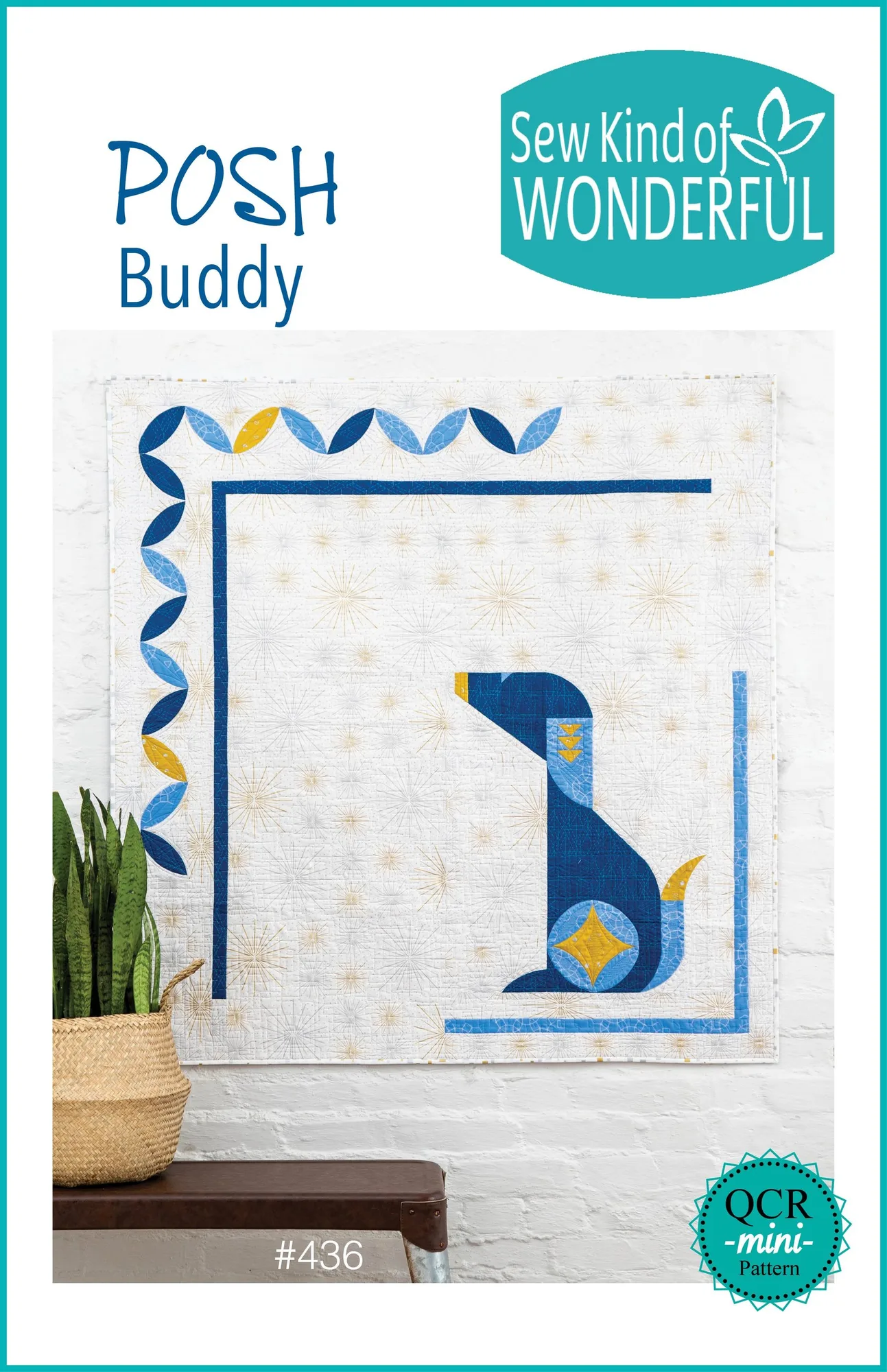
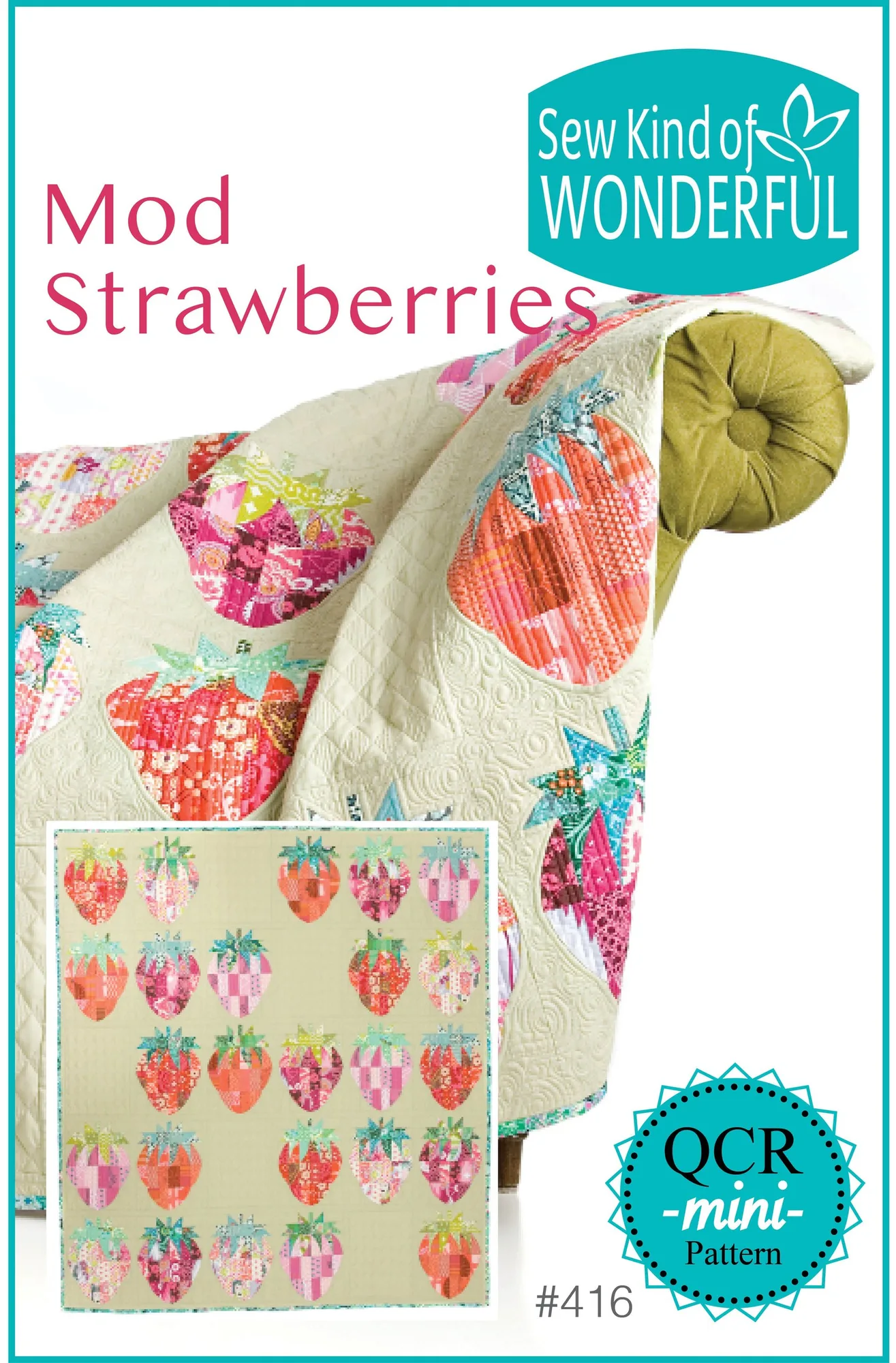
Start by selecting two or three patterns that share a visual element—maybe a similar block size, a repeated shape, or a common fabric requirement. For example, Posh Buddy and Mod Strawberries both use the QCR Mini Ruler, which means you can cut and piece curves consistently across both.
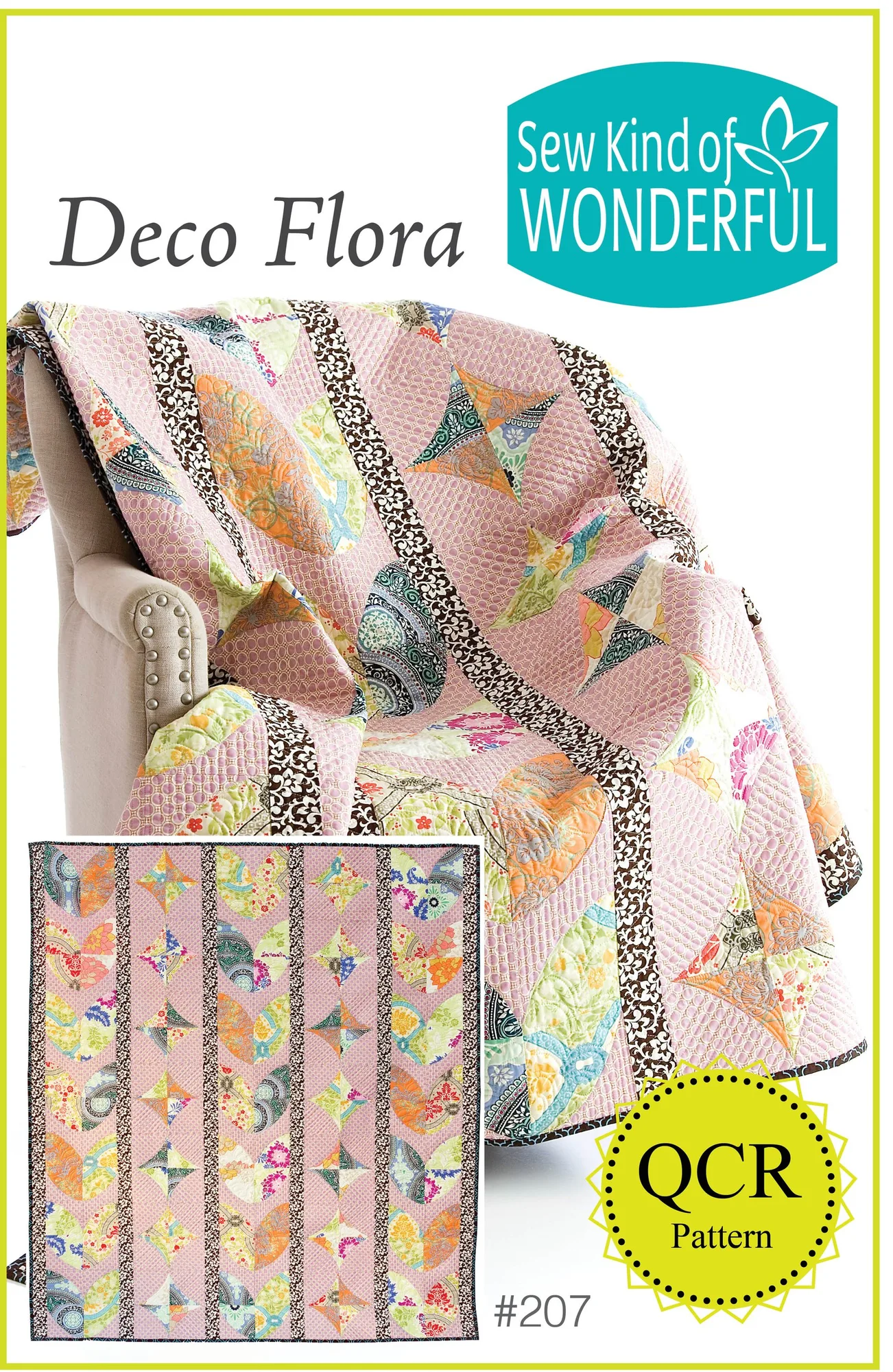
If you prefer a larger statement, pair a pattern like Deco Flora (which uses the Quick Curve Ruler) with a smaller accent pattern that echoes its floral theme. The goal is to create a conversation between the blocks, not a chaotic mix.
Deco Flora
- Look for patterns that list similar yardage for background fabric; this simplifies your fabric shopping.
Plan a Cohesive Color Palette
Once you’ve chosen your patterns, decide on a color story. You can pull colors from one pattern’s materials list and apply them to the others. For instance, if one pattern uses dark blue, light blue, and yellow, try using those same hues in the other blocks to tie everything together.
Consider using a single background fabric across all blocks. This instantly unifies disparate motifs and makes the quilt feel intentional. If you’re using scraps, aim for a consistent value—like all medium-toned prints—to maintain harmony.
- Use a color wheel to pick analogous or complementary colors that work well together.
Mind the Scale and Proportion
When mixing patterns, pay attention to block sizes. A 9" x 12" strawberry block from Mod Strawberries will look very different next to a 50" x 50" Posh Buddy quilt top. For a balanced composition, you might need to make multiple smaller blocks to fill the same area as one large block.
Don’t be afraid to scale a pattern up or down if the instructions allow, but remember that changing size can affect fabric requirements. Always do a test block first to ensure the proportions work visually.
- Lay out your blocks on a design wall or floor to see the overall balance before sewing them together.
Use the Right Ruler for the Job
Sew Kind of Wonderful patterns are designed for specific rulers—either the Quick Curve Ruler (QCR) or the QCR Mini. Mixing patterns that use the same ruler simplifies your cutting and piecing. For example, Posh Buddy and Mod Strawberries both call for the QCR Mini, so you can cut curves for both with one tool.
If you mix patterns that use different rulers, you’ll need to switch tools mid-project, which can disrupt your flow. Check the pattern’s materials list before you start to avoid surprises.
- Label your rulers clearly so you don’t accidentally mix up the QCR and QCR Mini.
Audition Your Blocks Together
Before you sew all your blocks into a quilt top, lay them out and experiment with arrangement. Move blocks around to distribute colors and shapes evenly. Take a photo from above to see the layout with fresh eyes.
This is also the time to decide if you need sashing or borders to separate busy blocks. A solid sashing can give the eye a resting place and make the mix feel more curated.
- Use a camera or your phone to capture the layout; sometimes a photo reveals issues you miss in person.
Step-by-Step: Mixing Your Patterns
- Step 1: Select your patterns: Pick 2-3 patterns that share a similar curve style or ruler requirement. For example, pair Posh Buddy and Mod Strawberries because both use the QCR Mini. Checkpoint: Confirm each pattern's materials list includes the same ruler to avoid mid-project changes.
- Step 2: Define your palette: Choose a color scheme based on one pattern's fabric suggestions, then apply it to the others. Limit yourself to 3-4 main colors for cohesion. Checkpoint: Place fabric swatches side by side to see if they harmonize in natural light.
- Step 3: Calculate fabric needs: Add up the yardage for each pattern, but adjust if you're mixing blocks. You may need extra background fabric to unify the top. Checkpoint: Buy a little extra background fabric to account for cutting errors or layout changes.
- Step 4: Cut and piece with accuracy: Use the specified ruler (QCR or QCR Mini) for each pattern. Follow the no-pins method for curves to reduce bulk and ensure smooth seams. Checkpoint: Test one block from each pattern to confirm your seam allowance is consistent.
- Step 5: Arrange and sew the top: Lay out all blocks on a design wall. Move them until the colors and shapes feel balanced. Add sashing if needed to separate busy prints. Checkpoint: Step back and photograph the layout; adjust any block that feels out of place.
Patterns to Consider for Mixing
- Posh Buddy (Paper): 50" x 50" quilt pattern to be made with QCR Mini Ruler, requiring 2/3 yard dark blue, 1/3 yard light blue, 1 fat quarter yellow accent, and 2-2/3 yards background. Its compact size and clear color palette make it an ideal starting point for a mix-and-match project; you can echo the blue and yellow scheme in other blocks.
- Mod Strawberries (Paper): 61" x 66" pattern using QCR Mini Ruler, with each strawberry measuring 9"x12", and requiring assorted prints for strawberries and greens. The smaller strawberry blocks can serve as accent pieces between larger blocks, and the scrappy nature encourages using leftover fabrics from other projects.
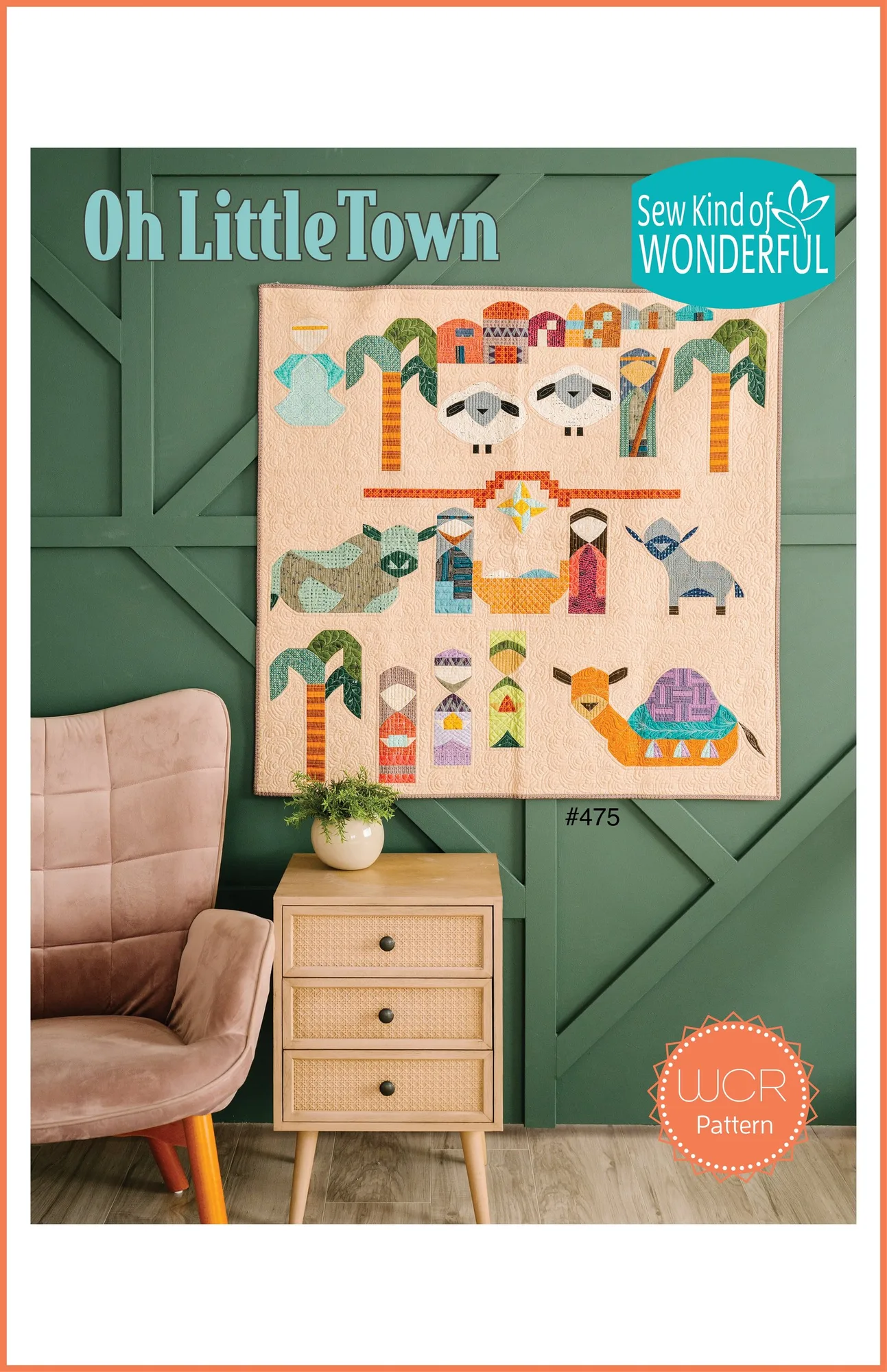
- Oh Little Town: A nativity pattern that is a smaller version of the popular Starry Night design, one of four nativity versions available. If you want a themed quilt, Oh Little Town can be combined with other nativity patterns for a cohesive holiday collection, but its detailed blocks may need simpler companions to avoid visual overload.
Mixing Sew Kind of Wonderful paper patterns is a creative way to build a unique quilt that showcases your skills. By choosing patterns with common techniques, planning a cohesive palette, and auditioning blocks, you'll create a harmonious design that feels both personal and polished. Start with two patterns you love, and let the curves guide you.