Quick Answer
Start a toy rotation by dividing your child's toys into three or four groups, storing most out of reach, and swapping them every week or two. Focus on open-ended toys like Melissa & Doug puzzles and games, which stay engaging longer when rotated. This system reduces clutter, boosts interest, and helps you declutter kids toys without getting rid of favorites.
If your toddler ignores a puzzle one day and then plays with it for an hour the next, you've seen the power of novelty. A toy rotation system simply puts that novelty on a schedule: you swap a portion of your child's toys every week or two, so old favorites feel new again. For parents drowning in blocks, puzzles, and games, rotation is also one of the most effective ways to organize toddler toys and reclaim your living room.
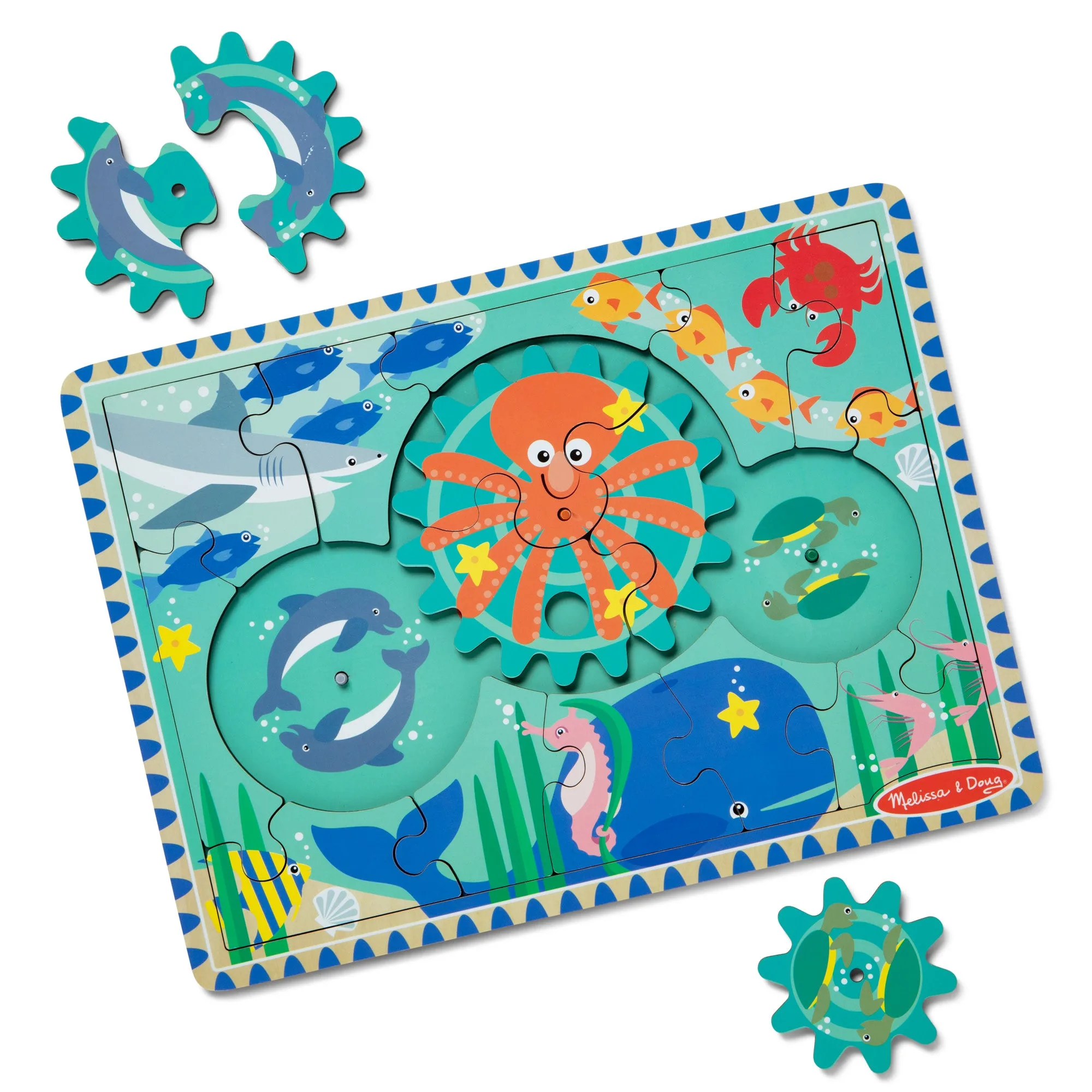
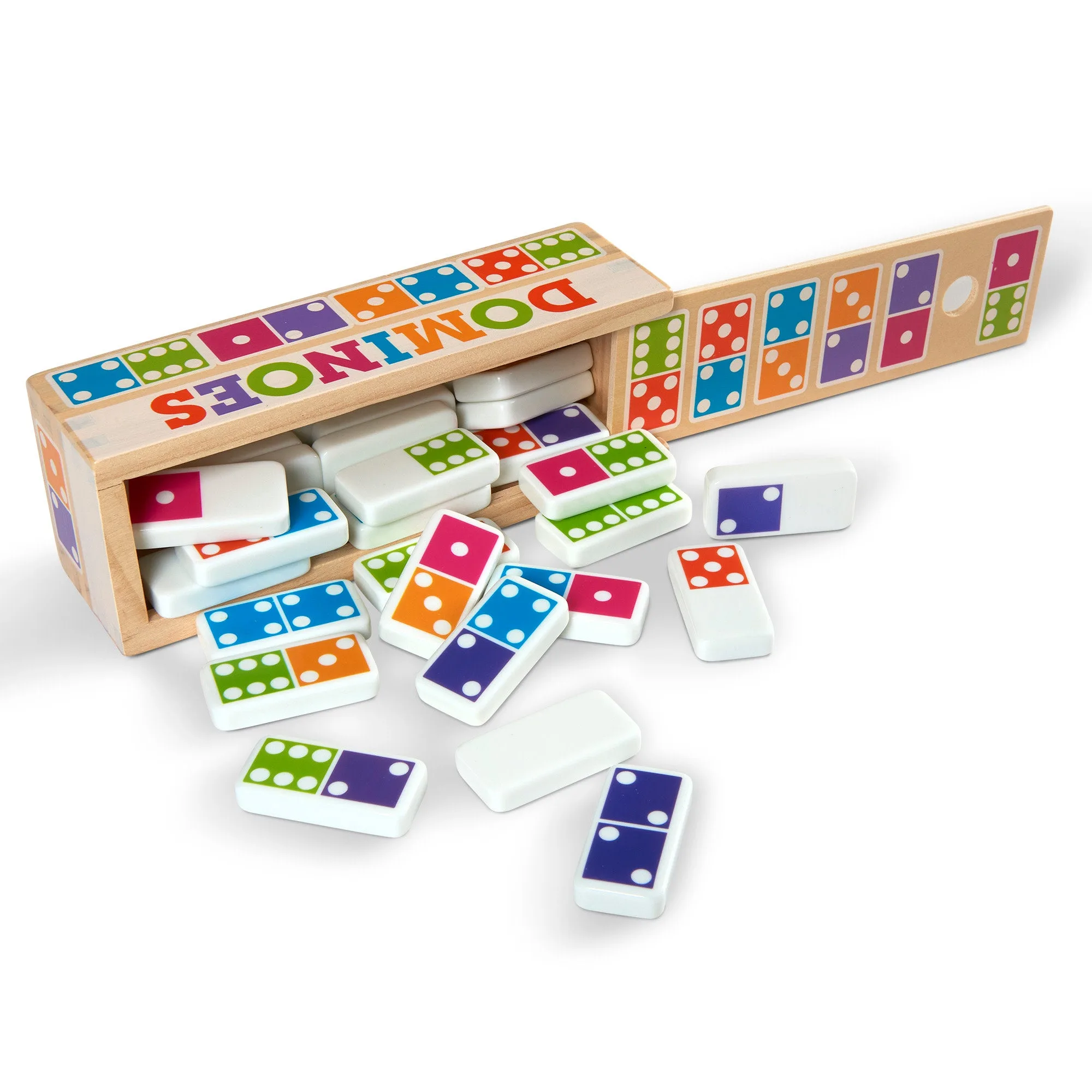
Melissa & Doug puzzles and games are especially well-suited to rotation because they're durable, open-ended, and designed to be revisited. A wooden shape sorter that was 'too easy' last month can become a confidence booster next month. This guide walks you through setting up a rotation that works for your space, your child's age, and your sanity.
Why Rotate Toys?
Toy rotation is based on a simple observation: toddlers crave novelty, but they also need repetition to master skills. When every toy is always available, none of them feel special. By limiting what's out, you increase focus, encourage deeper play, and reduce the overwhelm that leads to dumping every bin on the floor.
Rotation also makes decluttering easier. Instead of deciding what to throw away, you decide what to store. If a toy isn't played with after two rotations, it may be time to donate or pass it on. This keeps your collection curated and meaningful.
- Rotate toys to increase interest without buying new ones.
- Use rotation as a gentle decluttering tool—if it's ignored twice, it may not be a keeper.
How to Set Up Your Rotation Zones
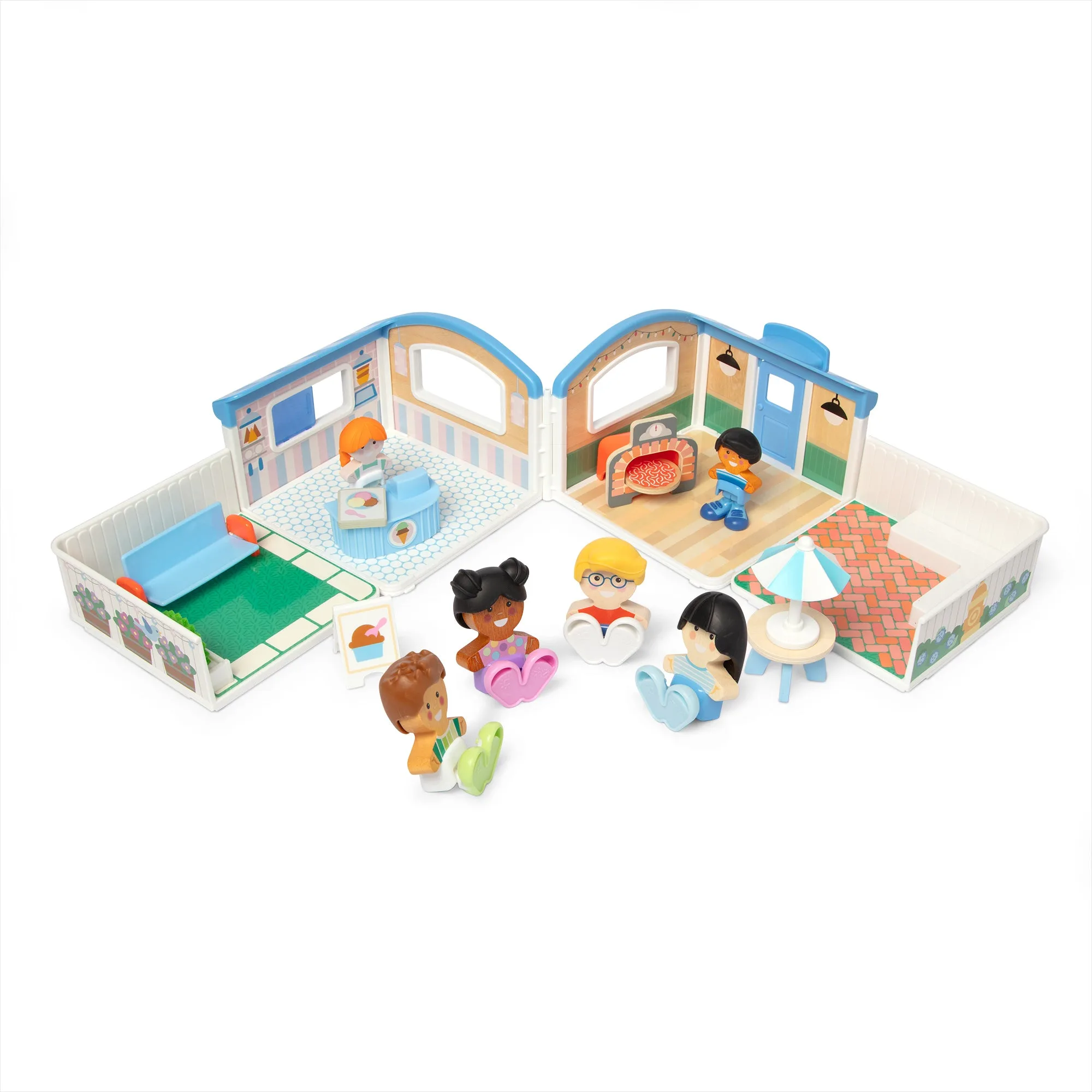
You don't need a dedicated playroom or fancy shelving. A few clear bins, a closet shelf, or even under-bed storage works. Divide your toys into three or four groups, making sure each group has a mix of types: puzzles, building toys, pretend play, and one or two 'wow' items like a musical instrument or a rolling toy.
Keep only one group out at a time. Store the others where your child can't see them—out of sight really is out of mind for toddlers. Label bins by group (e.g., 'Group A: Puzzles & Games') so swapping takes less than five minutes.
- Aim for 6–8 toys per group for younger toddlers, 8–12 for preschoolers.
- Use clear bins so you can see what's inside without opening everything.
Choosing Toys That Rotate Well
Not all toys are rotation-friendly. Open-ended toys—those that can be played with in multiple ways—are ideal. Melissa & Doug puzzles and games fit this brief because they can be used for matching, storytelling, or even as props in pretend play. A shape sorter can be a 'basket' for a toy grocery run; a wooden ocean slide can become a marble run for small balls.
Avoid rotating toys that require constant supervision or have many loose parts, unless you have a dedicated storage solution. Also, skip toys your child is emotionally attached to—those can stay out permanently. The goal is to increase interest, not to cause distress.
- Choose toys that can be used in multiple ways, like the Match and Roll Shape Sorter.
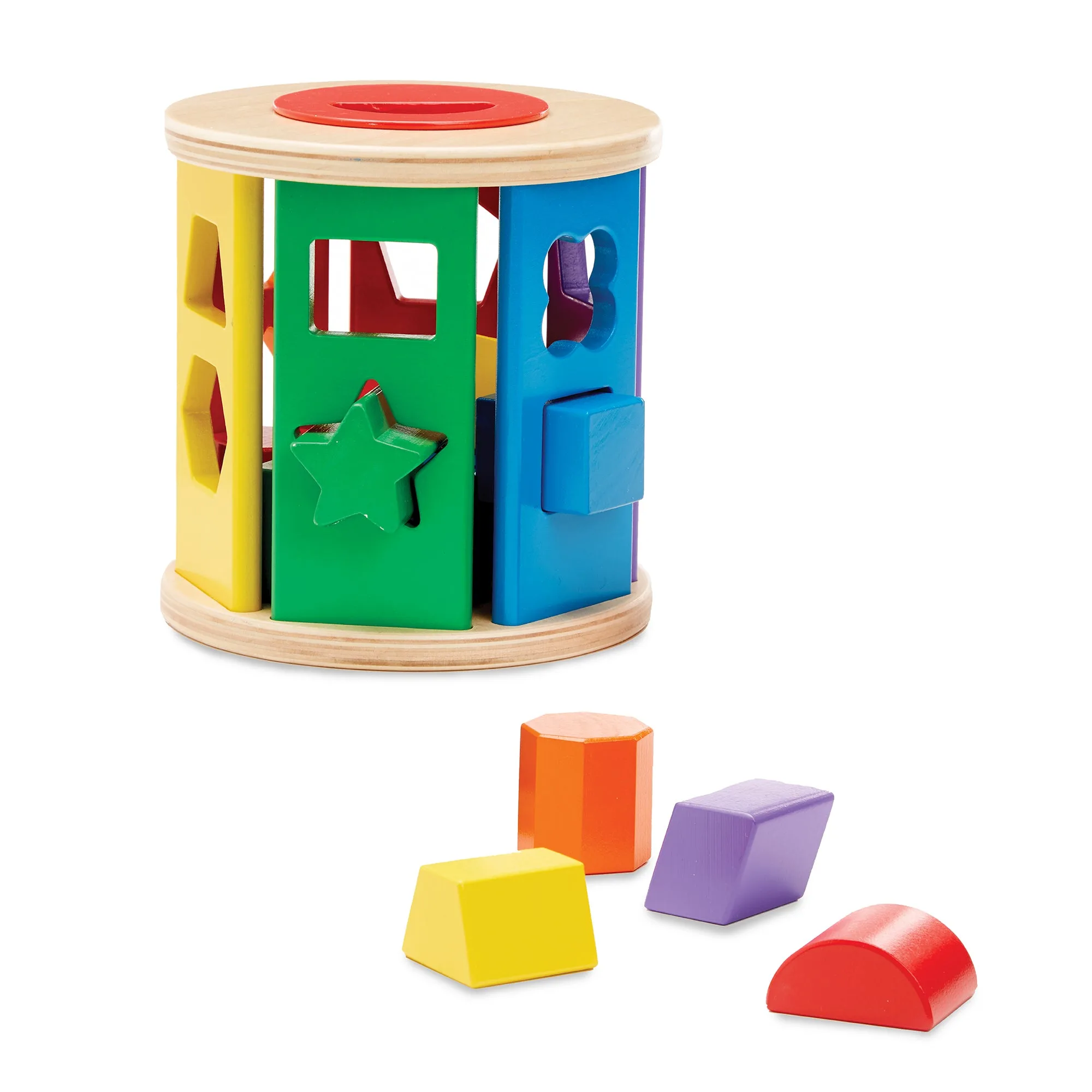
Match and Roll Shape Sorter
- Keep comfort toys and current favorites out of rotation.
Making the Swap Work
Set a regular swap day—Sunday afternoons work well for many families. Involve your child in the swap: let them help carry bins and rediscover toys. This builds excitement and gives them a sense of control.
During the swap, do a quick check for broken or missing pieces. Puzzles and games with missing pieces can be frustrating, so it's better to retire them than to leave them incomplete. This is also a good time to wipe down wooden toys with a damp cloth.
- Use a calendar reminder so you don't forget the swap.
- Involve your child to make the swap a positive ritual.
5 Steps to Start Your Toy Rotation
- Step 1: Sort and Declutter: Gather all your child's toys and sort them into categories: puzzles, building toys, pretend play, art, music, etc. Discard or donate anything broken, missing pieces, or that your child has clearly outgrown. This is your chance to declutter kids toys without guilt. Checkpoint: If a toy has missing pieces and can't be repaired, it's time to let it go.
- Step 2: Create 3–4 Groups: Divide the remaining toys into three or four groups, each with a balanced mix of categories. For example, Group A might have a shape sorter, a puzzle, a rolling toy, and a book. Group B might have a musical instrument, a stacking toy, and a pretend-play item. Label each group's bin clearly. Checkpoint: Each group should have enough toys for a week of varied play, but not so many that they overwhelm.
- Step 3: Store Groups Out of Sight: Place all but one group in a closet, under a bed, or on a high shelf. Use opaque bins or a closet with a door so your toddler can't see the stored toys. The 'out of sight, out of mind' principle is key to making rotation work. Checkpoint: If your child can see the stored toys, they'll ask for them. Keep them truly hidden.
- Step 4: Swap on a Schedule: Choose a day and time for the swap—Sunday afternoons are a common choice. Put away the current group and bring out the next one. Involve your child by letting them help carry bins or choose which toy to start with. Set a reminder on your phone so you don't forget. Checkpoint: Consistency matters more than frequency. A swap every 1–2 weeks is ideal.
- Step 5: Observe and Adjust: Watch which toys your child gravitates toward and which are ignored. After two rotations, if a toy is consistently ignored, consider donating it. If a toy is a huge hit, you might move it to a more frequent rotation or keep it out permanently. Adjust group composition based on your child's interests and developmental stage. Checkpoint: Rotation is a tool, not a rule. The goal is to increase engagement, so adapt as needed.
Melissa & Doug Toys That Rotate Well
- Match and Roll Shape Sorter: This brightly colored wooden shape sorter is an exciting update on a classic toy! Toddlers can drop the dozen-plus vibrant wooden shapes--including a triangle, octagon, star, rectangle, square, trapezoid, hexagon--through the color-matched holes, then roll the drum along, open the lid, and start all over again. An early-learning powerhouse that encourages color and shape recognition, manual dexterity, and more! Because it offers multiple play modes (sorting, rolling, dumping), it stays interesting across several rotation cycles. You can also use it to teach colors and shapes during a 'puzzle week'.
- Rollables Wooden Ocean Slide: Get playtime and developmental skills rolling with Rollables—adorably round characters that are firm enough to roll but soft enough to squeeze! Inspire imaginative oceanside adventures through kinetic play with this sturdy wooden ramp tower and three Rollables: the friendly crab, silly shark, and awesome octopus with chime. Compatible with other Rollables play sets. Drop Rollables into the removable funnel, and... This is a high-engagement 'wow' toy that can anchor a rotation group. Its chime and squeezable characters add sensory variety, and the compatibility with other Rollables sets means you can expand the play without buying a whole new toy.
- Deluxe M&D Band Set: Strike up the band with this musical instrument set designed to get everyone involved in the music scene! The Melissa & Doug Deluxe Band Set includes 11 different instruments including a kazoo, castanets, jingle sticks, a xylophone, harmonica, recorder, and more. Kids can get creative as they hum, click, shake, tap, and make a tuneful hullabaloo! The wooden instruments are made of high-quality materials, and... Musical instruments are perfect for rotation because they encourage active, noisy play that you might not want every day. Rotating the band set makes it feel like a special event, and the 11 pieces offer endless combinations for exploration.
A toy rotation system doesn't have to be complicated. With a little sorting and a regular swap schedule, you can keep Melissa & Doug puzzles and games feeling fresh, reduce clutter, and give your toddler the novelty they crave—without buying more toys. Start small, stay consistent, and watch your child's engagement soar.