Quick Answer
Start by emptying the chest, sorting toys into categories, and using storage bins to keep small items accessible. Then establish a routine that makes cleanup a daily habit.
Why a Toy Chest Needs a System
A classic wooden toy chest is a beautiful piece of furniture, but without a clear organization system, it can quickly become a jumble of mixed toys. Sorting toys into categories not only makes it easier for kids to find what they want, but also reduces the frustration of digging through a deep bin.
The soft-close lid on this chest is a safety feature, but it also means you can use the top as a seat or display area. Keep the area around the chest clear so the lid can open fully and close safely.
Trade-offs: Bins vs. Loose Storage
Using smaller bins or baskets inside the chest helps keep like items together, but they can take up space. If you have large toys, you might prefer to store them loose. A mix works well: use bins for small items like blocks or action figures, and reserve open space for larger toys.
Remember that the chest's interior depth is fixed, so plan for vertical stacking. Place frequently used toys on top and rarely used items at the bottom.
Step-by-Step Organization Process
- Empty and Clean: Take everything out of the chest. Wipe the inside with a dry or slightly damp cloth to remove dust. Check for any broken or unused toys and set them aside for donation or disposal. Start with a clean slate to make sorting easier.
- Sort into Categories: Group toys by type: stuffed animals, building blocks, vehicles, puzzles, and art supplies. This helps you see what you have and decide what should stay in the chest. If a category is too large, consider moving some toys to another storage spot.
- Choose Storage Aids: Use small bins, baskets, or fabric pouches to hold small items. Place them in the chest so that the most-used toys are on top. For larger toys, leave open space. Avoid overfilling the chest; leave some room for easy access.
- Assign a Home for Each Toy: Decide where each category will live in the chest. Put frequently used items near the front or top. Keep a designated spot for each type so kids know where to return them. Consistency helps children learn the system.
- Create a Cleanup Routine: Set a daily or weekly cleanup time. Make it a game by timing how fast toys can be put away. Always close the lid fully after use to keep dust out and maintain safety. A routine turns organization into a habit.
- Maintain the Chest: Periodically check the hinges and soft-close mechanism. Wipe the wood with a dry cloth; if needed, use a wood polish recommended for children's furniture. Avoid moisture that can warp the wood. Regular care keeps the chest looking great and functioning safely.
Product Spotlight
-
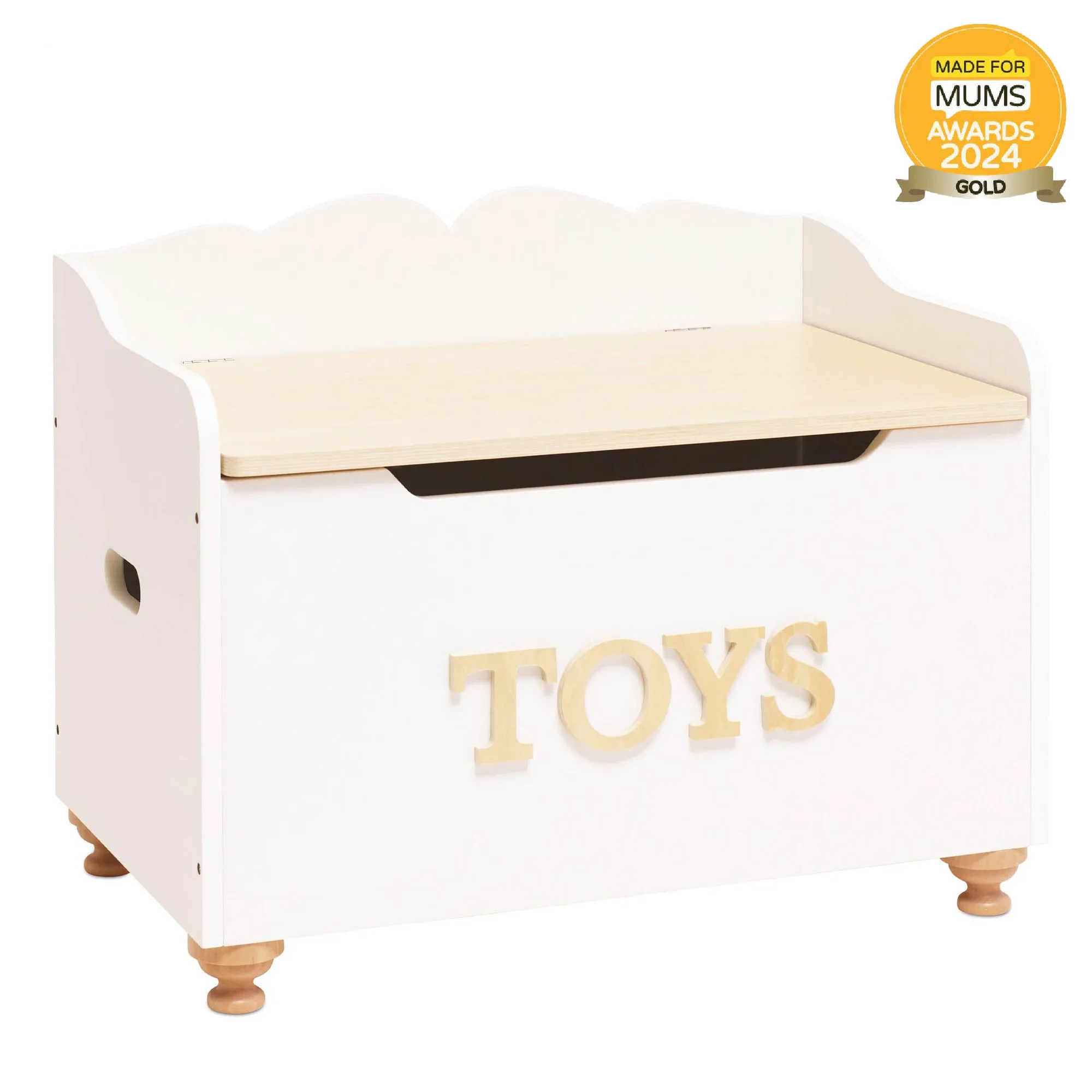
Classic Wooden Toy Chest: This classic wooden toy chest features a soft-close lid, elegant wooden feet, and classic embossed detailing. The soft-close lid prevents slammed fingers and makes it safe for kids to open and close on their own, while the sturdy construction means it can double as a handy seat.
Classic Wooden Toy Chest