Quick answer
To organize a mini bag, start by choosing a bag with at least one zippered front pocket and an adjustable strap, like the DIESEL SHOULDER BAG DSL TROMPE. Then group items into three categories: daily carry, occasional use, and emergency. Keep daily items in the main compartment, occasional items in a front pocket, and emergency items in a separate pouch. This prevents overstuffing and keeps essentials accessible.
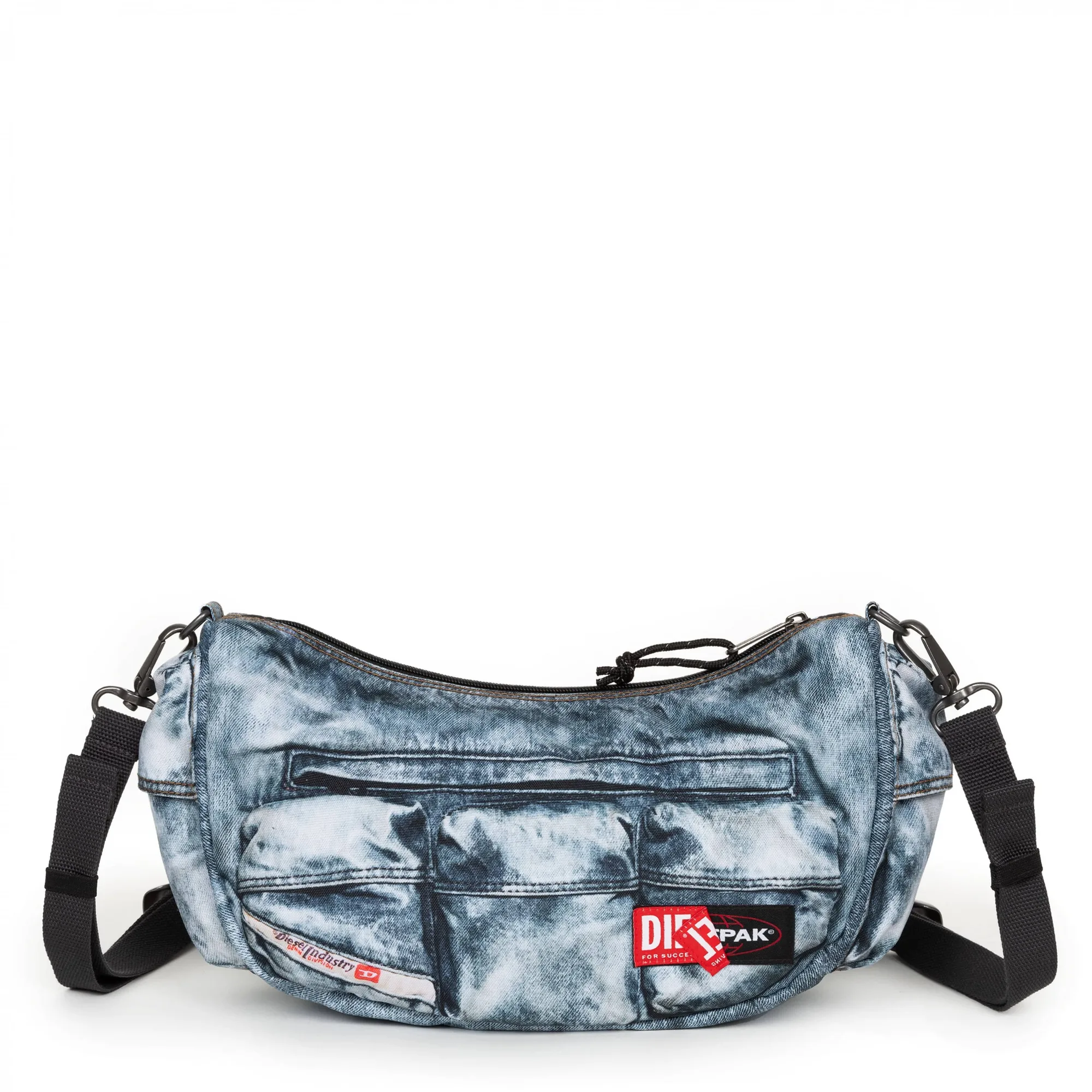
DIESEL SHOULDER BAG DSL TROMPE
A mini bag is small by design, so every item you add competes for space. The goal isn't to carry less—it's to carry deliberately. Whether you're using a shoulder bag or a cross body, a simple three-zone system keeps your essentials organized and easy to find.
This guide walks through a repeatable process for packing a mini bag for everyday use. You'll learn what to put in a mini bag, how to avoid common packing mistakes, and which features make a small bag easier to live with. We'll use the DIESEL SHOULDER BAG DSL TROMPE as a concrete example, but the steps apply to any small bag.
Start with the right bag features
Before you pack, check that your mini bag has the features that make organization possible. A zippered main compartment keeps items secure, while a zippered front pocket gives you a dedicated spot for small items you need quickly. An adjustable and detachable shoulder strap lets you change how you carry the bag—over the shoulder or crossbody—without repacking.
The DIESEL SHOULDER BAG DSL TROMPE checks these boxes: it has a zippered main compartment, a zippered front pocket, and an adjustable and detachable shoulder strap. It's crafted from 100% polyester with a distressed denim-inspired design. If your current bag lacks a front pocket, consider whether you can add a small pouch inside instead.
- Look for at least one external zippered pocket for quick-access items.
- An adjustable strap helps you find a comfortable carry position when the bag is full.
Sort your essentials into three zones
Empty your bag and sort everything into three groups: daily carry (phone, wallet, keys), occasional use (lip balm, hand sanitizer, charging cable), and emergency (pain reliever, bandage, stain remover wipe). This sorting step prevents you from treating every item as equally important, which is how mini bags get overstuffed.
Assign each group to a zone in your bag. The main compartment holds daily carry items so they're easy to grab. The front pocket holds occasional items—these are things you want without digging. Emergency items go into a small pouch that stays at the bottom of the main compartment. If your bag has only one compartment, use a pouch to create a second zone.
- Common mistake: putting keys in the same pocket as your phone, which risks scratching the screen.
- Checkpoint: after sorting, you should be able to name every item in your bag without looking.
Pack the main compartment first
Place larger, flat items against the back wall of the main compartment. A slim wallet or cardholder goes first, then your phone on top or beside it. If you carry a small notebook or e-reader, slide it in vertically. This keeps the bag's profile slim and prevents bulging.
Next, add your emergency pouch at the bottom. Because it's rarely needed, it can sit underneath daily items. If you carry a compact umbrella or collapsible water bottle, place it at one end so it doesn't press against your phone. The goal is to fill the space evenly, not to stack items in a tower.
- Avoid putting loose coins or keys in the main compartment—they migrate and scratch other items.
- If the bag feels lumpy, remove one item and see if you miss it during the day.
Use the front pocket for quick access
The front pocket is for items you reach for multiple times a day: transit card, lip balm, hand sanitizer, or a small pack of tissues. Keep this pocket limited to three to five items. More than that and you'll be digging, which defeats the purpose of a dedicated pocket.
The DIESEL SHOULDER BAG DSL TROMPE has a zippered front pocket that fits these small items without adding bulk. If your bag's front pocket is unzippered, be cautious about putting anything valuable there—it can fall out when you bend over.
- Common mistake: using the front pocket for keys, which can puncture hand sanitizer bottles.
- Checkpoint: you should be able to open the front pocket and identify every item by touch.
Adjust the strap and test the carry
Once packed, put the bag on and adjust the strap so the bag sits at your hip or slightly above. An adjustable strap lets you fine-tune the fit; a detachable strap lets you remove it entirely if you want to carry the bag as a clutch. Test walking, sitting, and reaching overhead to make sure nothing digs in or falls out.
If the bag feels heavy after 10 minutes, remove the least-used item. A mini bag should feel light enough that you forget you're wearing it. If it doesn't, your three-zone system has too much in the occasional or emergency zones.
- A crossbody carry distributes weight better than a single-shoulder carry for most people.
- If the strap slips, try wearing it across your body instead of on one shoulder.
Reset your mini bag weekly
At the end of each week, empty the bag completely. Wipe out crumbs, remove receipts, and put back only what you actually used. This five-minute reset prevents accumulation—the main reason mini bags become disorganized. It also gives you a chance to restock emergency items you used.
During the reset, check that your daily carry items still fit comfortably. If you've added a new item, remove something else to keep the bag's profile slim. A mini bag works best when it has a little breathing room, not when it's packed to the zipper.
- Keep a small pouch for emergency items so you can transfer it between bags.
- If you haven't used an item in two weeks, it doesn't belong in your everyday mini bag.
Mini bag organization steps at a glance
- Choose a bag with a front pocket and adjustable strap: A zippered front pocket keeps small items accessible; an adjustable strap lets you change carry position as the bag's weight changes. Checkpoint: if your bag has no front pocket, add a small internal pouch to create a quick-access zone.
- Sort items into three zones: daily, occasional, emergency: Daily items go in the main compartment, occasional items in the front pocket, and emergency items in a pouch at the bottom. Common mistake: treating all items as daily carry, which leads to overstuffing and lost items.
- Pack flat items against the back wall: Place wallet, phone, and notebook vertically to keep the bag's profile slim and prevent bulging. Checkpoint: the bag should close easily without force.
- Limit the front pocket to 3–5 items: Keep only items you use multiple times a day, like a transit card or lip balm. Common mistake: putting keys in the front pocket, which can puncture other items.
- Adjust the strap and test the carry: Wear the bag at your hip or slightly above; try walking, sitting, and reaching overhead. If the bag feels heavy after 10 minutes, remove the least-used item.
- Reset the bag weekly: Empty it completely, wipe it out, and return only what you used that week. If you haven't used an item in two weeks, it doesn't belong in your everyday mini bag.
Product facts that help with mini bag organization
- DIESEL SHOULDER BAG DSL TROMPE: Zippered main compartment with a zippered front pocket; adjustable and detachable shoulder strap; crafted from 100% polyester; distressed denim-inspired design. The two zippered compartments let you separate daily carry from quick-access items, while the adjustable and detachable strap gives you carry options without repacking.
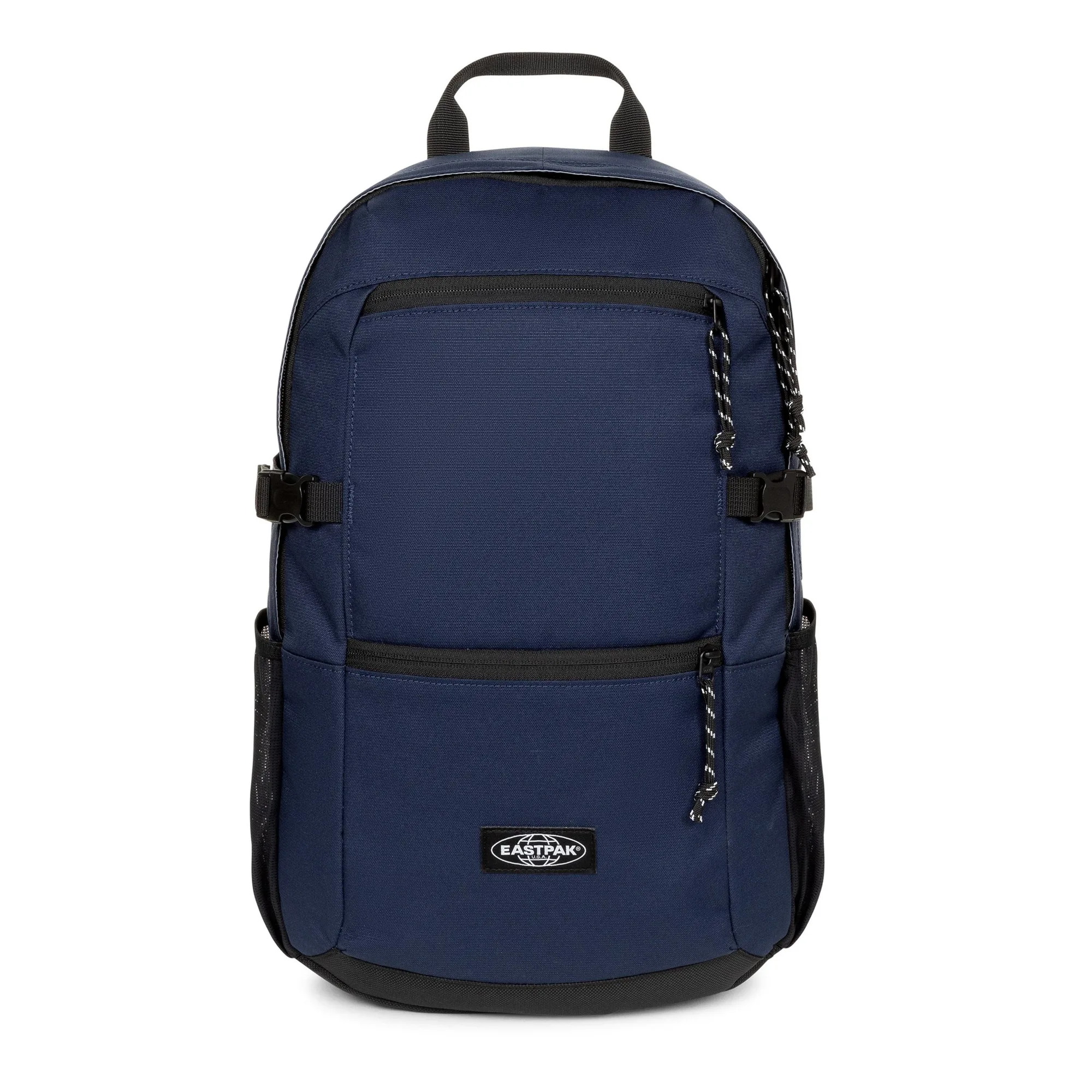
- FLOID PRO CS NAVY PRO: Lifestyle backpack with a padded laptop sleeve for devices up to 16", fleece-lined pocket, and two mesh bottle pockets. If you need to carry a laptop and a water bottle, this backpack offers dedicated spaces that a mini bag cannot—useful when your mini bag is your secondary carry.
Organizing a mini bag is less about restriction and more about intention. By sorting items into three zones and resetting weekly, you keep your essentials accessible without overstuffing. Start with a bag that has a front pocket and adjustable strap, like the DIESEL SHOULDER BAG DSL TROMPE, and adjust from there.