Quick answer
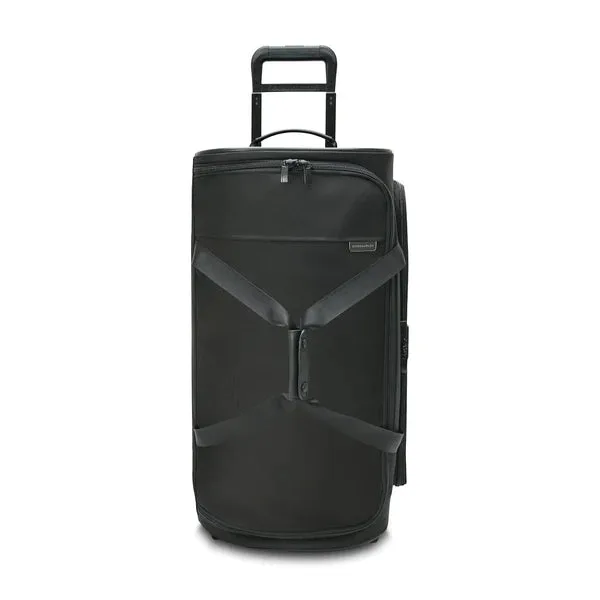
Pack for a two-day trip by keeping your clothing to two outfits plus one spare, using packing cubes to compress soft items, and placing heavy or bulky gear along the duffel's base near your back. Add a separate pouch for toiletries and chargers so you can grab them without unpacking the whole bag. A structured duffel with a wide opening, like the Medium Two-Wheel Duffle or Large Carryall Tote, makes this order easier to repeat.
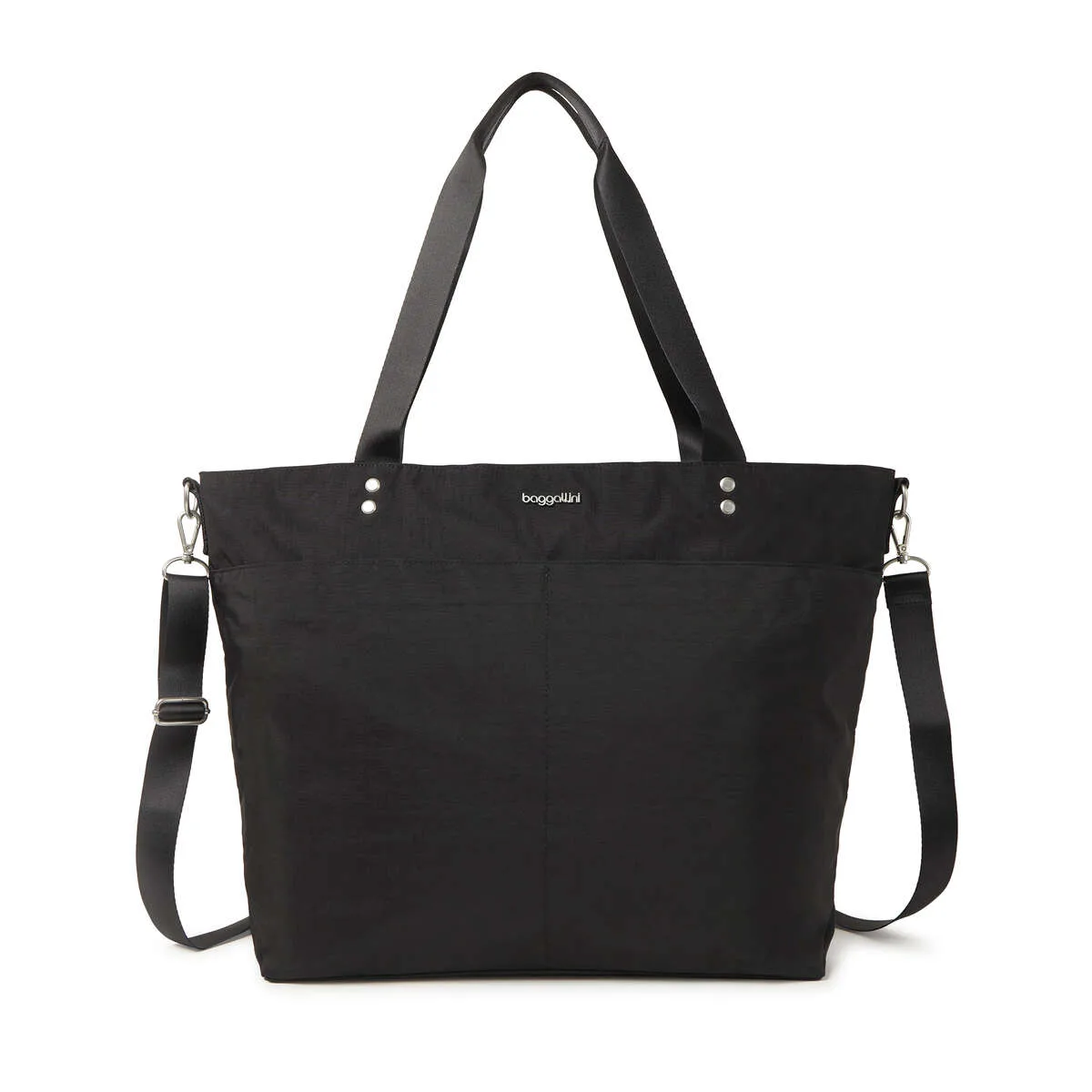
Large Carryall Tote
A two-day trip should not require a checked bag or a wrestling match with zippers. The trick is not packing less for its own sake, but packing in a deliberate order so the items you need first sit on top and the items that keep their shape form a stable base.
This guide walks through a repeatable packing process for a weekender duffel, from choosing the bag to closing it without overstuffing. Use it as a checklist for weekend trip packing, whether you are driving to a wedding or flying out for one night.
Start with the right duffel and a realistic packing list
Before you fold a single shirt, decide whether your duffel has a wide U-shaped opening or a narrow top zip. A wide opening lets you see everything at once and pack vertically; a narrow opening forces you to stack and dig. If your bag is narrow, plan to use packing cubes so you can lift entire categories out instead of rummaging.
For two days, a practical weekender packing list is short: two tops, one bottom, one set of sleepwear, one pair of shoes, a toiletry kit, chargers, and a light layer. That is enough for most trips. The common mistake is packing for the weather you hope for rather than the weather forecast, which adds a third outfit you will not wear.
- Lay every item on the bed first and remove one thing before it goes in the bag.
- Keep shoes in a separate bag or use the duffel's end pocket so soles do not touch clean clothes.
Pack in layers: base, middle, top
Put shoes, a toiletry kit, and any bulky layer along the bottom of the duffel, pressed against the side that will rest against your back or the wheels. This keeps the bag from tipping and protects softer items. Next, add packing cubes or rolled clothing in the middle, filling gaps rather than stacking flat. Finally, place items you will need during travel, such as a charger, book, or light jacket, at the top or in an exterior pocket.
If you are using a duffel with a flat packing section, such as the Medium Two-Wheel Duffle, use that section for folded shirts and the duffle section for shoes and bulk. This two-section design reduces shifting, which is one of the main causes of wrinkled clothes on a short trip.
- Roll knit fabrics and fold structured items like collared shirts.
- Do not pack the bag more than about 80 percent full so you can close it without straining the zipper.
Use cubes, pouches, and pockets to separate categories
Duffel bag packing tips often focus on folding, but separation matters more. Use one cube for clothing, one small pouch for cables and chargers, and one leak-resistant bag for toiletries. This way you can pull out the toiletry kit at security or in a hotel bathroom without unpacking your clothes. A quick-access phone pocket or multifunctional pocket on the outside of the bag keeps your phone, wallet, and boarding pass within reach.
If your duffel has a sleeve for a luggage handle, slide it over a rolling bag handle to keep both hands free. That is useful when you are moving through a train station or airport with a coffee in one hand.
- Keep a small packing cube empty for dirty laundry on the return trip.
- Put anything liquid inside a sealed pouch, then inside a cube, so a leak stays contained.
Close, carry, and adjust before you leave
Zip the bag while it sits flat, not while you hold it upright. If the zipper fights you, remove one item rather than forcing it. Once closed, lift the bag by its handle and walk a few steps. If it swings or digs into your side, redistribute weight so heavier items sit closer to your body. If you are using a backpack instead of a duffel, adjust the shoulder straps and sternum strap before you load it.
For a two-day trip, a bag that fits under an airline seat or in an overhead compartment saves time at the gate. Check your airline's carry-on dimensions before you rely on that, and measure your packed bag at home rather than at the airport.
- Weigh your packed bag if you are flying on a strict carry-on fare.
- Leave a little slack in the main compartment for souvenirs or a wet umbrella.
Your two-day duffel packing steps
- Step 1: Check the forecast and lay out two outfits: Choose two tops, one bottom, one sleepwear set, and one light layer based on the actual weather. Lay everything on the bed and remove one item you are unsure about. Checkpoint: if you have more than three tops, you are overpacking for two days.
- Step 2: Pack shoes and bulky items along the base: Place shoes, a toiletry kit, and any bulky layer along the bottom of the duffel, against the side that rests on your back or near the wheels. This creates a stable base. Common mistake: putting shoes on top, which crushes clean clothes and makes the bag top-heavy.
- Step 3: Add clothing in the middle using cubes or rolls: Fill the center with rolled knits and folded structured items. Use packing cubes if your duffel has a narrow opening so you can lift out whole categories. Checkpoint: the bag should be about 80 percent full, leaving room to close it without force.
- Step 4: Keep travel-day items on top or in exterior pockets: Put your charger, phone, wallet, and light jacket in a quick-access pocket or on top of the packed clothing so you can reach them without unpacking. Common mistake: burying your charger, then emptying the whole bag at the airport.
- Step 5: Close flat, lift, and adjust the carry: Zip the bag while it lies flat. Lift it by the handle and walk a few steps; if it swings, move heavier items closer to your body. If using a backpack, adjust the straps. Checkpoint: the bag should feel balanced and close fully before you leave home.
Bags that make two-day packing easier
- Medium Two-Wheel Duffle: Two section design featuring a duffle section and flat packing section; the duffle section features garment-securing panels to keep clothes in place, minimizing wrinkling and shifting while in transit. The flat section gives folded shirts a stable home while the duffle section holds shoes and bulk, which reduces the repacking and wrinkling that happens in a single-compartment bag.
- Large Carryall Tote: Crafted to be Clean 52-inch removable, adjustable crossbody strap; 11.5-inch shoulder drop; multifunctional pockets; quick access phone pocket; sleeve for luggage handle; 22 w x 14.74 h x 7 d; 1 lb, 8 oz. The wide opening and multiple pockets let you separate categories without cubes, and the luggage-handle sleeve keeps the tote stable on top of a rolling bag during a short trip.
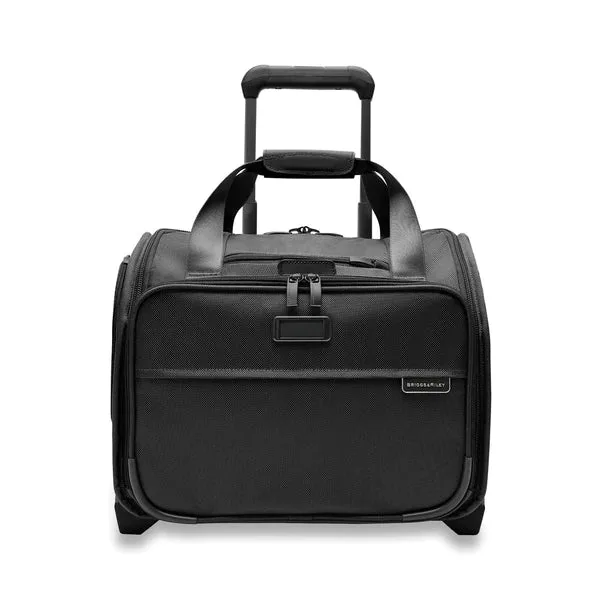
- 2-Wheel Cabin Bag: Roomy, gusseted main compartment makes packing easy, and fits under most airline seats and overhead compartments; multiple pockets strategically placed to optimize use of space. If your two-day trip is a flight, this bag is sized for under-seat or overhead use, so you can skip the check-in line and still keep small accessories organized.
Packing a weekender duffel for a two-day trip comes down to a short list, a stable base, and keeping your travel-day items reachable. Follow the steps once and you will have a repeatable routine that works for any overnight bag packing, whether you are driving or flying.