Quick Answer
To prevent running blisters, focus on three key areas: choose moisture-wicking socks that fit snugly without bunching, ensure your running shoes have a proper fit with a thumb's width of space in the toe box, and manage moisture by using anti-blister balms or powders. Start with high-quality synthetic or wool socks, not cotton.
Running blisters can turn an enjoyable workout into a painful ordeal. They occur when friction and moisture combine, causing the skin layers to separate. The good news is that with the right sock and shoe choices, most blisters are preventable.
This guide provides practical, step-by-step advice to keep your feet blister-free, whether you're a beginner or a seasoned runner.
Choose the Right Sock Material
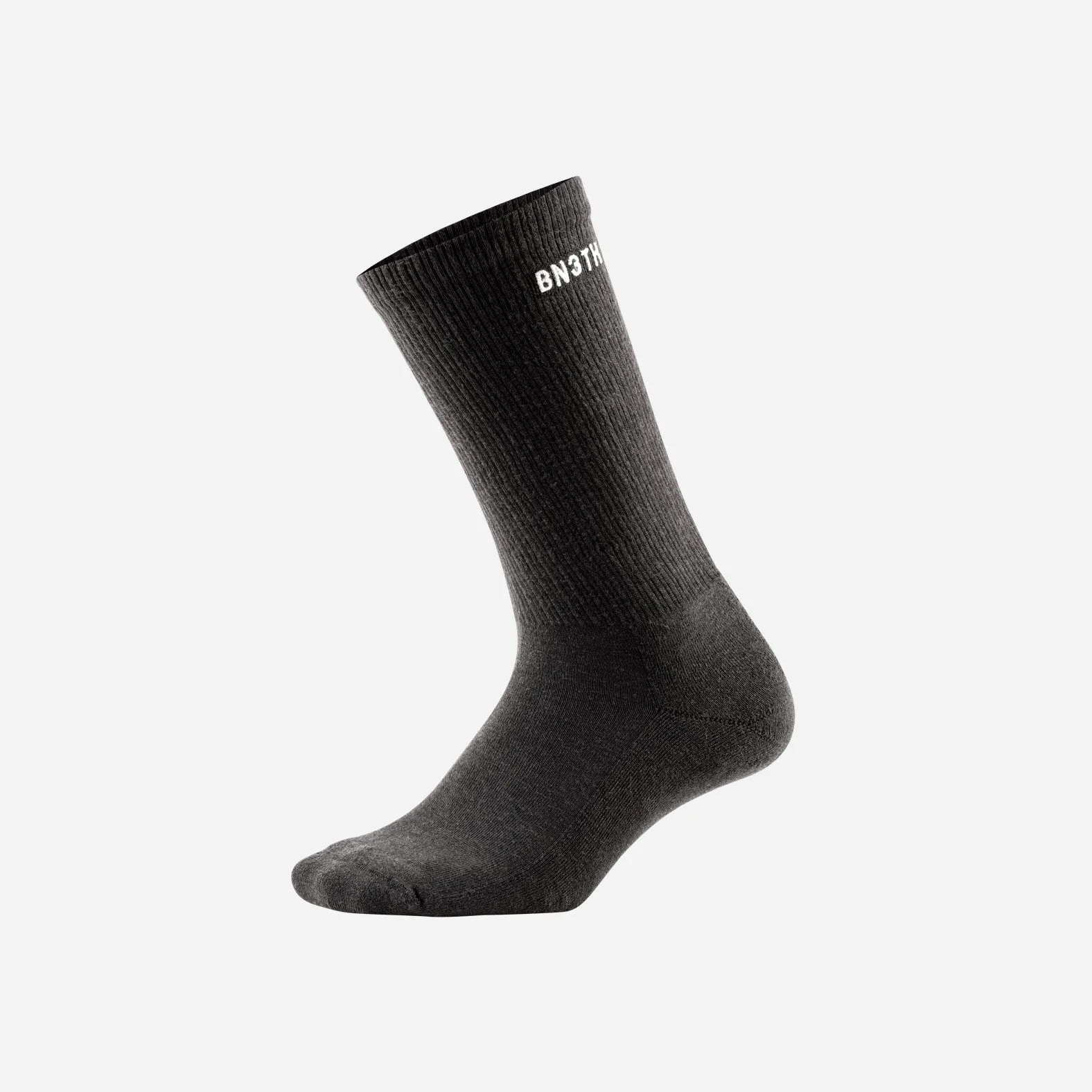
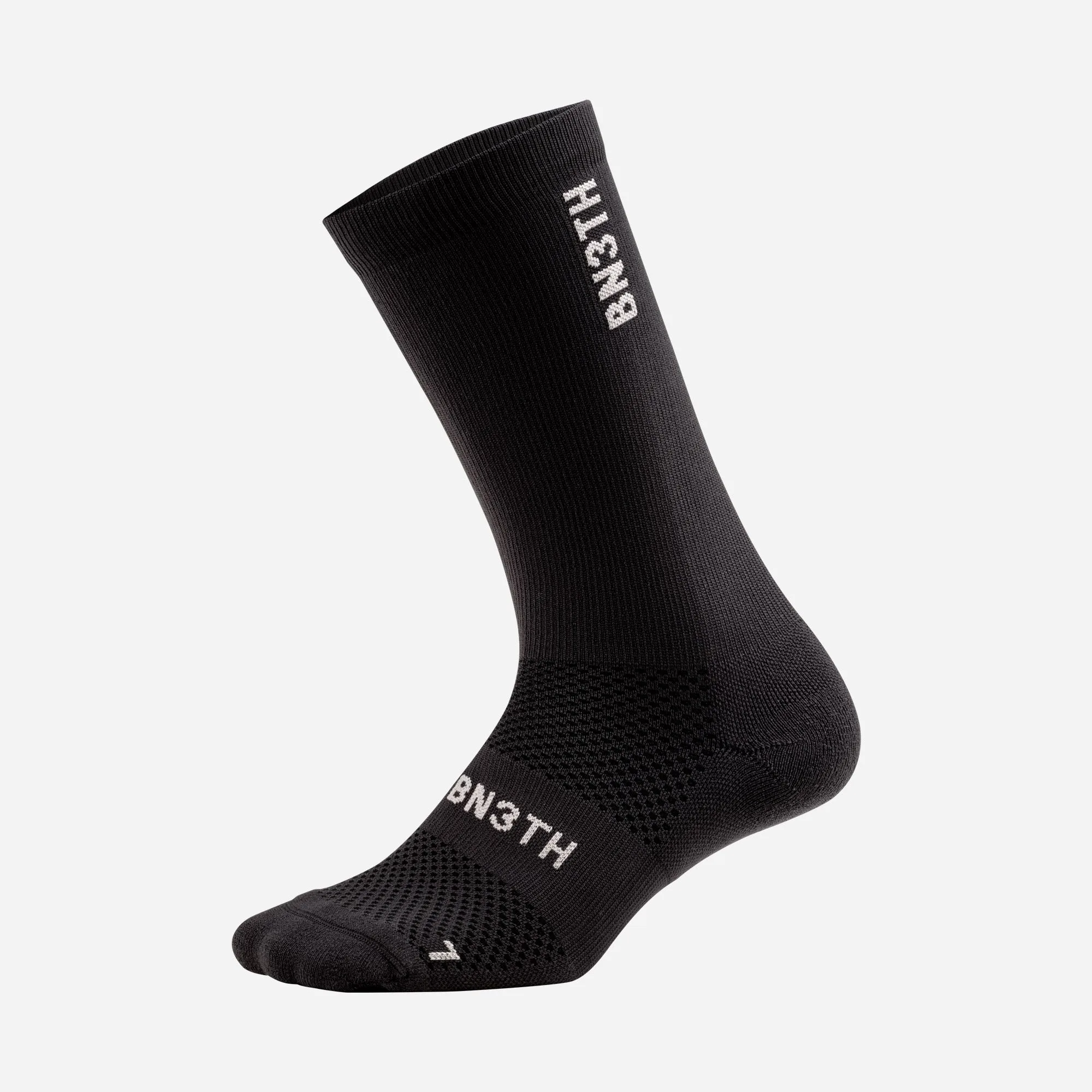
The material of your running socks is crucial in preventing blisters. Cotton socks absorb sweat and stay wet, increasing friction and blister risk. Instead, opt for synthetic fibers like nylon, polyester, or merino wool, which wick moisture away from your skin. For example, the BN3TH Pro Crew Sock is made from 97% Nylon and 3% Spandex, offering a moisture-wicking and snug fit.
Look for socks with additional features like cushioning and arch support, which reduce pressure points. Seamless toes are also beneficial as they eliminate the friction caused by bulky seams. Many running-specific socks incorporate these features to enhance comfort.
- Check the sock's fabric composition and avoid cotton for running.
- Consider socks with targeted cushioning in high-impact areas.
Ensure Proper Shoe Fit
Shoes that are too tight or too loose can cause friction. When trying on running shoes, ensure there is about a thumb's width of space between your longest toe and the end of the shoe. Your heel should be snug but not slipping. It's best to try shoes on later in the day when your feet are slightly swollen, as they will be during a run.
Also, consider the width of the shoe. A narrow toe box can cause blisters on the sides of your toes. If you have wider feet, look for shoes available in wide sizes. Remember that running shoes have a lifespan of 300-500 miles; worn-out shoes lose their cushioning and support, increasing blister risk.
- Replace running shoes every 300-500 miles.
- Wear the same socks you plan to run in when trying on shoes.
Manage Moisture and Friction
Even with moisture-wicking socks, your feet may sweat. To reduce moisture, apply an anti-blister balm or petroleum jelly to high-friction areas like heels and toes. Some runners use foot powder to keep feet dry. If your feet sweat excessively, consider changing socks mid-run for longer distances.
Another tip is to break in new shoes gradually. Wear them for short walks before running to allow your feet to adapt. If you feel a hot spot during a run, stop and address it immediately by applying a blister bandage or tape to prevent it from worsening.
- Use anti-blister products proactively, not after a blister forms.
- Stop at the first sign of a hot spot to apply protection.
Step-by-Step Blister Prevention Routine
- Start with dry feet: Before putting on socks, ensure your feet are completely dry. Apply foot powder or anti-blister balm to areas prone to friction. Checkpoint: If your feet are sweaty, dry them thoroughly and reapply if needed.
- Put on moisture-wicking socks: Choose socks made from synthetic or wool materials. Ensure they fit snugly without wrinkles or bunching. Checkpoint: Avoid cotton socks for running.
- Lace your shoes properly: Ensure your shoes are snug but not tight. Use the heel-lock lacing technique to prevent heel slippage. Checkpoint: You should have a thumb's width of space in the toe box.
- Monitor for hot spots: During your run, pay attention to any areas of discomfort. If you feel a hot spot, stop and apply a blister bandage or tape immediately. Checkpoint: Never ignore a hot spot; treat it early.
Socks That Help
- Pro Crew Sock: Black: The BN3TH Pro Crew Sock combines premium performance and next-level comfort, made from 97% Nylon and 3% Spandex. This all-purpose sport sock features engineered mesh ventilation, cushioned footbed, integrated arch support, seamless toe, and anti-odor Ionic+ technology. These features reduce friction and manage moisture, directly addressing the causes of blisters. The seamless toe and mesh ventilation are particularly beneficial for runners.
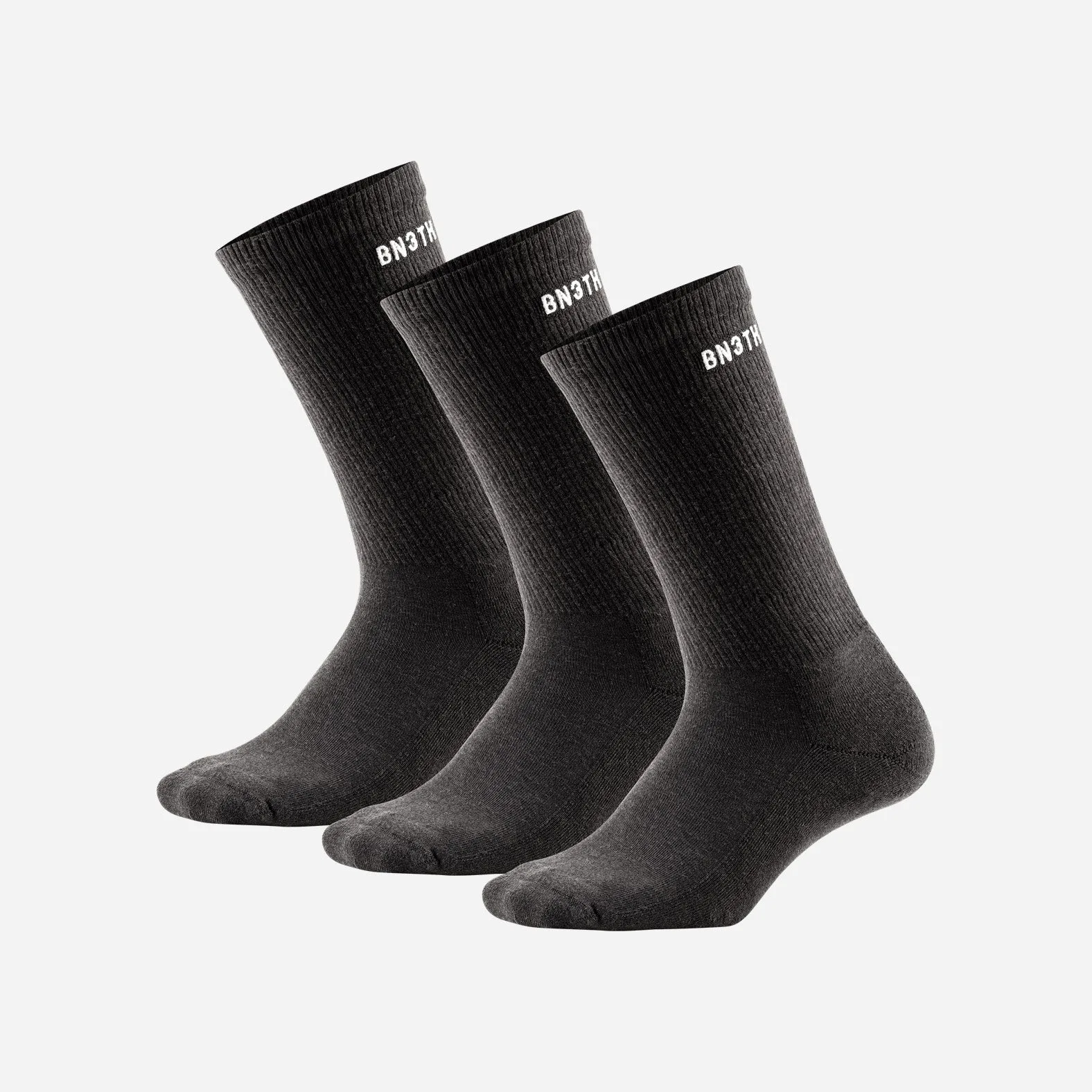
- https://bn3thdxzy.com/products/classic-crew-sock-black-3-pack-a12f807cc0dc380a89c395d6-989141Classic Crew Sock: Black 3 Pack: These naturally-breathable Classic Crew Socks are blended with sustainable TENCEL™ Lyocell fibers and cotton to provide cloud-like comfort for long days on your feet. The plush bottoms absorb excess moisture and ensure a snug, secure fit. While containing cotton, the TENCEL™ Lyocell fibers help wick moisture better than pure cotton, making this a comfortable option for casual runs or everyday wear.
By following these steps and choosing the right socks and shoes, you can significantly reduce your risk of developing blisters. Remember, prevention is key, and paying attention to your feet's needs will keep you running comfortably.