Glasslock oven safe containers are a versatile addition to any kitchen, allowing you to store, bake, and reheat food all in one dish. Whether you’re warming up leftovers or prepping meals for the week, knowing how to reheat food properly in these glass containers ensures safety and preserves flavor. In this guide, we’ll cover the best practices for reheating in the microwave and conventional oven, plus tips to avoid common pitfalls like thermal shock.
Glasslock containers are made from tempered borosilicate glass, designed to withstand high temperatures. However, even the toughest glass can break if handled incorrectly. By following these simple steps, you can enjoy the convenience of reheating directly in your Glasslock containers without worry.
Why Glasslock Containers Are Ideal for Reheating
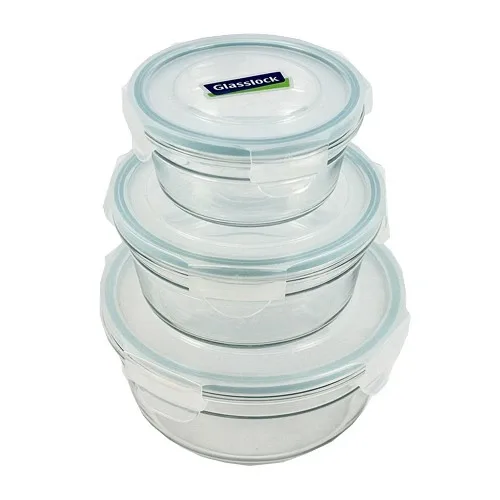
Glasslock containers are oven safe up to 450°F (232°C) and microwave safe, making them perfect for reheating a wide range of foods. Unlike plastic containers, glass doesn’t leach chemicals into your food when heated, and it heats more evenly, reducing cold spots. The tight-sealing lids (like the Round Lids) are BPA-free and can be used for storage, but they should be removed before reheating to allow steam to escape.
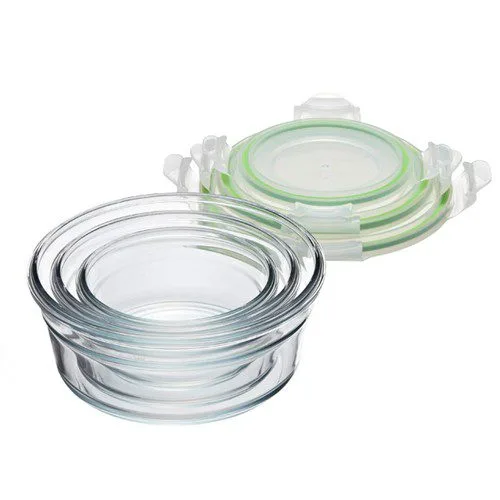
Round Lids
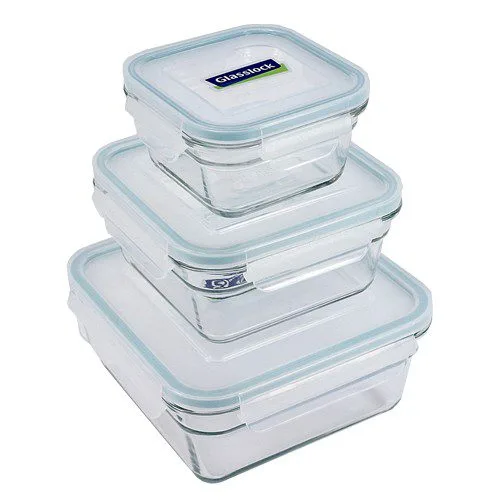
Whether you’re using the Glasslock Oven Safe Round 6pc set or the Glasslock Oven Safe Square 6pc set, the tempered glass construction ensures durability. These containers transition seamlessly from freezer to oven, saving you time on cleanup and reducing waste.
- Glasslock containers are made from tempered borosilicate glass for thermal resistance.
- They are safe for microwave, oven, freezer, and dishwasher use.
- Remove lids before reheating to prevent pressure buildup.
How to Reheat Food in the Microwave Using Glasslock
Reheating in the microwave is quick and convenient. Start by removing the lid and placing the Glasslock container in the microwave. Use medium power (50-70%) to heat food evenly without overheating the glass. Stir halfway through to distribute heat, especially for dense dishes like casseroles or stews. Avoid using metal utensils or aluminum foil inside the microwave.
For best results, cover the container with a microwave-safe plate or a paper towel to reduce splatter. The Glasslock Oven Safe Square 1.5 cups is ideal for single servings, while larger containers like the Glasslock Oven Safe Round 5.4 cups work well for family-sized portions. Always check that the container is microwave-safe (look for the microwave symbol on the bottom).
- Always remove the lid before microwaving.
- Use medium power and stir food halfway through.
- Avoid sudden temperature changes: do not transfer from freezer directly to microwave.
How to Reheat Food in the Oven with Glasslock
The oven is perfect for reheating foods that need to stay crispy, such as pizza, roasted vegetables, or baked pasta. Preheat your oven to 350°F (175°C) and place the Glasslock container on a baking sheet for stability. Never place a cold glass container directly into a hot oven; let it come to room temperature for 10-15 minutes first to prevent thermal shock.
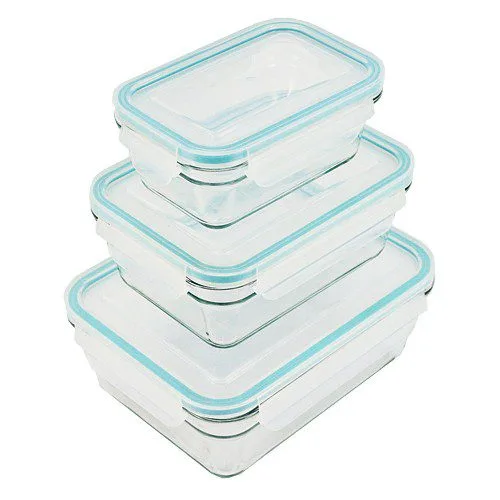
Glasslock containers like the Glasslock Oven Safe Rectangle 3.5 cups or the Glasslock Oven Safe Round 5.4 cups are excellent for oven reheating. Cover the dish with foil to retain moisture, but ensure the foil doesn’t touch the glass sides. Heat for 15-20 minutes, checking frequently. The tempered glass can handle oven temperatures up to 450°F, but avoid broiling or direct contact with heating elements.
- Preheat the oven before placing the container inside.
- Allow cold containers to warm to room temperature before heating.
- Use a baking sheet for even heat distribution.
Tips to Avoid Thermal Shock and Breakage
Thermal shock is the most common cause of glass breakage during reheating. It occurs when the glass experiences rapid temperature changes. To prevent this, always follow these guidelines: avoid placing a frozen Glasslock container directly into a hot oven or microwave; instead, thaw in the refrigerator first. Similarly, do not plunge a hot container into cold water or place it on a wet surface.
When reheating, start with a lower temperature and gradually increase if needed. Use potholders to handle hot containers, and set them on a dry, room-temperature surface like a wooden cutting board or trivet. The Glasslock Oven Safe Rectangle 6pc set includes various sizes that are easy to handle, but always check for cracks or chips before use.
- Never go from freezer to oven or microwave directly.
- Avoid placing hot glass on cold or wet surfaces.
- Inspect containers for damage before each use.
Cleaning and Maintaining Your Glasslock Containers
After reheating, let the container cool before washing. Glasslock containers are dishwasher safe, but hand washing with mild detergent and a soft sponge can extend their lifespan. Avoid abrasive scrubbers that could scratch the glass. Stubborn food residue can be loosened by soaking in warm, soapy water.
For lids, wash them separately and avoid high heat in the dishwasher to preserve the seal. The Round Lids are designed for a snug fit, but over time, they may need replacement. Store containers with lids off or slightly ajar to prevent odors.
- Cool containers before washing to prevent thermal shock.
- Hand wash lids to maintain elasticity.
- Store with lids off to allow airflow.
Reheating food in Glasslock oven safe containers is safe, convenient, and eco-friendly. By following these tips—removing lids, avoiding thermal shock, and using appropriate heat settings—you can enjoy perfectly reheated meals every time. Ready to upgrade your kitchen? Explore the Glasslock Oven Safe Round 6pc set for a versatile collection that handles storage, baking, and reheating with ease.