Quick answer
For a whole loaf, reheat it wrapped in foil at 300°F (150°C) for 12–18 minutes. For a single slice, microwave it for 10–15 seconds, then finish in a toaster oven for 2–3 minutes to bring back the crust. The foil holds in steam so the crumb stays soft while the chocolate softens again.
Babka is at its best the day it is baked, but a good loaf can come back to life with the right heat. The trick is gentle, covered warmth: too much dry heat turns the crumb into toast, and too little leaves the chocolate cold and chalky.
These steps cover the whole journey, from how to reheat babka to serving chocolate babka at the table, plus babka storage and a stale babka fix if you find a slice that has been sitting out.
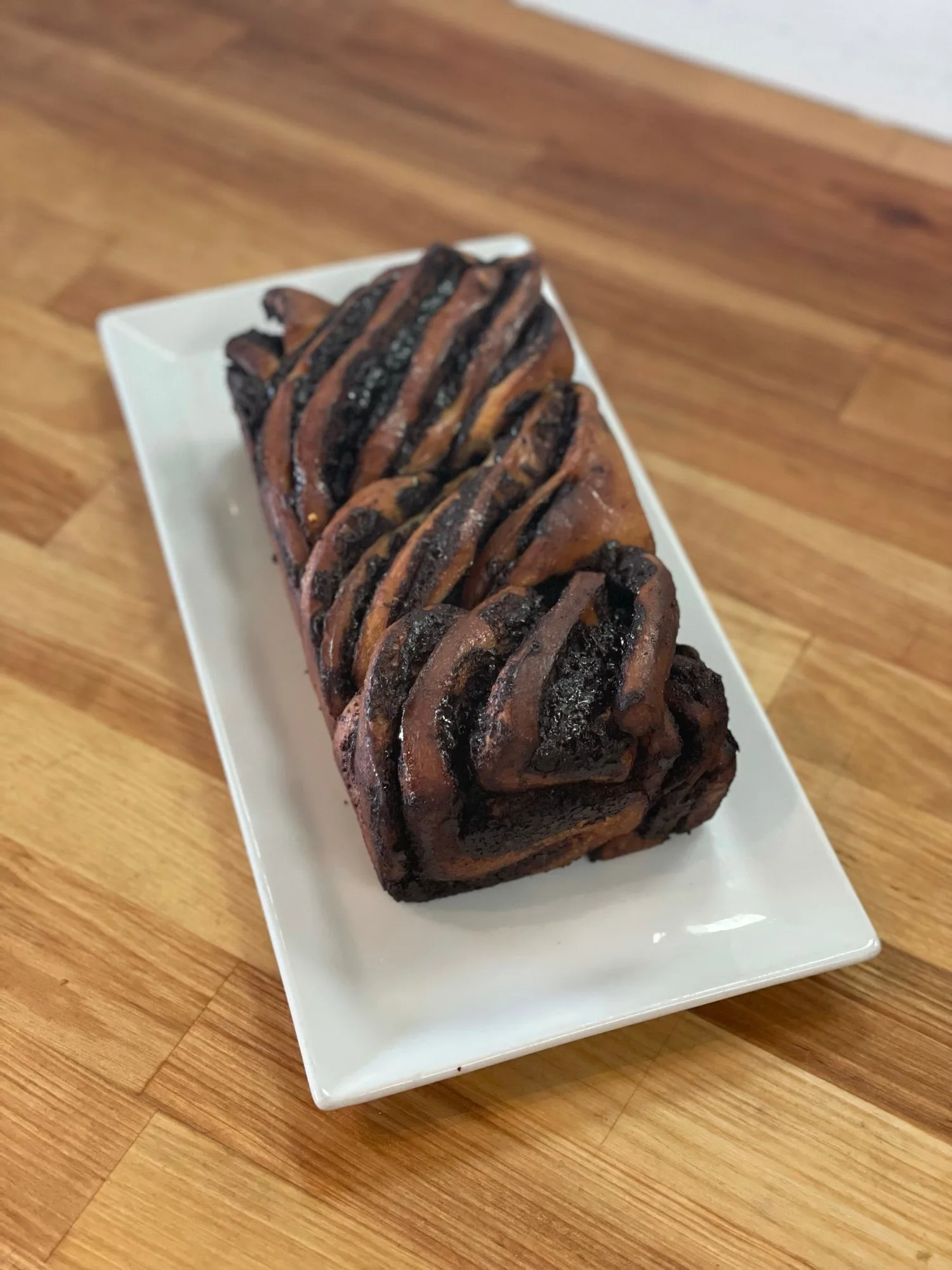
chocolate babka
Pick the right method for the size you have
A whole loaf and a single slice need different treatment. A whole babka has enough mass to reheat slowly in a low oven without drying out, while a single slice will overcook in the time it takes the center to warm. Match the method to the portion so you are not guessing.
If you are reheating for a crowd, keep the loaf whole and slice at the table. Slices cool fast and dry at the cut edges, so a whole loaf holds heat and moisture longer than a plate of pre-cut pieces.
- Whole loaf: 300°F (150°C), wrapped in foil, 12–18 minutes.
- Single slice: microwave 10–15 seconds, then toaster oven 2–3 minutes.
- Multiple slices: reheat wrapped in foil, then uncover for the last 3 minutes.
Reheat with steam, not direct dry heat
The fastest way to dry out babka is to put it uncovered in a hot oven. Wrapping the loaf in foil traps the moisture that escapes from the dough, so the outside stays soft instead of forming a crust. Leave a small vent at the top so steam can escape slowly rather than building up and making the bottom soggy.
For slices, a microwave alone can make the dough rubbery. A short microwave burst warms the center, then a quick pass in a toaster oven or dry skillet crisps the edges back up. That two-step method gives you soft crumb and a slightly crisp finish.
- Wrap loosely; a tight seal traps too much steam and softens the crust.
- If the chocolate is still firm, give it another 3–4 minutes covered.
- Never reheat above 325°F (160°C) or the sugar in the filling can burn.
Store it so it is still good tomorrow
Babka storage is where most loaves are lost. A cut loaf left open on the counter dries within hours, but a loaf sealed in plastic while still warm will sweat and turn gummy. Let it cool completely, then wrap it tightly in plastic wrap and keep it at room temperature for up to two days.
For longer storage, freeze slices rather than the whole loaf. Wrap each slice individually, then reheat straight from frozen using the covered method with a few extra minutes. That way you only thaw what you plan to eat.
- Room temperature: up to 2 days, tightly wrapped.
- Freezer: up to 1 month, sliced and individually wrapped.
- Skip the fridge; cold air stales the crumb faster than freezing.
Fix a stale slice without ruining it
A stale babka fix starts with moisture, not more heat. Sprinkle a few drops of water on the cut face, wrap the slice in a damp paper towel, and microwave in 10-second bursts until it is soft. The water turns to steam inside the wrap and rehydrates the crumb.
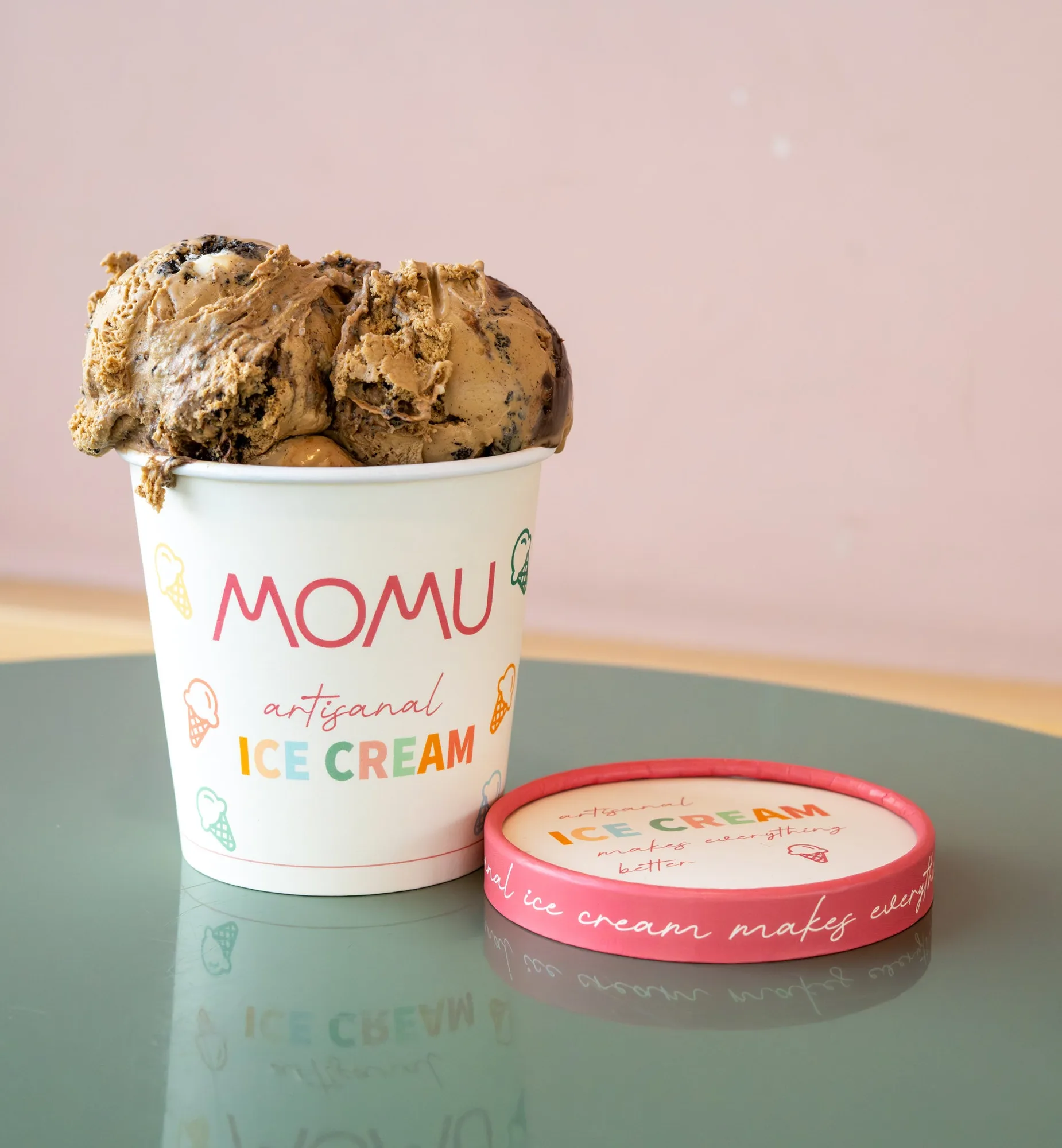
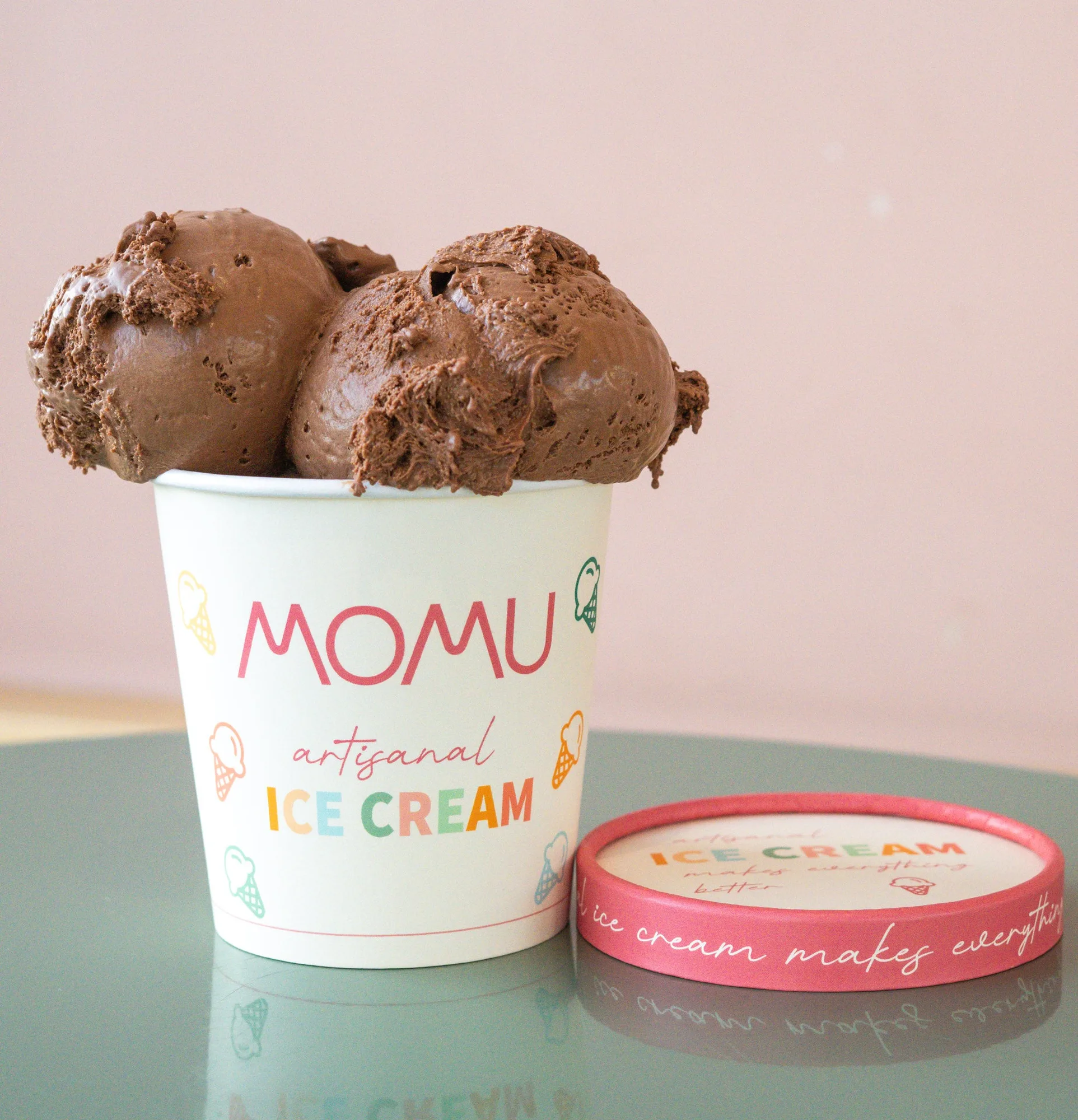
If the slice is very dry, brush it with a little melted butter or warm it with a scoop of ice cream so the contrast covers the texture. For a dessert pairing that needs no reheating at all, a pint of Chocolate Ice Cream or Mud Ice Cream from Kneads • Bakery • Café • Mill softens a dry slice without any oven time.
- Damp paper towel plus short bursts beats a long microwave run.
- Add fat or a cold topping to mask a crumb that is past saving.
- If it crumbles when sliced, it is too dry to reheat; use it for bread pudding.
Step-by-step: reheat babka without drying it out
- Step 1: Bring the babka to room temperature: Leave the wrapped loaf on the counter for 30–45 minutes before reheating. Cold dough takes longer to warm through, which means more time in the oven and more moisture lost. Checkpoint: the loaf should feel cool but not cold to the touch.
- Step 2: Preheat to 300°F (150°C): A lower oven gives the center time to warm before the outside sets. If your oven runs hot, drop to 290°F (145°C). Mistake to avoid: reheating at 350°F or higher, which dries the crumb before the chocolate melts.
- Step 3: Wrap the loaf in foil with a small vent: Tent the foil loosely over the top and leave a half-inch opening. This traps steam near the crumb while letting excess moisture escape. Checkpoint: the foil should not press into the chocolate swirl.
- Step 4: Heat for 12–18 minutes: Start checking at 12 minutes. The loaf is ready when the center gives slightly under light pressure and the chocolate looks glossy at the cut edge. Mistake to avoid: walking away; babka goes from warm to dry in a few minutes.
- Step 5: Uncover for the last 2–3 minutes: Open the foil and let the crust firm up slightly. This restores the contrast between the soft inside and the glazed top. Checkpoint: the top should look set, not wet.
- Step 6: Rest 5 minutes before slicing: Cutting too soon lets steam escape and leaves the slices gummy. A short rest lets the crumb settle and the filling thicken. Next step: serve warm with a scoop of Chocolate Ice Cream or Mud Ice Cream.
Products that pair well with reheated babka
- Chocolate Ice Cream: Chocolate Ice Cream comes in a 1 pint container and is listed among Christmas desserts, ice cream, and Thanksgiving dessert tags. A cold scoop next to a warm slice gives you the temperature contrast that makes reheated babka feel fresh again.
- Mud Ice Cream: Mud Ice Cream is a pint-sized frozen dessert listed among Christmas desserts, ice cream, and Thanksgiving dessert options. A second pint option lets you match the intensity of the chocolate filling without reheating a second loaf.
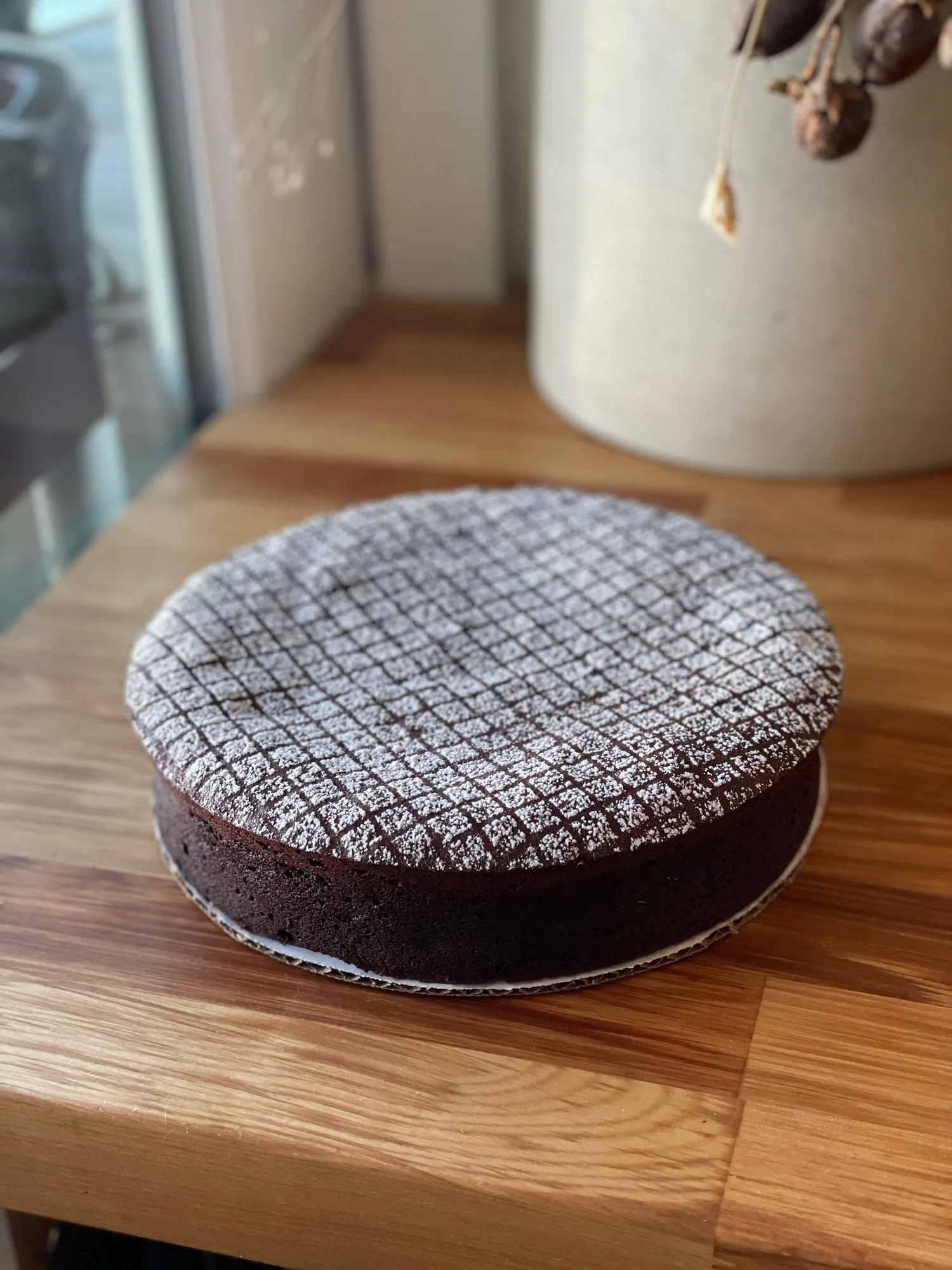
- Flourless Chocolate Cake 8 inch (GF): Flourless Chocolate Cake is an 8 inch truffle-style cake made with 70% Republica de Cacao chocolate and labeled gluten-free. If your gathering includes gluten-free guests, this cake sits alongside babka on the same dessert table without extra work.
Reheating babka is mostly about patience: low heat, a foil tent, and a short rest. Do that and a day-old loaf tastes close to fresh, especially with a cold scoop of ice cream alongside.