Quick Answer
To season cast iron cookware for nonstick results, apply a thin layer of oil and bake it at a high temperature to create a polymerized coating. Repeat this process several times for the best durability.
Why Seasoning Matters for Nonstick Performance
Seasoning isn't just about preventing rust—it creates a natural, nonstick surface that improves with use. The oil bonds to the iron through polymerization, forming a slick coating that releases food easily. Without proper seasoning, even high-quality cast iron will stick and require more oil to cook.
The process takes patience, but each layer builds on the last. A well-seasoned pan can handle eggs, fish, and delicate foods without fuss, and it only gets better over time.
Choosing the Right Oil for Seasoning
Not all oils work equally well. You need an oil with a high smoke point, like flaxseed, grapeseed, or vegetable oil. Oils with low smoke points (like butter or olive oil) burn before they polymerize, leaving a sticky, uneven coating. Flaxseed oil creates a hard, durable layer but can flake over time; grapeseed is a reliable all-rounder.
How to Season Cast Iron Cookware: Step-by-Step
- Clean and Dry the Pan Thoroughly: Wash the pan with warm water and a stiff brush. Use a small amount of mild soap only if needed—modern seasoning can handle it. Dry completely with a towel, then place on low heat for a few minutes to evaporate any remaining moisture. Any water left on the pan will cause rust spots under the seasoning layer.
- Apply a Thin Layer of Oil: Pour a small amount of high-smoke-point oil onto the pan. Use a lint-free cloth or paper towel to spread it in a thin, even coat over the entire surface, including the handle and exterior. Then wipe it off as if you made a mistake—the layer should be almost invisible. Too much oil creates a sticky, uneven finish. Less is always more.
- Bake the Pan Upside Down: Place the pan upside down on the middle rack of a cold oven. Put a baking sheet or foil on the lower rack to catch any drips. Set the oven to 450–500°F (232–260°C) and bake for one hour. Baking upside down prevents oil from pooling in the pan, which would cause sticky spots.
- Cool and Repeat: Turn off the oven and let the pan cool completely inside. For a durable nonstick surface, repeat the oil-and-bake process 3–4 times. Each layer bonds to the previous one, building a stronger coating. Skipping layers results in a thinner seasoning that wears off faster.
- Maintain Between Uses: After cooking, clean the pan with hot water and a soft scrub brush. Dry immediately and apply a tiny dab of oil with a paper towel. Store in a dry place. If food starts sticking, add another oven-seasoning layer. Never soak cast iron or put it in the dishwasher—that strips the seasoning.
Product Fact
-
Dinner at Our Place: Dinner at Our Place is a cookbook by Shiza Shahid & Friends of Our Place, offering a curated collection of recipes and stories from the Our Place community. Once your cast iron is seasoned, this cookbook provides recipes designed to inspire home cooking and make the most of your nonstick surface.
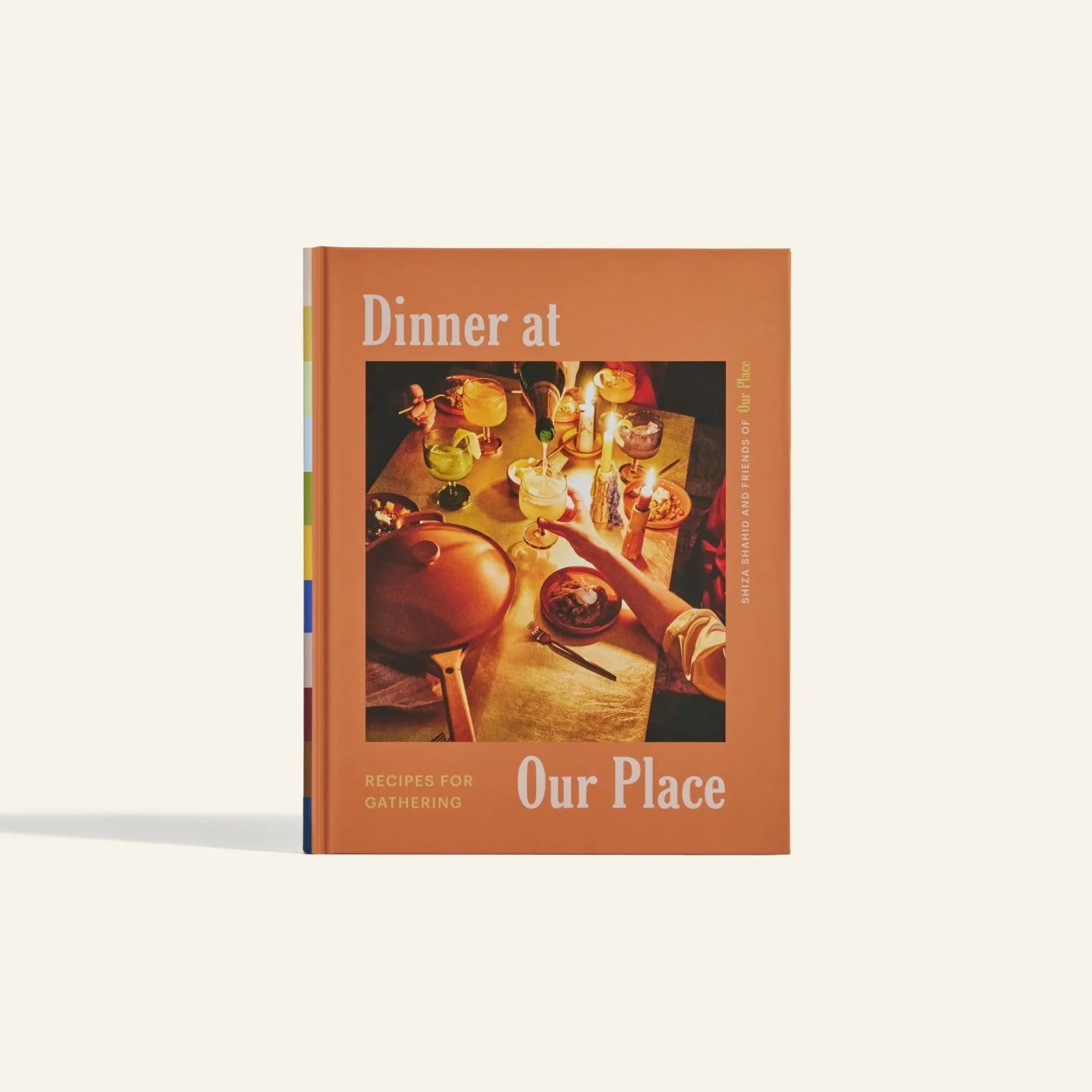
Dinner at Our Place