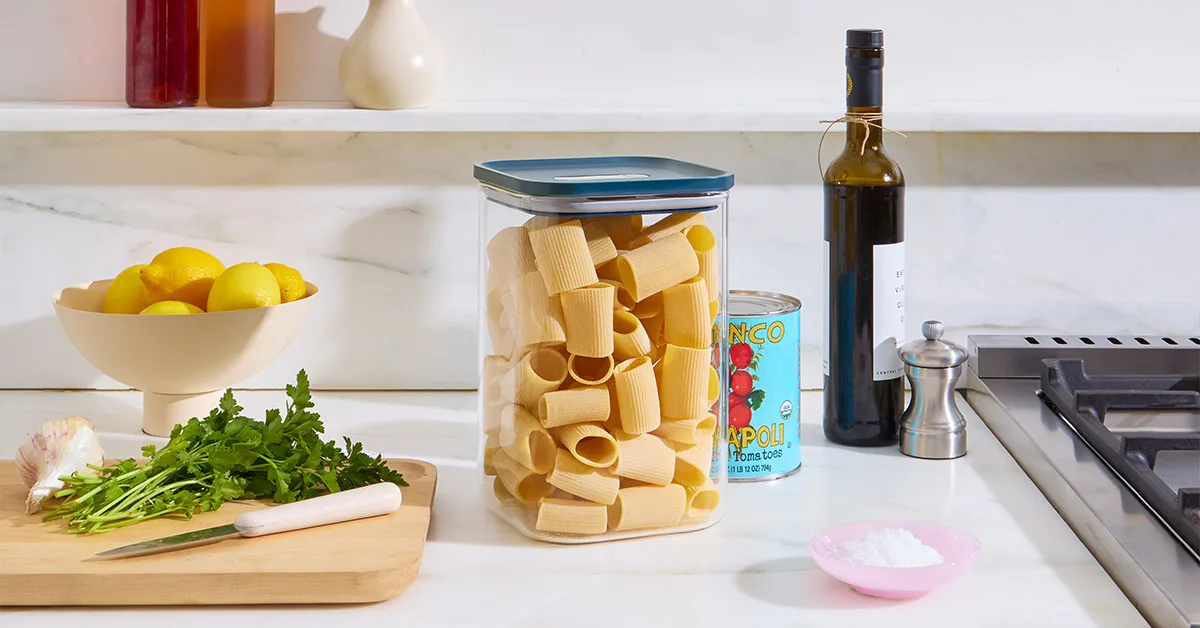
Ceramic nonstick pans are beloved for their slick, easy-to-clean surfaces and eco-friendly materials. Over time, however, even the best ceramic coating can lose its nonstick prowess. Before you reach for a new pan, try seasoning it—a simple process that can restore performance and extend the life of your cookware. In this guide, we’ll walk you through how to season a ceramic nonstick pan, with tips tailored for Caraway cookware.
Seasoning isn’t just for cast iron. Ceramic pans benefit from a light oil treatment that fills microscopic pores in the coating, creating a smoother surface. This helps prevent food from sticking and makes cleanup a breeze. Whether you’re using a frying pan or a saucepan, these steps will keep your pans in top shape.
Why Season a Ceramic Nonstick Pan?
Ceramic nonstick pans are made from a sol-gel coating that is baked onto the pan. This coating is naturally nonstick, but it can degrade with high heat, abrasive cleaners, or metal utensils. Seasoning adds a thin layer of oil that bonds to the ceramic, filling tiny imperfections and creating a slick barrier. This not only improves nonstick performance but also protects the coating from wear.
Regular seasoning can double the lifespan of your ceramic cookware. It’s especially useful if you notice eggs or pancakes starting to stick. For Caraway fans, seasoning is a gentle, chemical-free way to maintain that factory-fresh feel. Plus, it’s easy to do with ingredients you already have in your kitchen.
- Restores nonstick properties without harsh chemicals
- Protects the ceramic coating from scratches and wear
- Enhances cooking performance for delicate foods like eggs and fish
What You’ll Need
To season your ceramic nonstick pan, gather a few simple items: a mild dish soap, a soft sponge, a clean dish towel, and a high-smoke-point oil such as avocado, grapeseed, or vegetable oil. Avoid olive oil or butter, as they can burn and leave residue. You’ll also need your stovetop and a moment of patience.
If you have a Caraway pan, you’re in luck—their ceramic coating is designed to be low-maintenance. The same care applies to their Cookware, Cookware+ & Minis Duo Set and other pieces. Always use wooden or silicone utensils to preserve the coating.
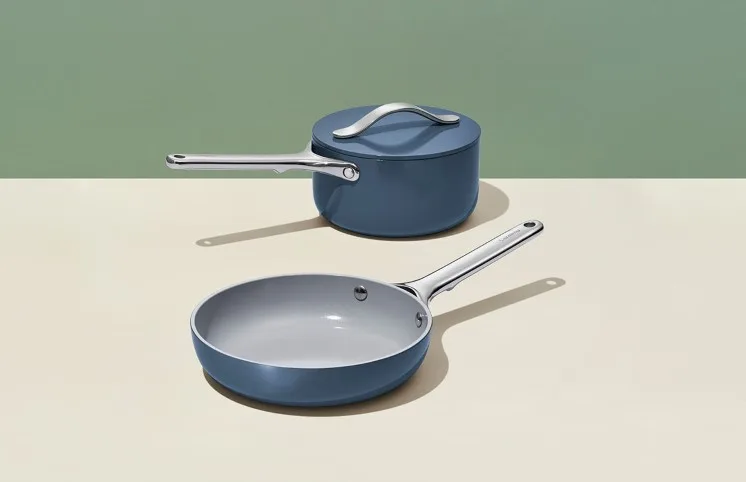
Minis Duo
Step-by-Step Seasoning Process
Start by washing your pan with warm, soapy water and a soft sponge. Rinse thoroughly and dry completely. This removes any grease or residue that could interfere with seasoning. Place the pan on the stovetop over medium-low heat. Let it warm up for about a minute—don’t let it get too hot, as extreme heat can damage the ceramic coating.
Once warm, add about one teaspoon of your chosen oil. Use a paper towel or soft cloth to spread the oil in a thin, even layer across the entire cooking surface, including the sides. Let the pan heat for another 2-3 minutes. You’ll see the oil start to shimmer. Remove the pan from the heat and let it cool completely. Wipe away any excess oil with a clean paper towel. Your pan is now seasoned and ready to use.
- Always use low to medium heat to protect the ceramic coating
- Apply oil sparingly—too much can create a sticky residue
- Repeat every few months or when food starts to stick
Caring for Your Seasoned Pan
After seasoning, proper care will keep your pan performing well. Always let the pan cool before washing to avoid thermal shock. Use only soft sponges and mild detergents—avoid steel wool or abrasive pads. For stubborn bits, soak the pan in warm, soapy water. Avoid cooking sprays, as they contain lecithin that can build up and gum the surface.
Store your pans with a protective layer, like a soft cloth or paper towel, between stacked pieces. Caraway’s Knife Set and other tools are great companions for your cookware. With consistent care, your ceramic nonstick pan will stay slick for years.
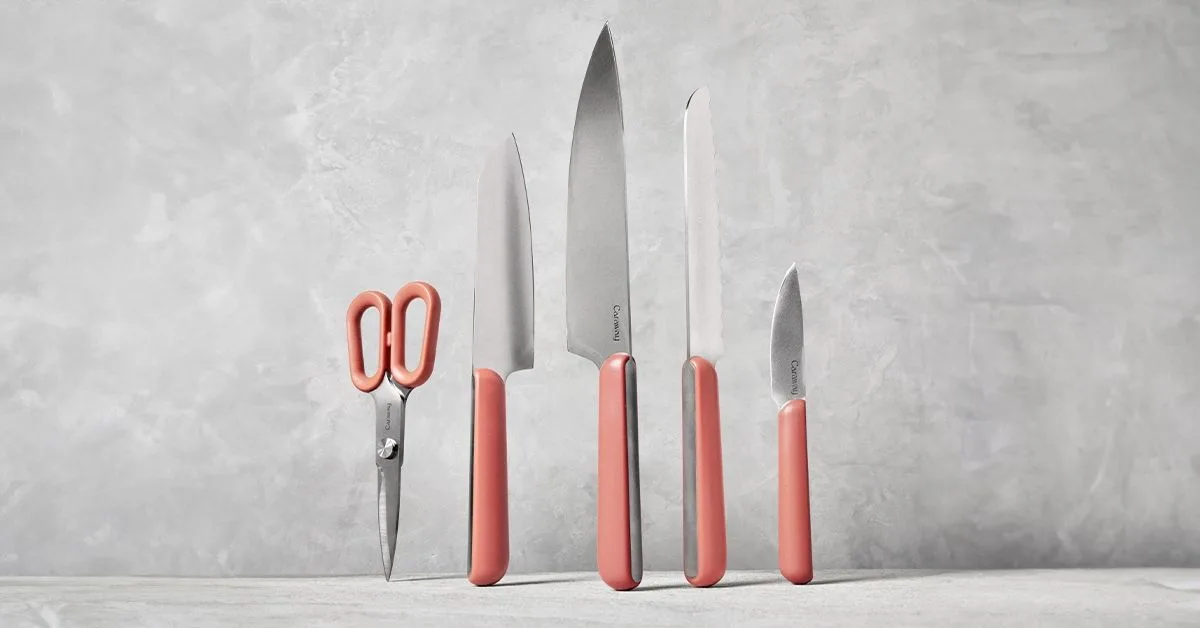
Knife Set
- Use wooden or silicone utensils to prevent scratches
- Never use high heat—ceramic performs best at medium or lower
- Hand wash recommended; dishwasher can dull the coating over time
When to Reseason
You’ll know it’s time to reseason when food starts sticking in the center or you see water beading unevenly on the surface. For most home cooks, seasoning every 2-3 months is sufficient. If you cook acidic foods like tomatoes frequently, you may need to season more often, as acid can break down the oil layer.
If your pan develops scratches or the coating peels, it’s time to replace it. Ceramic pans are not meant to last forever, but proper seasoning can maximize their lifespan. Caraway offers durable options like the Glass Airtight Container Trio for food storage, keeping your kitchen organized.
Seasoning your ceramic nonstick pan is a quick, effective way to restore its nonstick magic and protect your investment. By following these simple steps and caring for your cookware properly, you’ll enjoy effortless cooking and easy cleanup for years. Ready to upgrade your kitchen? Explore the Cookware, Cookware+ & Minis Duo Set from Caraway for a complete set of high-performance ceramic pans.