Quick Answer
Serve Amarone at 60-65°F with 1-2 hours of decanting, and Valpolicella Ripasso at 62-65°F with 30-60 minutes of air. Pair both with rich meats and aged cheeses.
Why Serving Temperature Matters for These Italian Reds
Amarone and Valpolicella Ripasso are both made from dried Corvina grapes, but their styles differ significantly. Amarone is full-bodied and concentrated, while Ripasso is lighter and fruitier. Serving them at the right temperature unlocks their best aromas and avoids masking their complexity.
A common mistake is serving these wines too warm (above 68°F) or too cold (below 55°F). Too warm and the alcohol becomes harsh; too cold and the fruit flavors flatten. Aim for a slightly cooler than room temperature range for both.
Decanting: When and How Long
Amarone benefits from extended decanting due to its tannic structure and sediment. Valpolicella Ripasso, while softer, still gains from a shorter decant to open up its cherry and spice notes.
A common oversight is skipping decanting entirely for Ripasso. Even 30 minutes of air can soften its tannins and integrate its flavors.
Steps to Serve Amarone and Valpolicella Ripasso
- Chill to the Right Temperature: For Amarone, place the bottle in a wine fridge or cool cellar (60-65°F) for 30 minutes before serving. For Valpolicella Ripasso, aim for 62-65°F. If the wine is too warm, a 15-minute stint in the fridge helps. A common mistake is serving Amarone at room temperature above 70°F, which makes the alcohol taste hot.
- Decant Amarone for 1-2 Hours: Open the Amarone and pour it into a decanter, leaving any sediment in the bottle. Let it breathe for 1-2 hours. For Valpolicella Ripasso, decant for 30-60 minutes to soften its tannins and release its fruit aromas. Skipping decanting for Amarone can leave it tight and tannic; for Ripasso, even 30 minutes makes a noticeable difference.
- Choose the Right Glassware: Use a large-bowled red wine glass (like a Bordeaux or Burgundy stem) for both wines. The wide bowl concentrates the aromas and allows the wine to breathe. Avoid small glasses that restrict the bouquet. A common error is using a standard white wine glass, which limits the wine's aromatic expression.
- Pair with Complementary Foods: Amarone pairs well with braised meats, game, aged Parmesan, and dark chocolate. Valpolicella Ripasso is more versatile: try it with roasted chicken, pasta with meat sauce, or semi-aged cheeses like Gouda. Avoid pairing either wine with delicate fish or light salads, as the tannins and alcohol will overpower them.
Wine Recommendations
-
Zenato Amarone Classico: Zenato Amarone Classico is a red wine with tasting notes of dried black cherry, cassis, truffle, chocolate fudge and a lingering finish. It is silky and lush. This wine's complexity benefits from decanting and a slightly cooler serving temperature to balance its richness and alcohol.

Zenato Amarone Classico
-
Zenato Valpolicella Ripasso Superiore: Zenato Valpolicella Ripasso Superiore is made by re-fermenting Valpolicella wine on Amarone grape skins, adding body, structure, and complexity. It has flavors of plumped cherry, anise, orange peel, and hints of chocolate and spice. Its creamy tannins and layered fruit make it a versatile pairing wine that opens up with just 30 minutes of air.
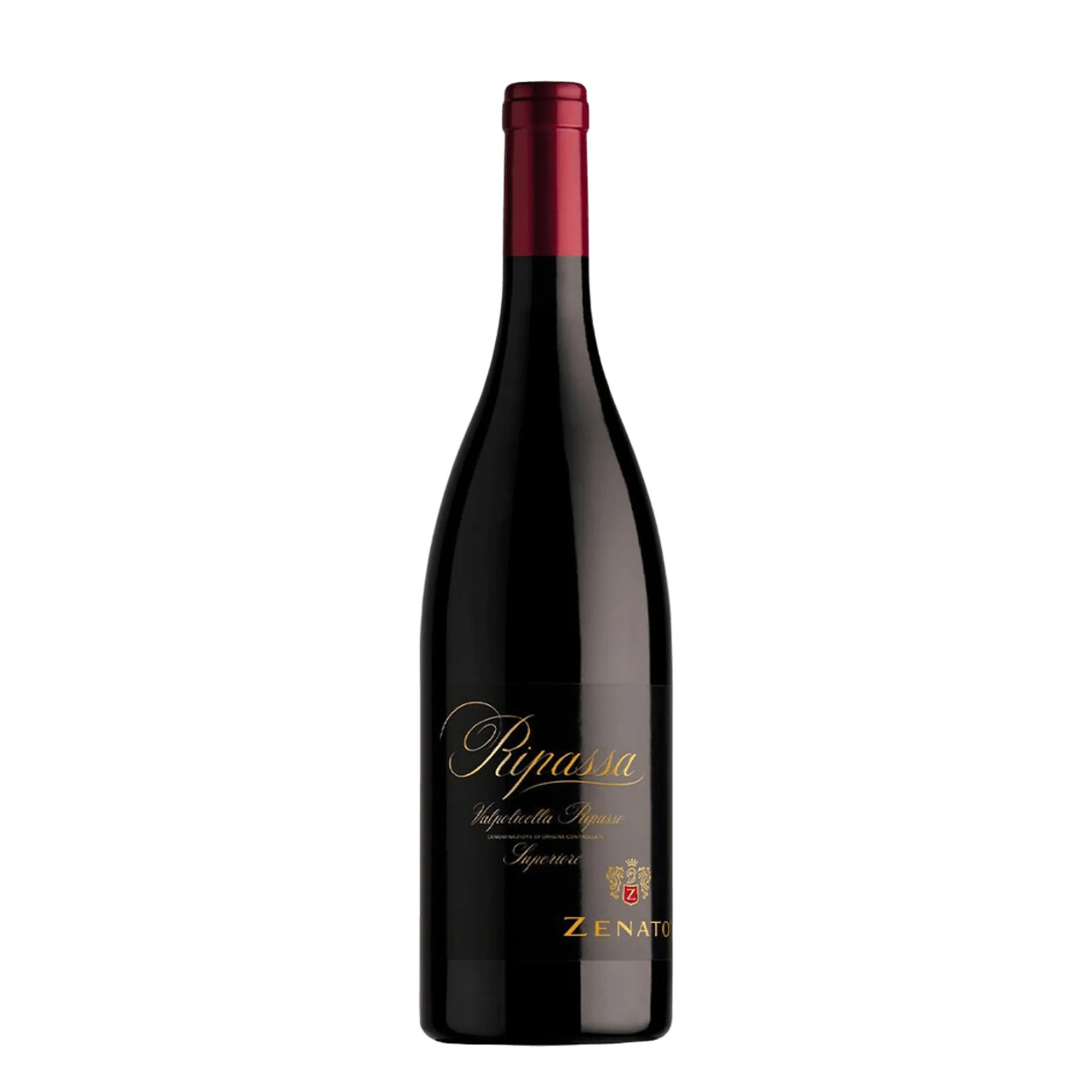
Zenato Valpolicella Ripasso Superiore